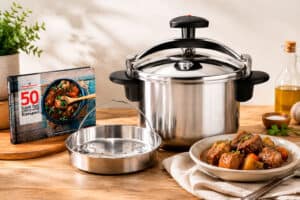
9 Delicious & Fast Meals in a Pressure Cooker for Busy Nights
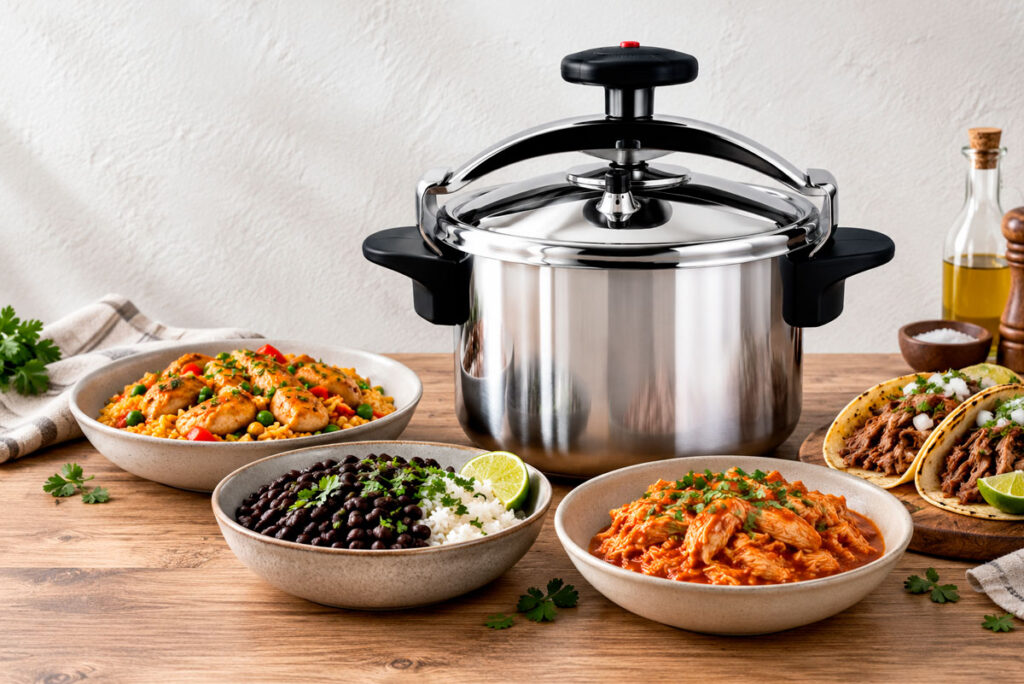
9 Fast Meals in a Pressure Cooker for Busy Nights
A stovetop pressure cooker can turn chicken, rice, lentils, and even tougher cuts of meat into satisfying dinners in much less time than conventional cooking. For busy weeknights, the best pressure cooker meals combine simple ingredients, minimal preparation, and the convenience of cooking in one pot.
These nine dinner ideas range from quick soups and chicken dishes to hearty stews and make-ahead favorites. Each takes advantage of pressure cooking in a different way, with practical tips for getting the texture and flavor right.
Fast Pressure Cooker Meals for Busy Weeknights
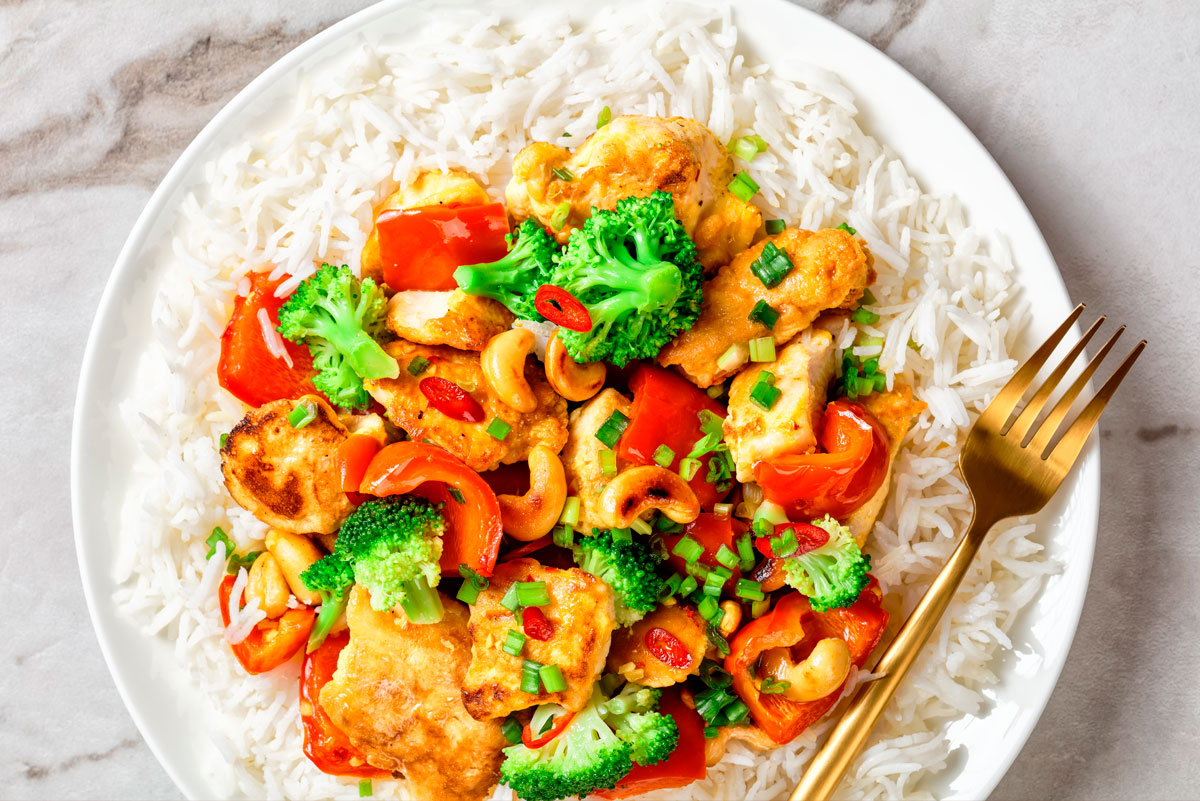
1. Chicken and Rice with Vegetables
Best for: A complete family dinner in one pot.
Chicken and rice is a natural choice for pressure cooking because the grains absorb the seasoned broth while the chicken cooks.
Start by sautéing diced onion and garlic in a little olive oil. Add bite-sized chicken pieces, rice, broth, and seasonings such as paprika, oregano, and black pepper. Close the cooker and cook according to a tested chicken-and-rice recipe for your pressure cooker model.
Chicken thighs are particularly forgiving because they stay moist during cooking. For firmer vegetables, add peas, spinach, or diced zucchini after releasing the pressure and let them finish cooking in the hot pot.
For a similar preparation with specific cooking times, try Magefesa’s Chicken Soup with Rice and Vegetables.
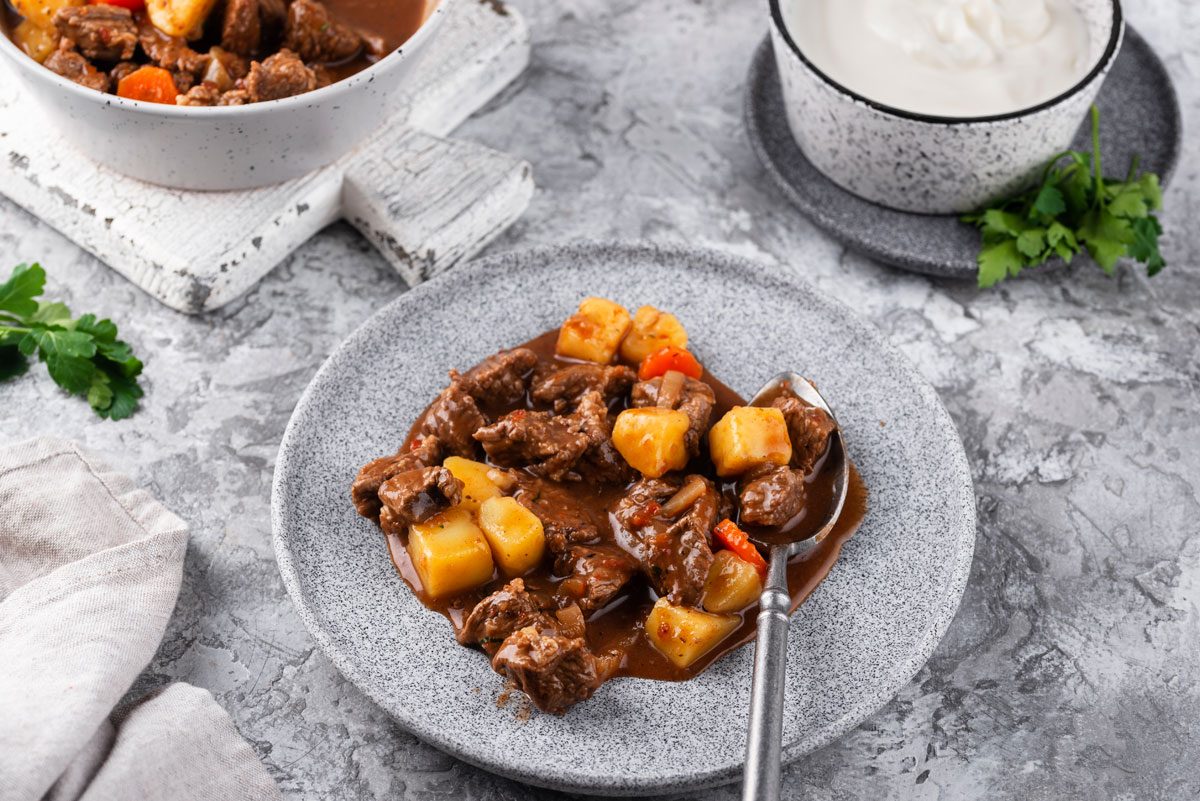
2. Weeknight Beef Stew
Best for: A hearty dinner without hours of simmering.
Beef stew is one of the dishes that benefits most from pressure cooking. Cuts that normally need prolonged braising can become tender much faster under pressure.
Brown beef cubes in batches directly in the open pressure cooker. Add onion, garlic, tomato paste, broth, and herbs, scraping up the browned bits from the bottom of the pot.
Cook the beef under pressure until tender, following the timing recommended for your cut and cooker model. If you prefer potatoes and carrots that hold their shape, add them afterward and finish cooking until tender.
For a thicker sauce, simmer the stew uncovered once the pressure has been completely released.
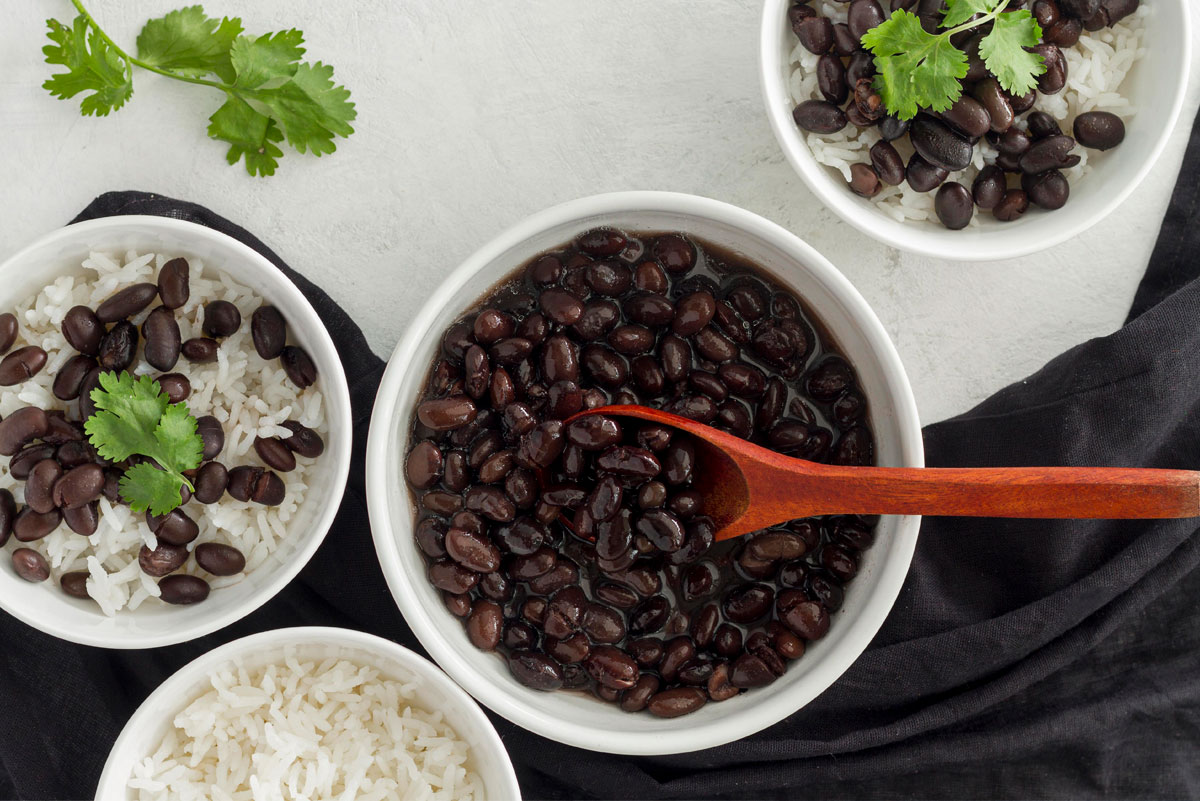
3. Black Beans for Tacos and Rice Bowls
Best for: Meal preparation and versatile leftovers.
Dried black beans are inexpensive, nutritious, and convenient to keep in the pantry. Pressure cooking considerably reduces their cooking time compared with traditional stovetop simmering.
Combine rinsed beans with water or broth, onion, garlic, cumin, and bay leaf. Follow the appropriate liquid quantities, fill limits, and cooking instructions for dried legumes in your pressure cooker.
Cooking time depends on whether the beans have been soaked, their age, and the cooker model. Allow additional time for pressure release before opening.
Serve the cooked beans with rice, tortillas, avocado, or roasted vegetables. Refrigerate or freeze extra portions for another meal.
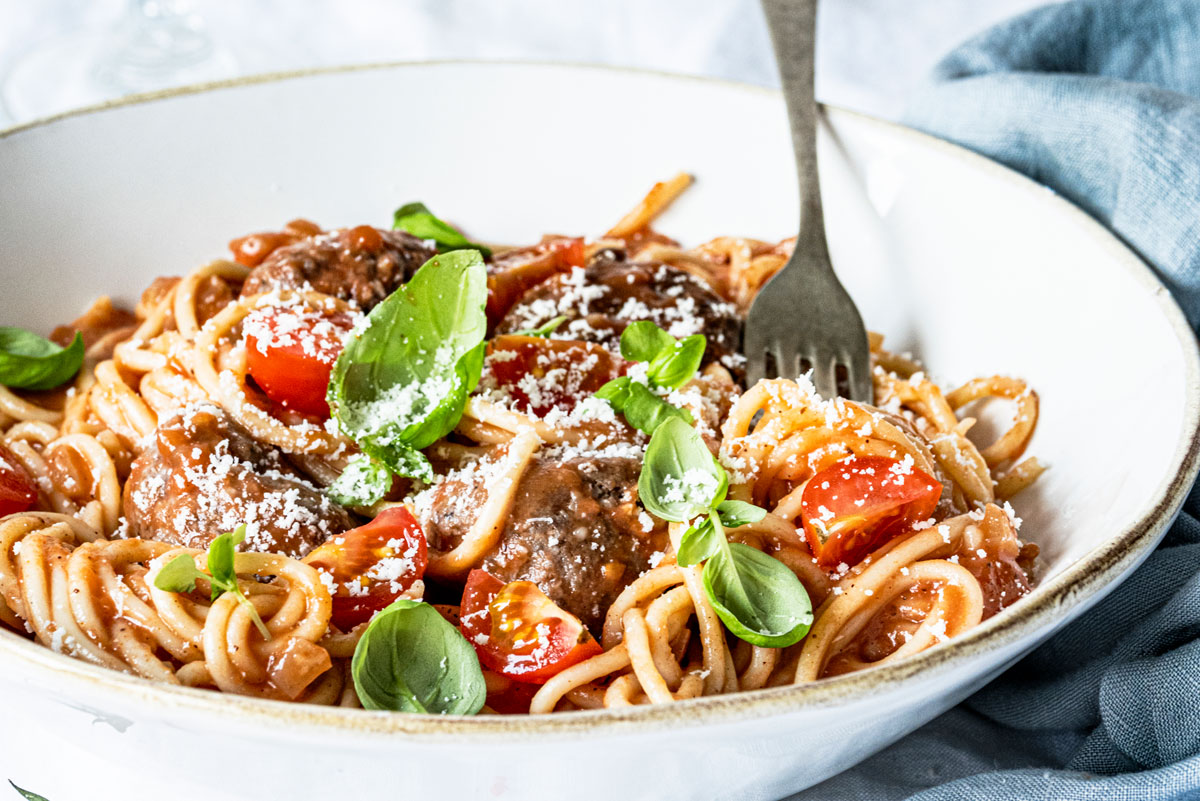
4. Tomato Basil Pasta
Best for: A simple dinner with minimal cleanup.
Short pasta can be cooked in a pressure cooker, but it requires more precision than soups or stews. Too much liquid produces a watery sauce, while excessive cooking can leave the pasta soft.
For a tomato-based version, combine sturdy pasta shapes such as penne or rotini with garlic, crushed tomatoes, Italian herbs, and the amount of thin cooking liquid specified in a tested pressure cooker pasta recipe.
Use the cooking time and pressure-release method recommended for that recipe and your cooker model. After opening, stir in fresh basil, grated Parmesan, or spinach.
If you do not have a tested pressure cooker pasta recipe, a conventional saucepan is the more reliable option.
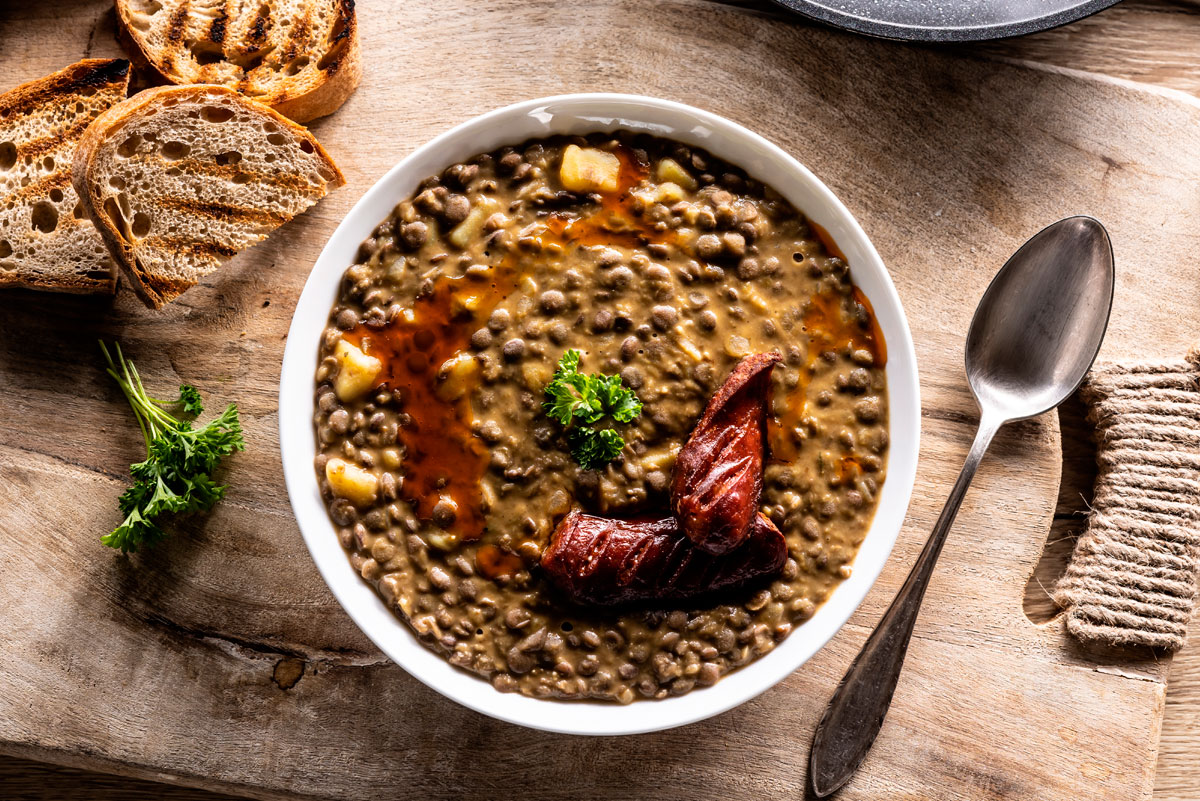
5. Lentil Soup with Sausage or Vegetables
Best for: A filling pantry dinner.
Lentils are especially useful for weeknight pressure cooking because they require less cooking time than most dried beans.
For a hearty soup, sauté onion, celery, carrots, and garlic in the open cooker. Add brown or green lentils, broth, tomatoes, herbs, and sliced sausage if desired.
Cook according to the instructions for your lentil variety and pressure cooker model. Brown and green lentils generally retain more structure, while red lentils break down into a softer, thicker consistency.
Adjust the seasoning after cooking and add a splash of broth if the soup becomes too thick.
Magefesa’s Lentil Stew provides a useful example of cooking lentils in a stovetop pressure cooker.
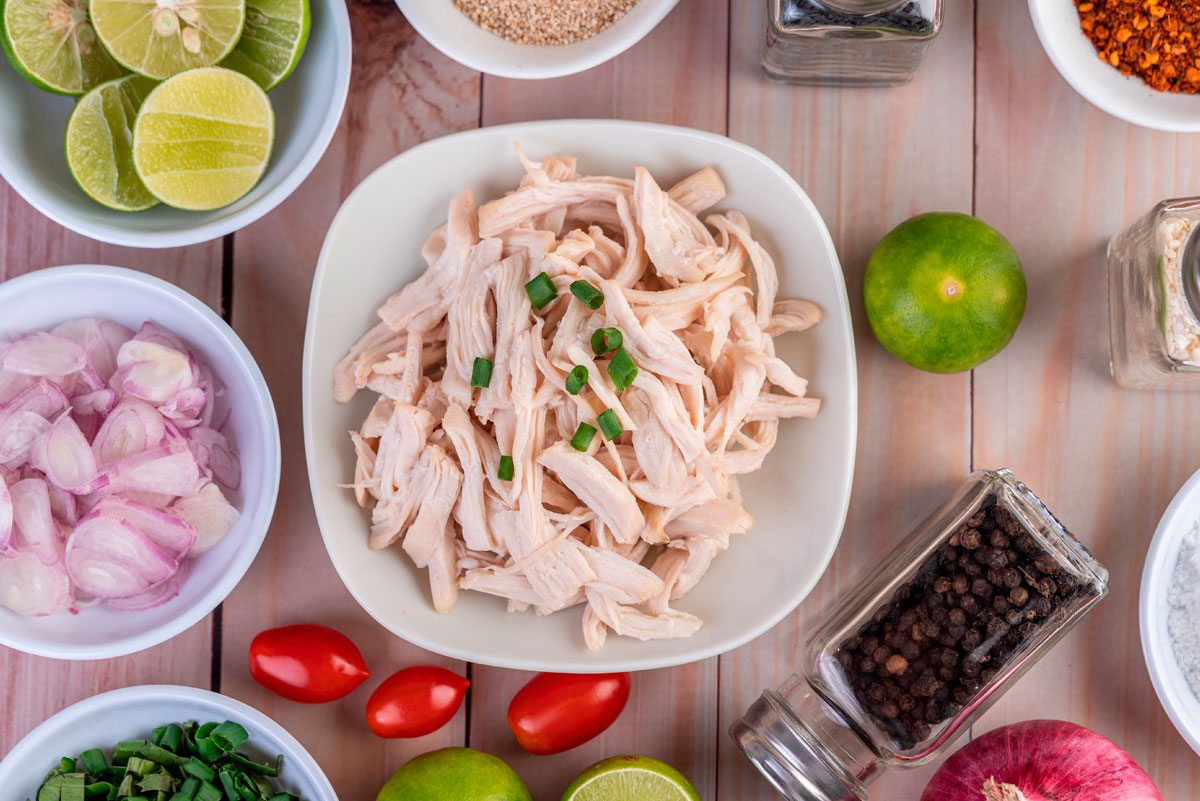
6. Shredded Salsa Chicken
Best for: Tacos, burrito bowls, and flexible family dinners.
Shredded chicken is one of the most versatile meals you can prepare in a pressure cooker.
Place boneless chicken thighs or breasts in the cooker with salsa, cumin, garlic, and enough thin broth to meet the cooker’s minimum liquid requirement. Use a tested pressure-cooking time appropriate for the size and thickness of the chicken.
Once the chicken is fully cooked and the pressure has been safely released, shred it with two forks and stir it into the cooking juices. Add lime juice and fresh cilantro to finish.
Serve with tortillas, rice, black beans, avocado, or a simple cabbage slaw.
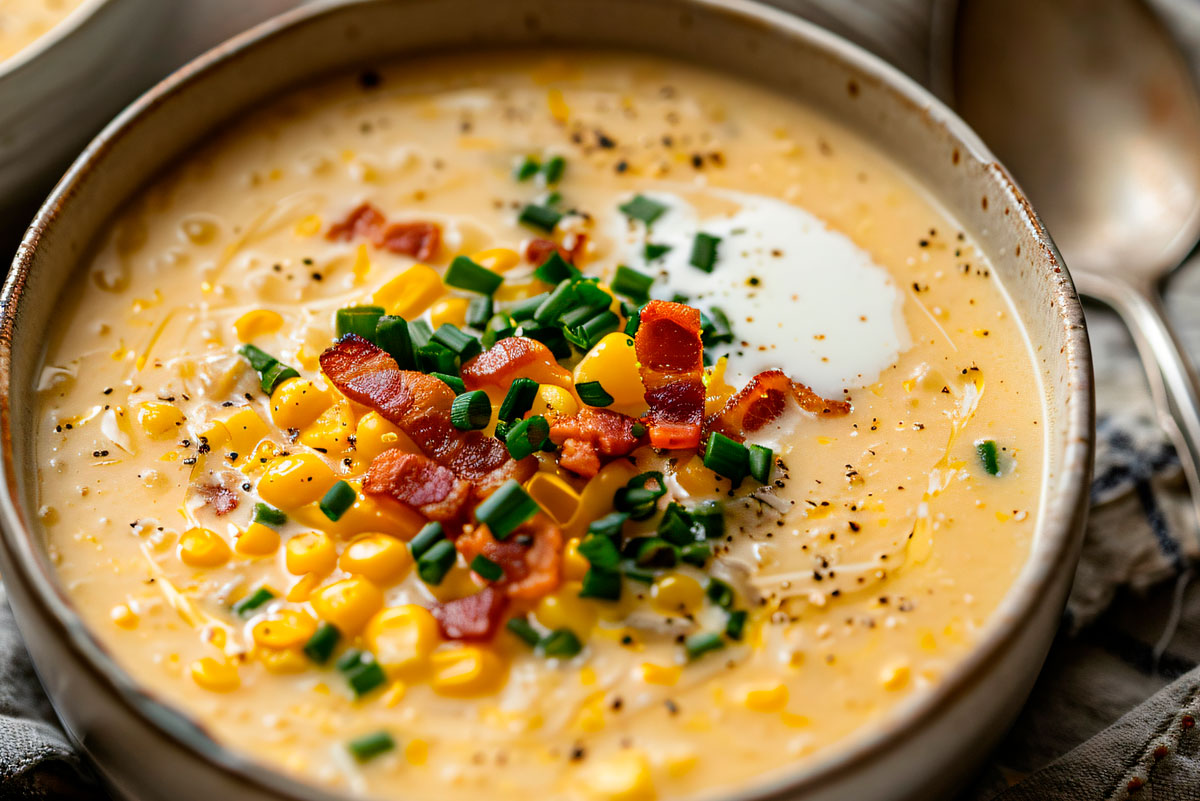
7. Creamy Potato and Corn Chowder
Best for: A comforting soup with simple ingredients.
Potatoes cook quickly under pressure, making them a useful base for creamy soups without a long stovetop simmer.
Sauté diced onion and celery, then add cubed potatoes, corn, broth, and seasonings. Pressure-cook using a tested potato soup recipe for your model.
After the pressure has been released, stir in milk or cream and warm gently without bringing the soup to a vigorous boil. Mash some of the potatoes against the side of the pot to thicken the chowder naturally.
Finish with black pepper, chives, or a little grated cheese.
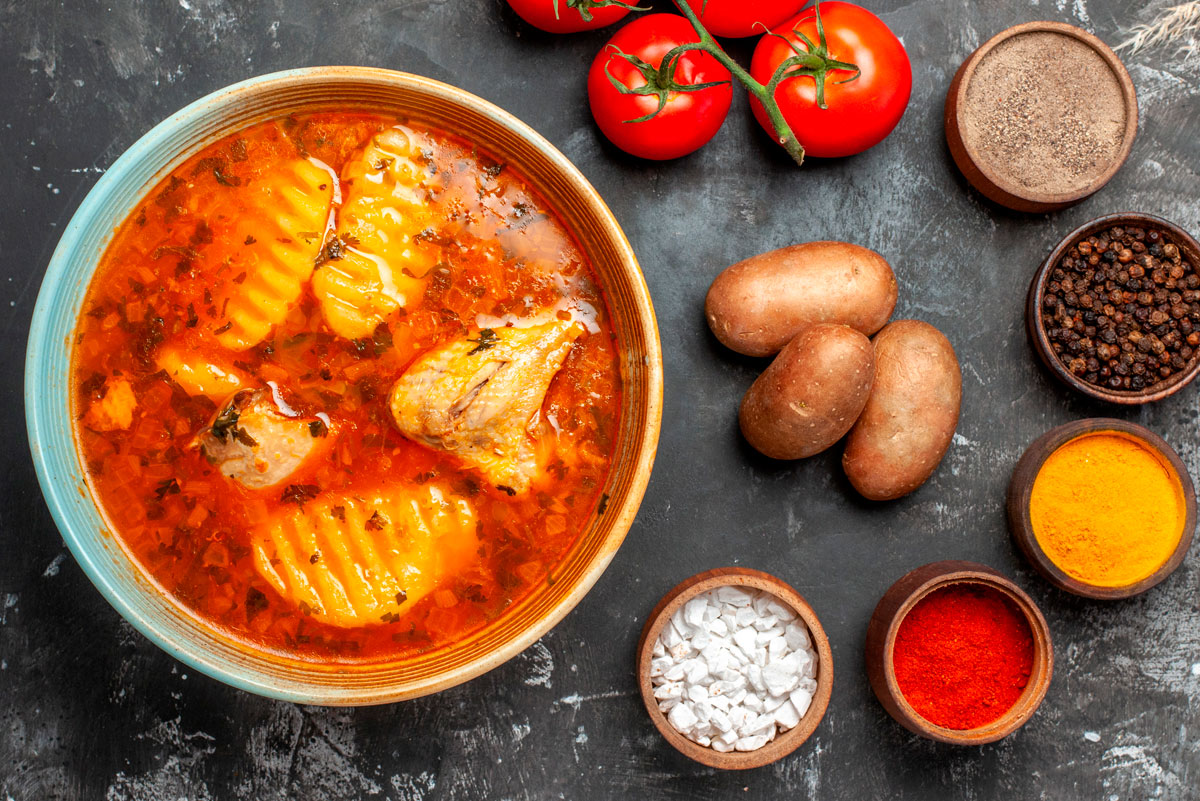
8. Chicken and Potato Stew with Paprika
Best for: A practical one-pot dinner using everyday ingredients.
Chicken, potatoes, peppers, and paprika make a satisfying stew with relatively little preparation.
Brown chicken thigh pieces in olive oil, then add onion, garlic, bell pepper, and smoked paprika. Pour in broth, scraping the bottom of the pot to incorporate the browned bits.
Pressure-cook the chicken according to a tested recipe for your model. Add the potatoes at the appropriate stage so they become tender without falling apart. Depending on the recipe, this may mean a short second pressure-cooking stage or finishing them with the lid off.
A little lemon juice or chopped parsley adds freshness just before serving.
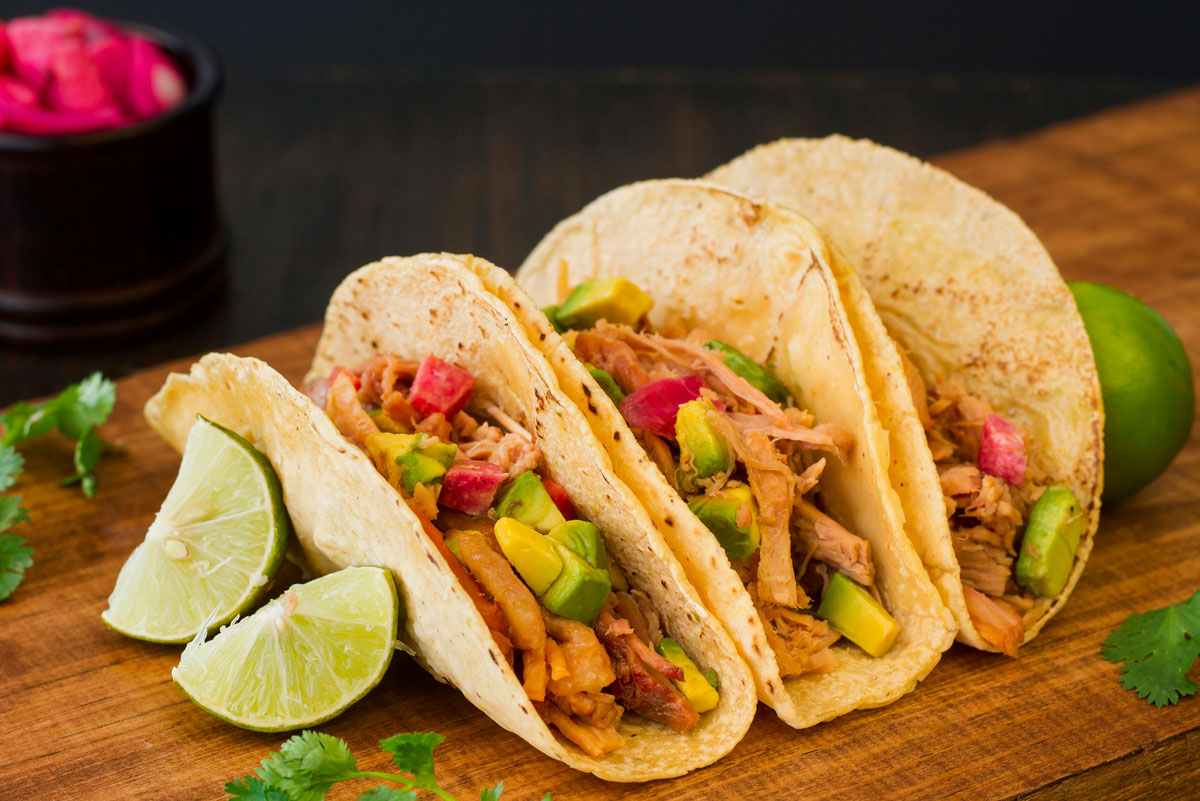
9. Pork Carnitas-Style Tacos
Best for: Weekend preparation and quick meals later in the week.
Pork shoulder normally requires hours of slow cooking to become tender enough to shred. A pressure cooker can shorten that process considerably.
Season pork shoulder chunks with garlic, cumin, oregano, citrus juice, and broth. Cook under pressure following a tested recipe for the cut, quantity, and cooker model.
Once the meat is tender and the pressure has been safely released, shred it and mix it with some of the cooking juices.
For crisp edges, spread the pork on a baking sheet and broil briefly before serving with warm tortillas, chopped onion, cilantro, and lime.
How to Make Pressure Cooker Dinners Faster
The fastest dinners often begin before you turn on the stove.
Keep ingredients such as broth, canned tomatoes, rice, lentils, frozen vegetables, and basic seasonings available. Cut vegetables while the cooker heats, and choose recipes that require little preparation or only one main cooking stage.
It also helps to understand the difference between pressure-cooking time and total cooking time.
A recipe that calls for 8 minutes under pressure does not necessarily take 8 minutes to prepare. The cooker must first reach its working pressure, and pressure must be released safely before opening. Browning, chopping, and finishing the dish add time as well.
For particularly busy evenings, choose chicken, lentils, soups, or meals made with ingredients that cook at similar rates. Save dried beans, large cuts of meat, and recipes with multiple cooking stages for days when you have more flexibility.
Pressure Cooking Tips for Better Weeknight Meals
A stovetop pressure cooker gives you more control than simply switching the heat on and waiting.
You can brown meat, sauté onions, and toast spices directly in the open pot before adding liquid and closing the lid. This develops flavor without requiring a separate skillet.
The Magefesa Practika Plus Pressure Cooker is an example of a stainless steel stovetop model suitable for preparing soups, stews, legumes, and other everyday meals. Its construction allows you to build flavor in the pot before cooking under pressure.
A few habits make a difference:
Use the correct amount of liquid. Pressure cookers need sufficient liquid to generate steam, but the amount varies by recipe and model.
Respect the fill limits. Foods such as beans, grains, and pasta can expand or foam during cooking. Follow your cooker’s specific restrictions.
Start timing at the right moment. For Magefesa stovetop models, count the cooking time once the cooker reaches the working pressure indicated in its instructions.
Choose the appropriate pressure-release method. Natural release is useful for many beans, soups, and meat dishes. Faster release may help prevent delicate ingredients from overcooking, but it must be suitable for the recipe and cooker.
Finish delicate ingredients afterward. Spinach, cream, fresh herbs, and some vegetables are often better added once pressure cooking is complete.
Never force open a pressure cooker. Always follow the manufacturer’s instructions for pressure levels, minimum liquid quantities, fill limits, and safe pressure release.
For more guidance, see How to Choose the Right Magefesa Pressure Cooker.
Frequently Asked Questions about Fast dinners
Share