Pressure Cooker vs. Slow Cooker: Which One Is Right for You?

Pressure Cooker vs. Slow Cooker: Which One Is Right for You?
When comparing a pressure cooker vs. slow cooker, the biggest difference is how they use time. A pressure cooker is designed to cook foods that normally take a long time much faster, while a slow cooker uses gentle heat over several hours with minimal intervention.
Both methods work well for dishes such as soups, stews, beans, and tougher cuts of meat, but they solve different problems in the kitchen.
There is also a third option worth considering: slow cooking in a conventional pot or casserole on the stovetop. It requires more attention than an electric slow cooker, but gives you greater control over browning, simmering, liquid reduction, and the final texture of the dish.
Here is how the three approaches compare.
| Pressure cooker | Slow cooker | Conventional pot | |
|---|---|---|---|
| Cooking style | High-pressure steam | Low, steady heat | Gentle stovetop simmer |
| Cooking time | Short | Long | Long |
| Supervision | Low once pressurized, but follow the cooker instructions | Very low | Moderate |
| Browning | Possible before pressure cooking in stovetop models | Usually easier in a separate pan | Directly in the pot |
| Versatility beyond the main cooking method | Can also brown, sauté, and simmer without pressure | Primarily designed for slow cooking | Can brown, sauté, simmer, and reduce sauces |
| Liquid reduction | Limited while sealed | Limited | Easy to control |
| Texture control | Requires accurate timing | Gradual cooking | Easy to check and adjust |
| Best for | Beans, stocks, soups, stews, braises, tough meats | Stews, braises, soups, chili | Stews, braises, soups, sauces, stocks |
| Dedicated appliance required | No, with a stovetop model | Yes | No |
How Pressure Cooking and Slow Cooking Work
The biggest difference between a pressure cooker and a slow cooker is not simply that one cooks quickly and the other slowly. They use different cooking environments.
How a pressure cooker works
A pressure cooker traps steam inside a sealed pot. As pressure rises, water can reach a temperature above its normal boiling point, allowing food to cook considerably faster than it would in an uncovered or conventionally covered pot.
That makes pressure cooking particularly useful for foods that normally require substantial cooking time, including dried beans, stocks, stews, and collagen-rich cuts of meat.
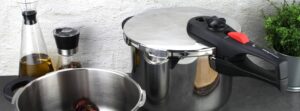
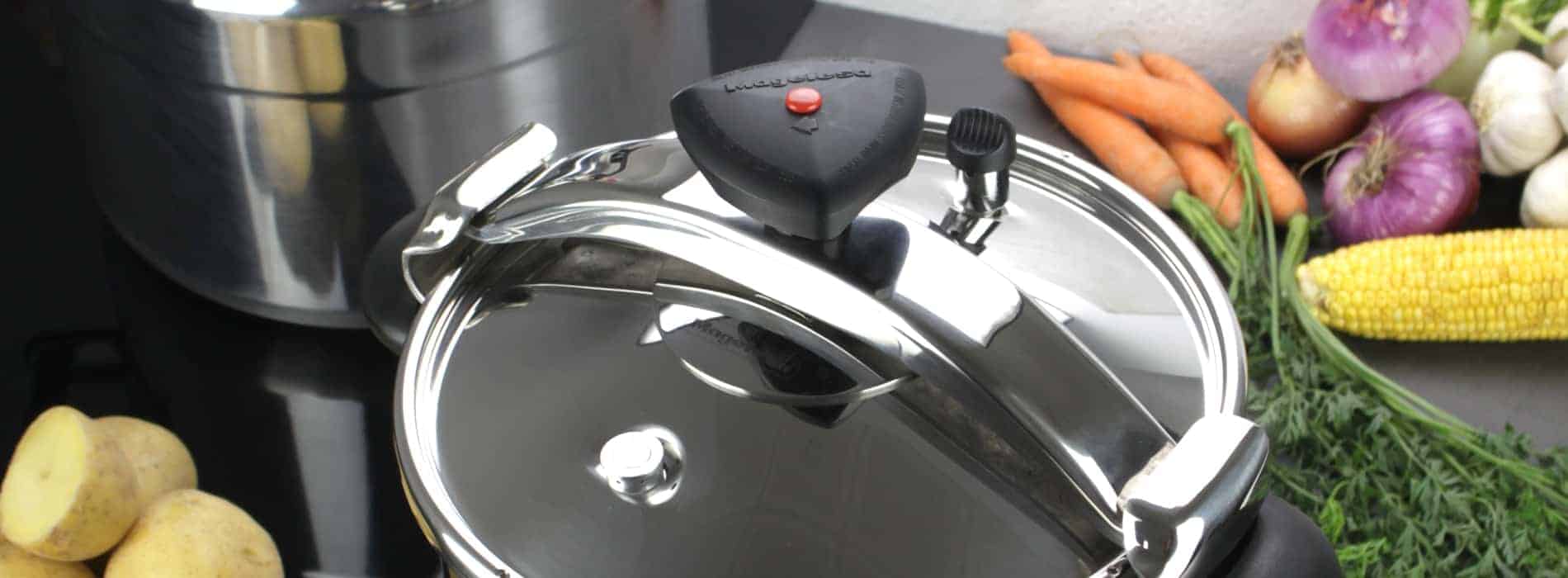
It is also important to distinguish a stovetop pressure cooker from an electric multicooker. They are often grouped together online, but they are not the same piece of equipment. A stovetop pressure cooker, such as a Magefesa pressure cooker, is heated directly on the cooktop and does not require a separate electrical base.
Magefesa offers pressure cookers with different working-pressure systems, including models intended for a wide range of foods from vegetables and fish to legumes and collagen-rich meats.
One of the most practical advantages of a stovetop pressure cooker is its versatility. You can brown meat, sauté onions and other aromatics, and build flavor directly in the pot before adding liquid and cooking under pressure. Once cooking is complete and the pressure has been safely released, you can also simmer the dish uncovered to reduce a sauce or adjust its consistency.
This makes a pressure cooker especially useful for everyday meals that would otherwise require a long simmer. Instead of planning a stew, bean dish, or broth hours in advance, you can prepare many of these recipes in considerably less time without giving up the familiar steps that develop flavor.
How a slow cooker works
A slow cooker takes almost the opposite approach. It is a countertop electrical appliance designed to cook food gently over several hours.
According to the USDA, slow cookers generally operate between 170°F and 280°F (77°C to 138°C). The combination of direct heat, extended cooking time, and steam inside the covered vessel makes them particularly well suited to moist preparations such as soups, stews, and braises.
Their main advantage is convenience rather than speed. You can assemble a dish well before mealtime and allow it to cook with little intervention.
That makes the choice between the two easier to understand:
A pressure cooker saves cooking time. A slow cooker lets you move that cooking time to another part of your day.
What Foods Work Best in a Pressure Cooker or Slow Cooker?
There is considerable overlap, but the two methods are not interchangeable in every recipe.
Beans and legumes: Pressure cooking is particularly useful here because foods that can otherwise require lengthy simmering can be cooked much faster. Slow cookers can cook many legumes too, but recipes should be developed specifically for that method.
Tough cuts of meat: Both methods can work well. Long, moist cooking helps collagen-rich cuts become tender, while pressure cooking accelerates that process. The better method depends largely on your schedule and the texture you want.
Stews and braises: Either method can produce good results. A pressure cooker gets dinner on the table faster; a slow cooker favors advance preparation.
Stocks and broths: A pressure cooker is especially practical when time is limited. Conventional stovetop simmering remains useful when you want direct control throughout a longer extraction.
Vegetables: This is where pressure cooking requires some precision. Because cooking happens quickly, a few extra minutes can make a noticeable difference to delicate vegetables. A slow cooker is better suited to vegetables that tolerate prolonged cooking.
Sauces: Neither pressure nor slow cooking is automatically the best choice when the goal is significant evaporation and reduction. An open or partially covered conventional pot gives you much more control over how quickly a sauce concentrates.
The important point is that cooking method should follow the food, not the other way around.
Can You Slow Cook Without a Slow Cooker?
Yes. A dedicated slow cooker is not required to cook food slowly.
Long before countertop slow cookers existed, soups, stews, braises, beans, and stocks were cooked for hours in pots and casseroles. The same technique remains useful today.
The principle is straightforward: bring the food to the appropriate cooking temperature, lower the heat, cover when the recipe calls for it, and maintain a gentle simmer rather than a vigorous boil.
A conventional pot also offers a few advantages that an electric slow cooker does not.
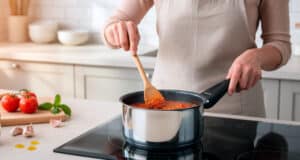
You can brown meat and aromatic vegetables directly in the cookware before adding liquid. You can adjust the heat immediately. You can remove the lid to encourage evaporation. And when a stew is cooked but its sauce is still too thin, you can simmer it uncovered until it reaches the consistency you want.
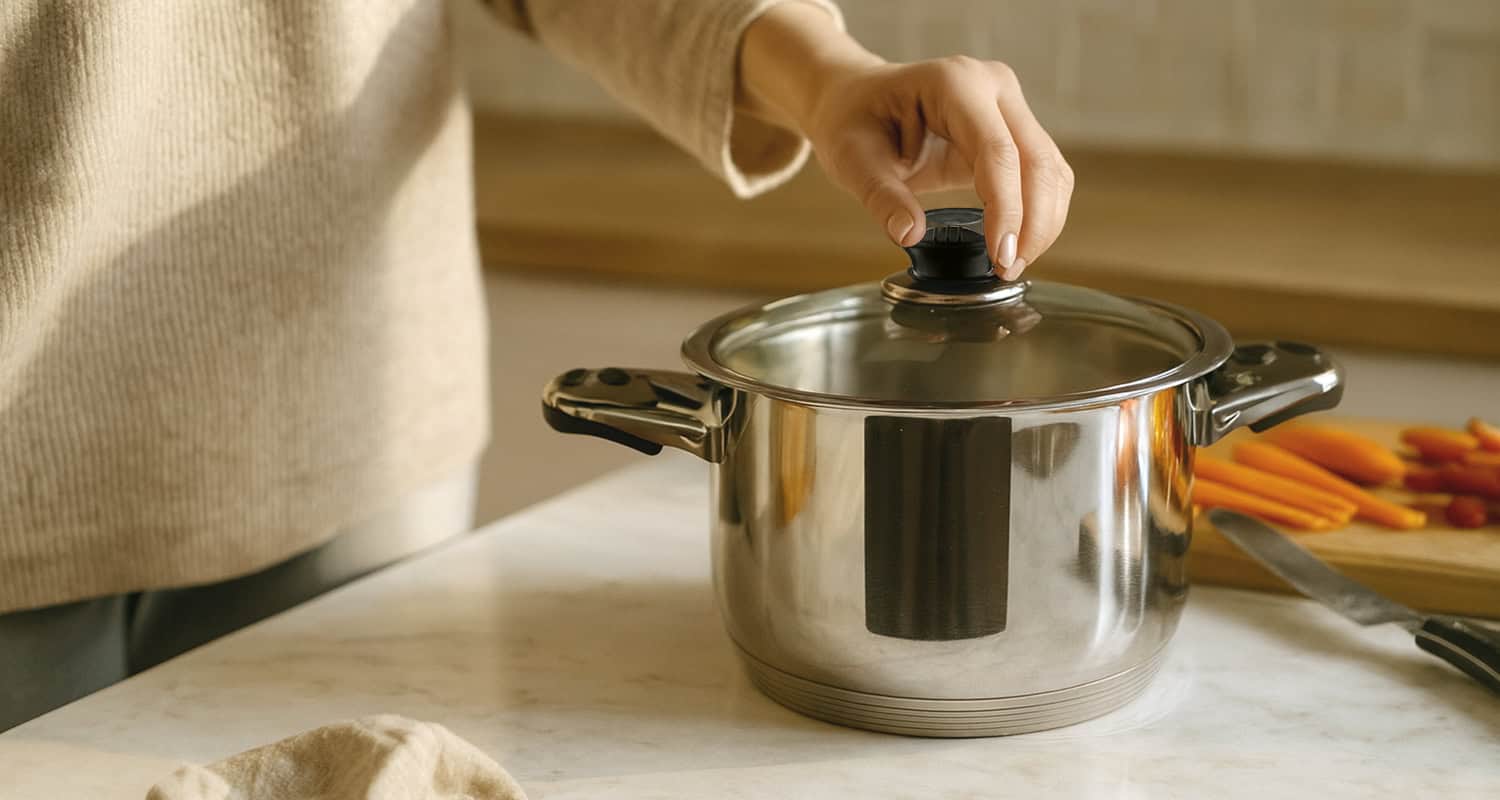
For traditional slow cooking, a heavy-bottomed stockpot or stainless steel casserole is a practical alternative to a dedicated slow cooker. Cookware such as the Magefesa Onix Stainless Steel 4.5 Qt. Low Casserole allows you to brown ingredients, add liquid, and maintain a gentle simmer in the same vessel. Its wide, low shape is also useful when you want to reduce a sauce toward the end of cooking.
The key is to keep the heat low enough for a gentle simmer and check the liquid level periodically. Unlike an electric slow cooker, a conventional stovetop casserole requires supervision, but it gives you more direct control over the cooking process.
There is, however, an important tradeoff.
Stovetop slow cooking is not a direct replacement for the unattended convenience of a slow cooker. A pot on the stove requires appropriate heat management and supervision. Follow your recipe and cookware instructions rather than treating a conventional pot as a “set it and forget it” appliance.
Pressure Cooker vs. Slow Cooker: What About a Conventional Pot?
When deciding between a pressure cooker vs. slow cooker, think first about when you have time to cook. Choose a pressure cooker when you want to shorten the cooking process; choose a slow cooker when you want the food to cook gradually with minimal intervention.
If you are deciding which method makes sense in your kitchen, start with your schedule rather than the appliance.
Choose a pressure cooker if…
- You frequently cook beans, stocks, soups, stews, or tougher cuts of meat.
- You want to reduce the time required for dishes that normally cook for hours.
- You prefer cookware that works directly on your stovetop rather than another countertop appliance.
- You often decide what to cook relatively close to mealtime.
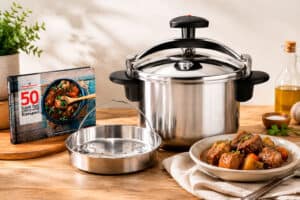
A stovetop pressure cooker such as the Magefesa Star Stainless Steel Pressure Cooker is a good example of this approach. Magefesa also offers other pressure cooker systems and capacities, so the appropriate model depends on your cooktop, household size, and the foods you prepare most often.
Choose a slow cooker if…
- You like preparing dinner several hours in advance.
- Minimal intervention during cooking is a priority.
- You regularly make recipes specifically designed for long, low-temperature cooking.
- You have the counter and storage space for a dedicated electric appliance.
Choose a conventional pot or casserole if…
- You already have time for a traditional simmer.
- You want to brown and slow-cook in the same piece of cookware.
- You want more control over evaporation and sauce consistency.
- You only occasionally prepare slow-cooked dishes and do not want a dedicated appliance.
For many kitchens, the decision therefore does not have to be simply pressure cooker or slow cooker. A pressure cooker and a good conventional pot perform different jobs and together cover a surprisingly broad range of cooking techniques.
For home cooks who regularly prepare beans, stews, broths, and braised meats, a stovetop pressure cooker is often the most practical choice. It significantly reduces the time needed for dishes that traditionally require long cooking, while still allowing you to brown ingredients and finish sauces in the same pot.
If you also enjoy the slower pace and hands-on control of traditional simmering, a stainless steel casserole makes a useful companion. Together, a Magefesa pressure cooker and a conventional casserole cover a wide range of everyday cooking needs without requiring a dedicated electric slow cooker.
Frequently Asked Questions about Pressure cookers & Slow Cookers
Share