How to Choose Durable Cookware That’s Built to Last
Learn how to choose durable cookware, which materials last longest, and what to check before buying stainless steel, cast iron or nonstick pans.
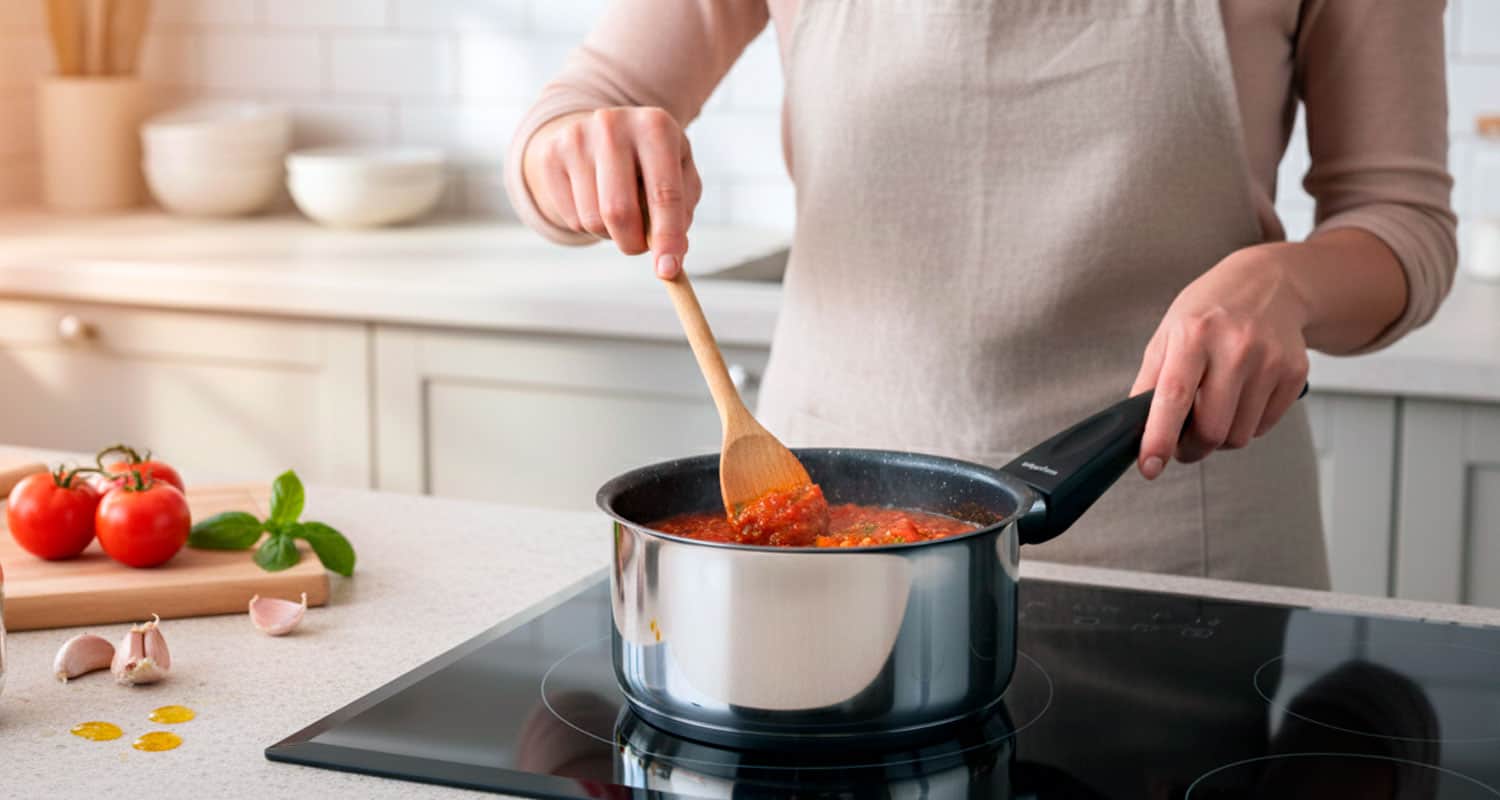
Choosing durable cookware isn’t simply a matter of buying the heaviest or most expensive pan. Material, construction, cooking surface, handle design, and proper care all determine how well cookware will perform after years of regular use.
For most home kitchens, stainless steel and cast iron are among the most durable options. Carbon steel can also last for years when properly seasoned and maintained. Nonstick cookware serves a different purpose: it’s convenient for delicate foods, but its coated surface requires more careful handling.
The best durable cookware, then, isn’t necessarily the pan with the longest theoretical lifespan. It’s cookware that’s well made, suited to the way you cook, and realistic for you to maintain.
What Makes Cookware Durable?
Cookware durability starts with the material, but construction matters just as much.
Two pans made from the same general material can perform very differently depending on their thickness, base construction, handles, cooking surface, and manufacturing quality.
When comparing durable cookware, pay particular attention to these four areas:
The body of the pan. It should feel rigid and stable rather than unusually thin or flexible. Good cookware needs to tolerate repeated heating and cooling without easily losing its shape.
The base. It should sit flat and securely on the cooking surface. Some stainless steel cookware combines stainless steel with a more conductive material, such as aluminum, to improve heat distribution while retaining the advantages of a durable stainless steel cooking surface.
The handles. A pan can have an extremely durable body and still become frustrating to use if its handle loosens. Check how securely the handles are attached and whether their construction suits the temperatures and cooking methods you use.
The cooking surface. Bare metal and coated cookware age differently. Stainless steel, cast iron, and carbon steel don’t depend on a conventional nonstick coating. With nonstick cookware, protecting the coating becomes an important part of extending the pan’s useful life.
The takeaway is simple: durable cookware is the result of good materials and good construction working together.
Which Cookware Materials Are Most Durable?
There isn’t one cookware material that’s best for every kitchen. Stainless steel, cast iron, carbon steel, aluminum, and nonstick cookware each balance durability, heat performance, maintenance, weight, and convenience differently.
| Material | Durability | Best for | Maintenance | Main drawback |
|---|---|---|---|---|
| Stainless steel | Excellent | Everyday cooking, browning, sauces | Low | Requires technique to prevent sticking |
| Cast iron | Excellent | Searing, frying, oven cooking | Moderate | Heavy and can rust if neglected |
| Carbon steel | Excellent with proper care | High-heat cooking, searing, paella | Moderate | Requires seasoning and thorough drying |
| Aluminum | Depends on construction | Fast, responsive heating | Low to moderate | Softer metal; quality varies |
| Nonstick cookware | More limited | Eggs, pancakes, delicate foods | Gentle care required | Coating gradually wears |
Stainless Steel Cookware
Stainless steel is one of the strongest choices for cooks looking for durable cookware for everyday use.
Quality stainless steel resists corrosion, doesn’t have a conventional nonstick coating that gradually wears away, and requires relatively little maintenance. It’s particularly useful for browning meat, sautéing vegetables, making pan sauces, and cooking acidic ingredients.
Its main drawback isn’t durability but technique. Food can stick when the pan is used at an inappropriate temperature or when proteins are moved before they’ve had time to release naturally.
The Magefesa EcoSteel Skillet, for example, uses 18/10 stainless steel and provides a practical example of stainless steel cookware designed for regular stovetop and oven cooking.
Cast Iron Cookware
Cast iron is another exceptionally durable cookware material.
A properly maintained cast iron skillet can remain useful for many years because there is no delicate synthetic cooking surface that needs to remain intact. Its substantial mass also provides excellent heat retention, making cast iron particularly useful for searing and other cooking methods where maintaining steady heat matters.
The trade-offs are weight and maintenance. Cast iron needs to be dried properly after washing and kept seasoned to minimize rust and maintain its cooking surface.
Carbon Steel Cookware
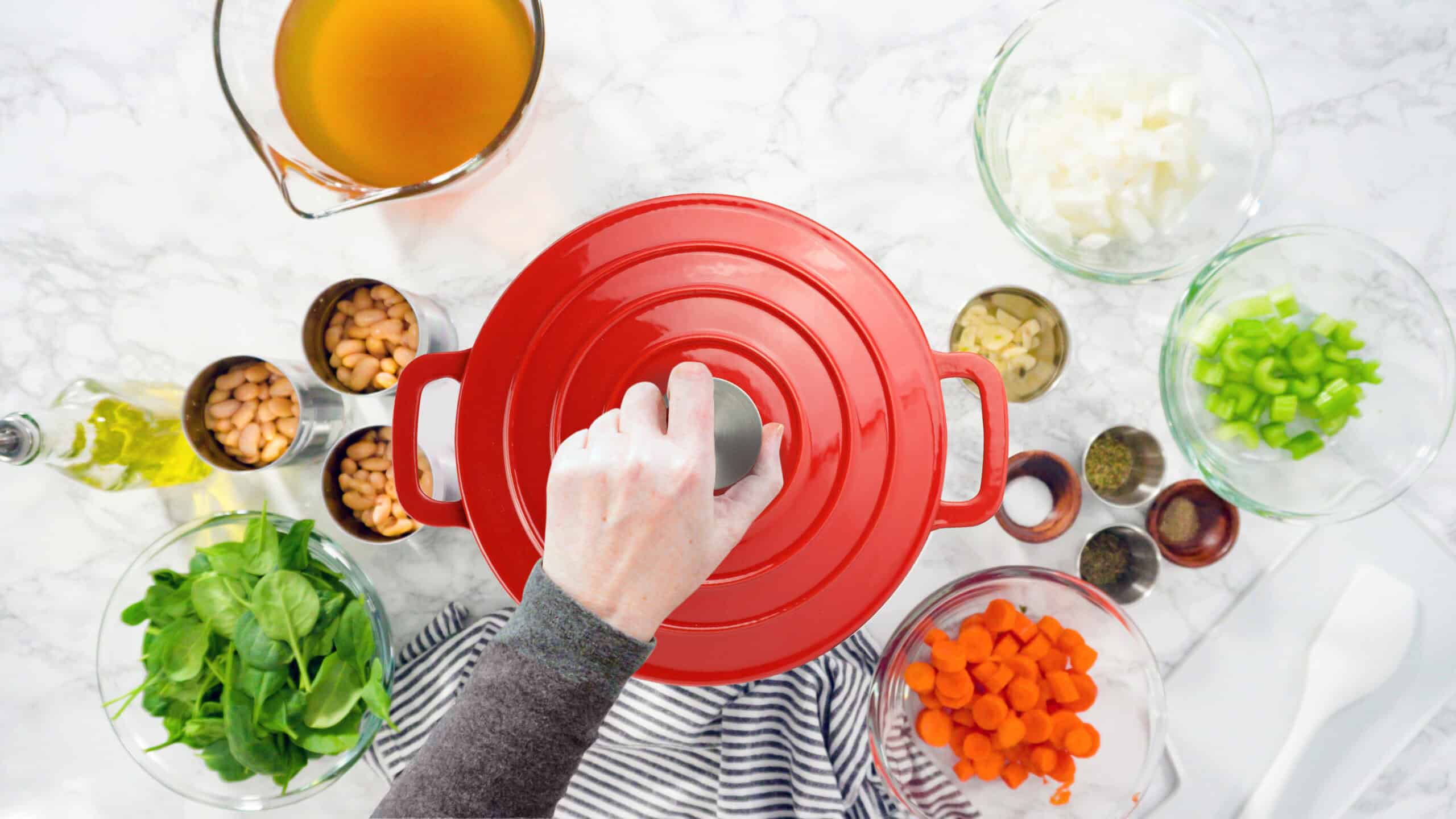
Carbon steel combines excellent durability with a lighter, more responsive construction than traditional cast iron.
It works particularly well for high-temperature cooking and develops a seasoned cooking surface with repeated use. Carbon steel is also a traditional material for paella pans.
Its durability depends partly on maintenance. Leaving carbon steel wet can encourage rust, while proper drying and seasoning help protect the cooking surface.
For cooks comfortable with that routine, carbon steel can be an excellent long-term choice.
Nonstick Cookware
Nonstick cookware should be evaluated differently from bare-metal cookware.
Its strength is convenience rather than maximum lifespan. Eggs, pancakes, delicate fish, and other foods prone to sticking can be much easier to prepare on a good nonstick surface.
The coating, however, is a wear component.
To help nonstick cookware last longer, avoid unnecessarily high temperatures, don’t leave an empty pan preheating for extended periods, and use utensils and cleaning methods appropriate for the coating.
If the cooking surface eventually becomes significantly damaged, peeling, or badly deteriorated, replacing the pan is generally more sensible than trying to extend its useful life indefinitely.
5 Signs of Durable, Well-Built Cookware
You don’t need laboratory tests to evaluate cookware durability. Several useful indicators can be checked before you ever cook with a pan.
1. A Stable, Flat Base
Place the pan on a flat surface. It should sit securely rather than rock noticeably.
A distorted base can produce inconsistent contact with the heat source and becomes especially troublesome on flat electric and induction cooktops.
2. Secure Handles
Pick up the pan and gently check the handle for movement. It shouldn’t feel loose or poorly attached to the body.
Also consider how you intend to use the cookware. If you regularly transfer pans from the stovetop to the oven, check the manufacturer’s stated oven-temperature limits rather than assuming every metal pan is oven-safe.
3. Appropriate Thickness
Thicker doesn’t automatically mean better.
However, extremely thin cookware can be more susceptible to hot spots and deformation. Look for construction that feels sufficiently substantial for its intended use without making the pan unnecessarily cumbersome.
4. An Even Cooking Surface
Inspect the interior carefully.
The surface should be consistent, without unexplained rough areas, damaged coatings, chips, or obvious manufacturing defects.
This is especially important when buying enameled or nonstick cookware because the integrity of the cooking surface directly affects its useful life.
5. Compatibility With Your Cooktop
Durable cookware isn’t particularly useful if it doesn’t work properly with your stove.
This matters especially with induction cooking, which requires compatible cookware. Look for the manufacturer’s induction designation rather than relying on assumptions about the material.
What Parts of Cookware Wear Out First?
Even durable cookware rarely wears uniformly. Certain components tend to experience more stress than others.
Nonstick coatings gradually experience wear, particularly when repeatedly exposed to excessive heat, abrasive cleaning, or unsuitable utensils.
Handles and fasteners experience mechanical stress every time a loaded pan is lifted. Developing looseness shouldn’t be ignored.
Pan bases can distort when cookware is subjected to inappropriate temperatures or abrupt temperature changes. Avoid taking a very hot pan and immediately exposing it to cold water.
Seasoned surfaces on cast iron and carbon steel can deteriorate if the cookware is left wet or stored before it’s completely dry. The advantage is that seasoning can generally be restored.
Enamel surfaces are durable but can chip when cookware is dropped or struck against hard objects.
This distinction matters when assessing cookware durability: how long cookware lasts depends partly on how you use, clean, and store it.
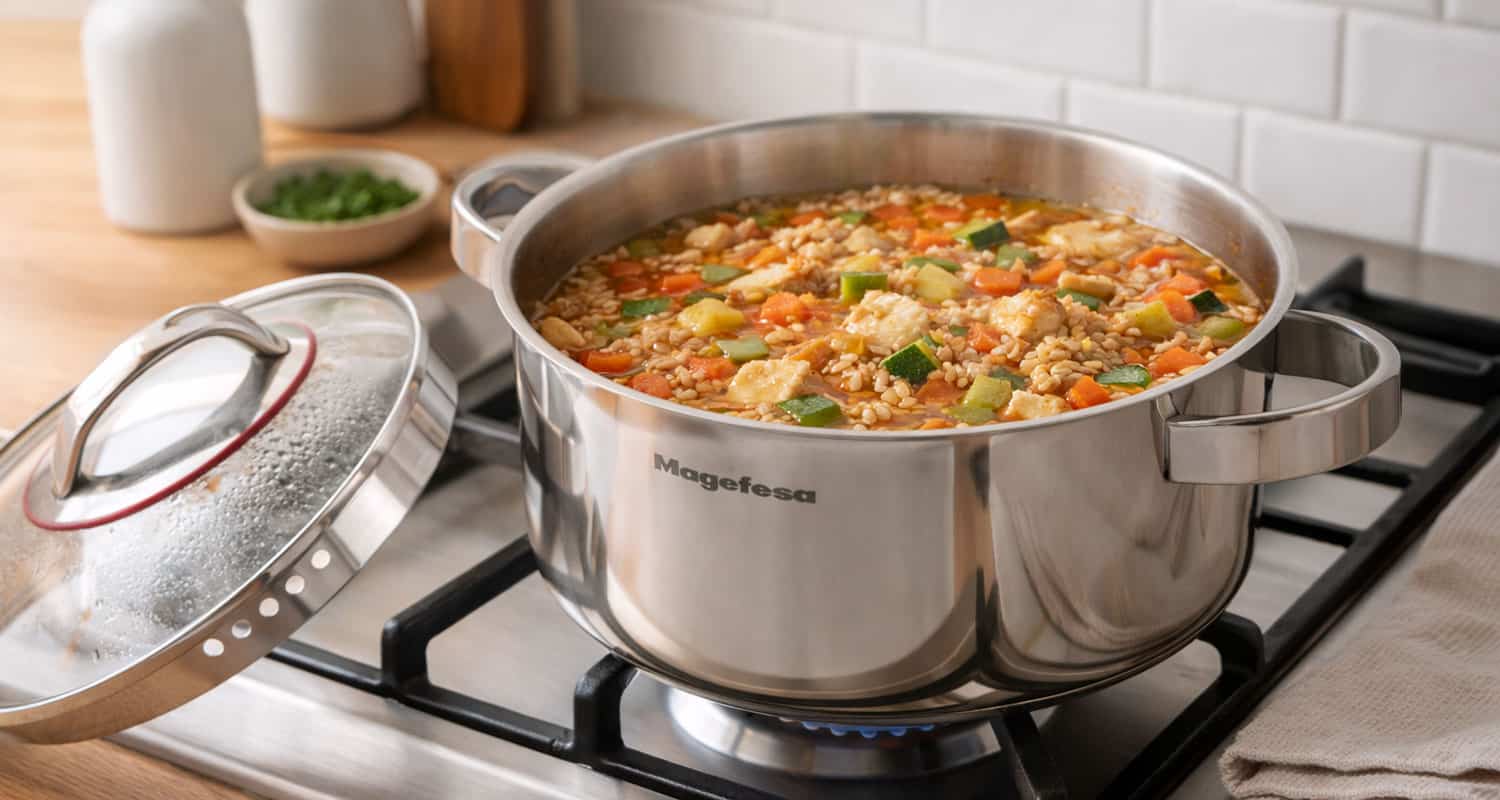
How to Choose Durable Cookware for Your Cooking Style
Instead of searching for one pan that wins every durability comparison, consider what you actually cook.
| Best For | Recommended Cookware | Why It Works |
|---|---|---|
| Everyday sautéing, browning & pan sauces | Stainless steel | An excellent all-purpose choice that combines high durability with relatively simple maintenance. |
| Steaks & high-heat searing | Cast iron or carbon steel | Both materials can handle the demands of high-temperature cooking and intense searing. |
| Eggs, pancakes & delicate fish | Nonstick skillet | Makes delicate foods considerably easier to cook. Treat it as a specialized tool and protect the nonstick surface accordingly. |
| Acidic sauces | Stainless steel | Particularly convenient because it doesn’t depend on a seasoned cooking surface. |
| Paella | Carbon steel | A traditional choice that responds well to changes in heat. Magefesa carbon steel paella pans are designed to develop a seasoned patina with repeated use. |
| Stovetop-to-oven cooking | Depends on construction | Check handles, lids, knobs and coatings, as these can affect the manufacturer’s recommended maximum oven temperature. |
Most kitchens don’t need every pan to be made from the same material. In fact, a small collection of durable cookware chosen for different cooking tasks is often more useful than a large matching set.
Durable Cookware Checklist: What to Check Before Buying
Before buying new cookware, run through this quick checklist:
- What material is the cookware made from?
- Is the cooking surface bare metal, seasoned, enameled, or coated?
- Does the base sit flat and feel stable?
- Are the handles securely attached?
- Is it compatible with your stovetop?
- Is it oven-safe, and to what temperature?
- What maintenance does the manufacturer recommend?
- Are there restrictions on utensils or cleaning methods?
- What does the warranty cover?
- Are clear material and care specifications available?
Buying from a manufacturer or retailer that clearly identifies cookware materials and provides proper use and care instructions also matters.
This can be relevant to safety as well as durability. The FDA has warned consumers about certain identified imported cookware products found to leach lead into food. That warning concerns specific products and constructions; it shouldn’t be interpreted as evidence that an entire cookware material is inherently unsafe.
Ultimately, choosing durable cookware means matching three things: material, construction, and maintenance requirements.
Get those right and you’re far more likely to own pots and pans that continue performing well after years of regular cooking—without relying on weight, price, or marketing claims to tell you what’s built to last.
Recommended
- Cast Iron Cookware: The Marvels of this timeless product
- Magefesa Onix Best 11″ Wok
- Magefesa Dux 7-Piece Best Stainless Steel Cookware Set
- Magefesa Coral Due Best Non-Stick Porcelain on steel Skillet

