Food Safety in the Kitchen: How to Handle, Cook and Store Food Safely
Food Safety in the Kitchen: Essential Tips
Good food safety in the kitchen comes down to four basic habits: clean, separate, cook and chill. Wash your hands and work surfaces, prevent raw foods from contaminating ready-to-eat foods, cook ingredients to safe internal temperatures, and refrigerate perishable foods promptly.
These practices help reduce the risk of foodborne illness and should be part of everyday cooking, whether you’re preparing a quick dinner or cooking for the whole family. The CDC and USDA use these same four steps as the foundation for food safety at home.
| Food safety step | What it means |
|---|---|
| Clean | Wash hands, utensils and work surfaces properly |
| Separate | Keep raw foods away from ready-to-eat foods |
| Cook | Cook food to a safe internal temperature |
| Chill | Refrigerate perishable foods promptly and thaw food safely |
1. Start With Clean Hands and a Clean Kitchen
Food safety starts before the first ingredient reaches the pan.
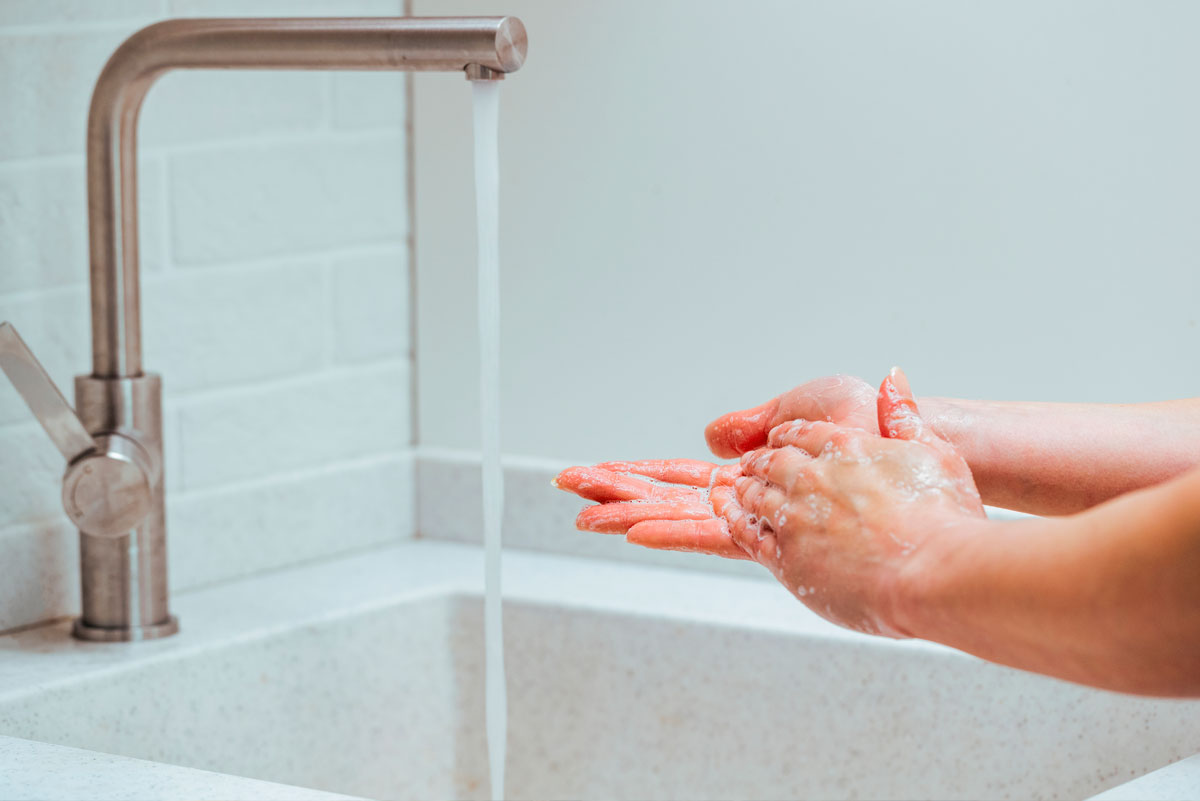
Wash your hands with soap and running water for at least 20 seconds before preparing food. Wash them again whenever necessary during cooking, particularly after handling raw meat, poultry, seafood, eggs or flour, as well as after touching garbage or anything else that could contaminate your hands.
Keep countertops, cutting boards, dishes and utensils clean as well. Wash items that have been in contact with raw foods before using them for cooked or ready-to-eat ingredients.
Kitchen towels and dishcloths also need attention. Replace or wash them regularly rather than repeatedly wiping clean surfaces with a cloth that has already been used around raw ingredients.
2. Prevent Cross-Contamination
Cross-contamination happens when harmful microorganisms are transferred from one food, surface or utensil to another.
One of the easiest ways to reduce the risk is to keep raw meat, poultry, seafood and eggs separate from foods that are ready to eat. This applies while shopping, storing food in the refrigerator and preparing ingredients.
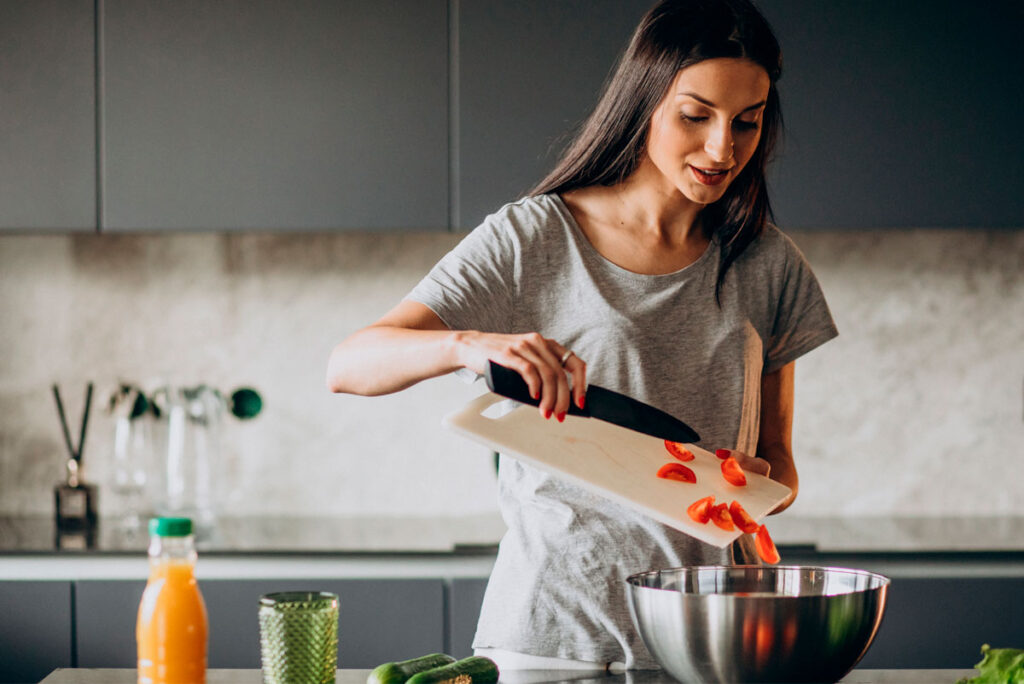
If possible, use one cutting board for raw meat, poultry and seafood and another for produce, bread and other ready-to-eat foods. You don’t need an elaborate color-coded system; what matters is keeping raw foods separate and thoroughly washing boards and utensils between tasks.
In the refrigerator, store raw meat, poultry and seafood securely so their juices cannot drip onto other foods. Never put cooked food back onto a plate or surface that previously held raw meat unless it has been properly washed first.
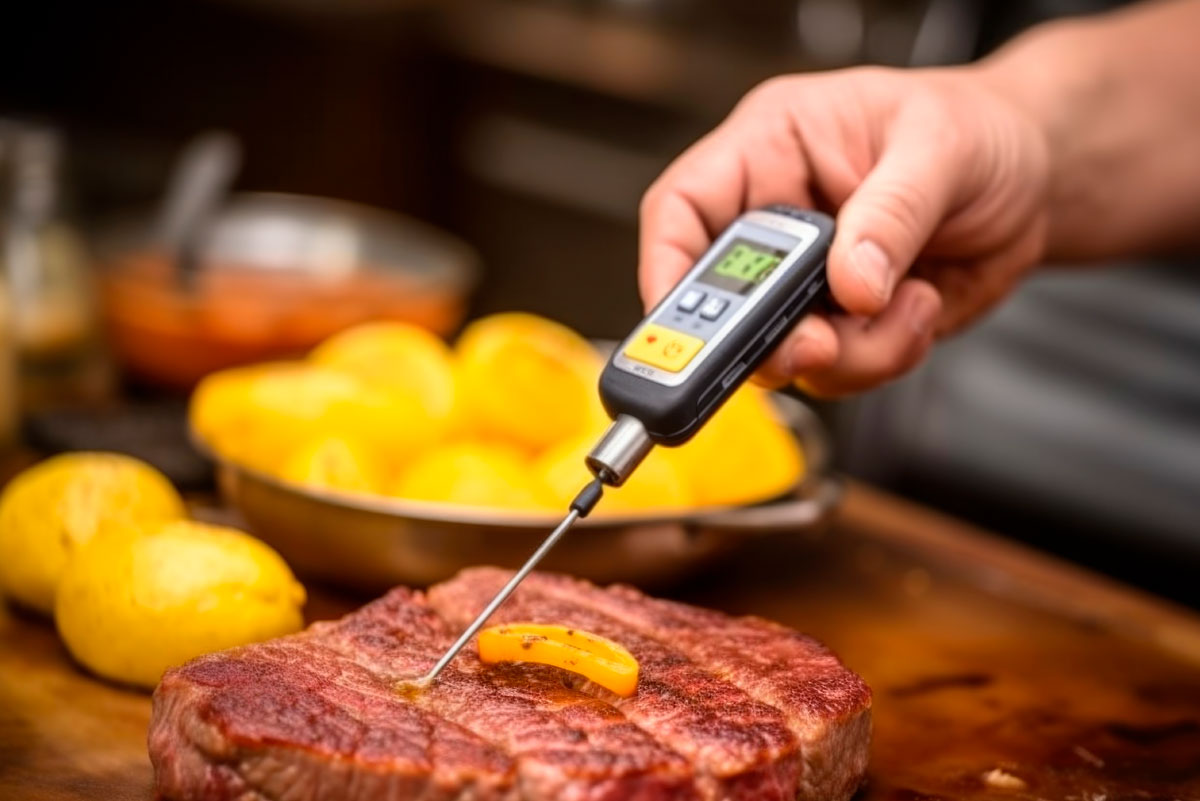
3. Cook Food to a Safe Internal Temperature
Appearance alone can’t reliably tell you whether food has been cooked safely. A food thermometer provides a much better way to check that meat, poultry, fish and other foods have reached the appropriate internal temperature.
Here are the safe minimum internal temperatures recommended by the FDA:
| Food | Safe minimum internal temperature |
|---|---|
| Poultry, including chicken and turkey | 165°F (74°C) |
| Ground beef, pork, veal and lamb | 160°F (71°C) |
| Whole cuts of beef, pork, veal and lamb | 145°F (63°C) + 3-minute rest |
| Fish | 145°F (63°C) |
| Egg dishes | 160°F (71°C) |
| Leftovers and casseroles | 165°F (74°C) |
Insert the thermometer into the thickest part of the food, avoiding bone when appropriate. For thin foods, follow the thermometer manufacturer’s instructions for correct placement.
Cookware that heats consistently and is appropriately sized for the recipe also makes everyday cooking easier, but the cookware itself doesn’t determine whether food has reached a safe temperature. A thermometer is the appropriate tool for checking doneness.
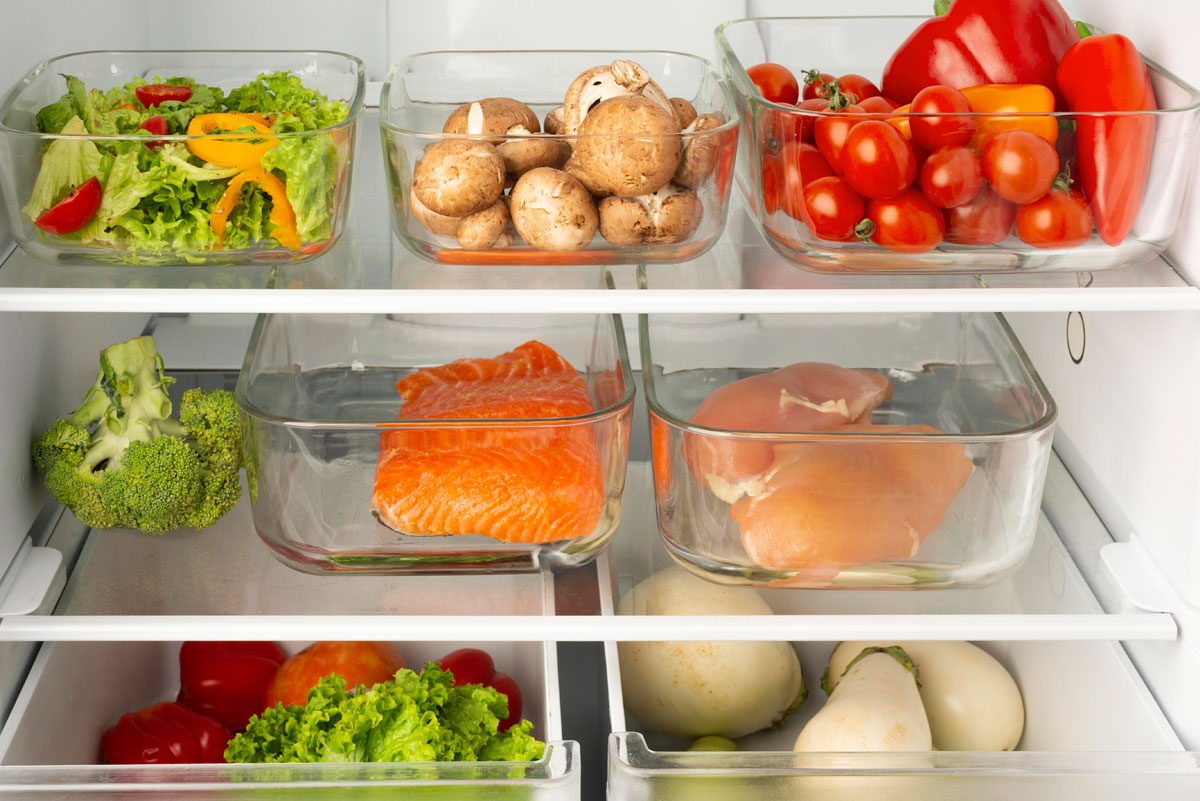
4. Refrigerate, Store and Thaw Food Safely
Temperature control remains important after cooking.
Keep your refrigerator at 40°F (4°C) or below and your freezer at 0°F (-18°C) or below. Perishable foods should generally be refrigerated within 2 hours, or within 1 hour when the surrounding temperature is above 90°F (32°C).
Divide large quantities of leftovers into shallow containers so they cool more quickly, and refrigerate them promptly rather than leaving them on the countertop to cool for an extended period.
Labeling containers with their contents and preparation date can also make it easier to keep track of what’s in the refrigerator and use older food first.
How to thaw frozen food safely
Don’t thaw frozen foods by simply leaving them on the kitchen counter.
The FDA recognizes three safe methods: in the refrigerator, in cold water or in the microwave. Food thawed in cold water or the microwave should be cooked immediately.
5. Wash Produce and Handle Groceries Safely
Food safety starts before you begin cooking.
When shopping, keep raw meat, poultry and seafood separate from other groceries whenever possible. Once home, refrigerate or freeze perishable foods promptly rather than leaving them at room temperature.
Fresh fruits and vegetables should be rinsed thoroughly under running water before preparing or eating them. This includes produce that will be peeled, since contaminants on the outside can be transferred to the inside by your hands or knife during preparation.
Don’t use soap, detergent or commercial produce washes to clean fruits and vegetables. The FDA recommends washing produce under plain running water. Firm produce can be gently scrubbed with a clean produce brush.
This is also an important distinction to remember:
6. Common Food Safety Mistakes to Avoid
Many kitchen hygiene problems come from simple habits rather than complicated cooking techniques. Watch out for these common mistakes:
- Using the same unwashed cutting board or utensils for raw meat and ready-to-eat food.
- Washing raw chicken and spreading contaminated droplets around the sink.
- Judging whether meat or poultry is safely cooked only by its color.
- Leaving perishable foods at room temperature for too long.
- Thawing meat or other perishable foods on the countertop.
- Putting cooked food back onto a plate that previously held raw meat.
- Repeatedly using dirty or damp kitchen towels.
- Storing raw meat where juices can drip onto other foods.
- Continuing to use cutting boards that are excessively worn or difficult to clean.
None of these precautions requires complicated equipment. Clean hands and surfaces, good separation between raw and ready-to-eat foods, proper cooking temperatures and prompt refrigeration make the biggest difference in everyday food safety.
Frequently Asked Questions about Safety in the Kitchen
Share