How to Choose a Halloween Pumpkin: 5 Things to Check
How to Choose the Best Pumpkin for Halloween
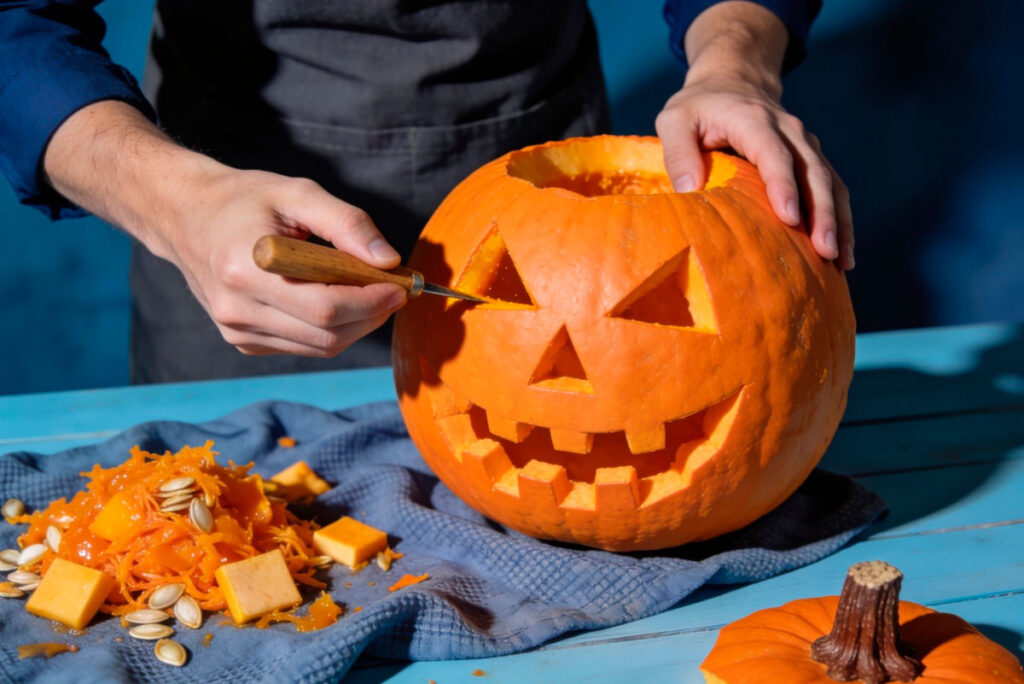
The best Halloween pumpkin depends on what you plan to do with it. For carving, choose a firm pumpkin with a flat base, an intact stem, and a shape that suits your design. For cooking or baking, look for a culinary variety with sweet, dense flesh, such as a Sugar Pie pumpkin.
Whatever its purpose, avoid pumpkins with soft spots, deep cuts, or signs of mold. A healthy pumpkin will look better and last longer, whether you display it whole or carve it into a Jack-O’-Lantern.
1. Choose the Right Pumpkin for Carving or Cooking
Not all pumpkins are equally suited to carving, cooking, and decorating. Some are grown for their size and appearance, while others are prized for their flavor and texture.
| Pumpkin type | Best for | What to look for |
|---|---|---|
| Carving pumpkins | Jack-o’-lanterns and Halloween displays | Large size, relatively thin walls, spacious seed cavity |
| Pie pumpkins | Pies, soups, muffins, and breads | Smaller culinary varieties with dense, flavorful flesh |
| Decorative pumpkins | Fall centerpieces and porch displays | Interesting colors, shapes, and intact skin |
For carving: Traditional field pumpkins, often sold as jack-o’-lantern pumpkins, provide plenty of space for faces and decorative patterns. Their relatively thin walls can make carving easier.
For cooking: Sugar Pie and New England Pie pumpkins are better choices. Their dense, less watery flesh works well in sweet and savory recipes. Large carving pumpkins are generally edible, but their flesh is often stringier and less flavorful.
For decorating: White pumpkins, miniature pumpkins, and unusual heirloom varieties can create attractive fall arrangements. However, not every ornamental gourd is edible, so choose varieties specifically sold for cooking if you plan to eat them.
For more information on selecting pumpkins for different uses, see the University of Illinois Extension’s pumpkin selection advice.
2. Find the Right Size and Shape
Before heading to a pumpkin patch or grocery store, think about the design you want to carve.
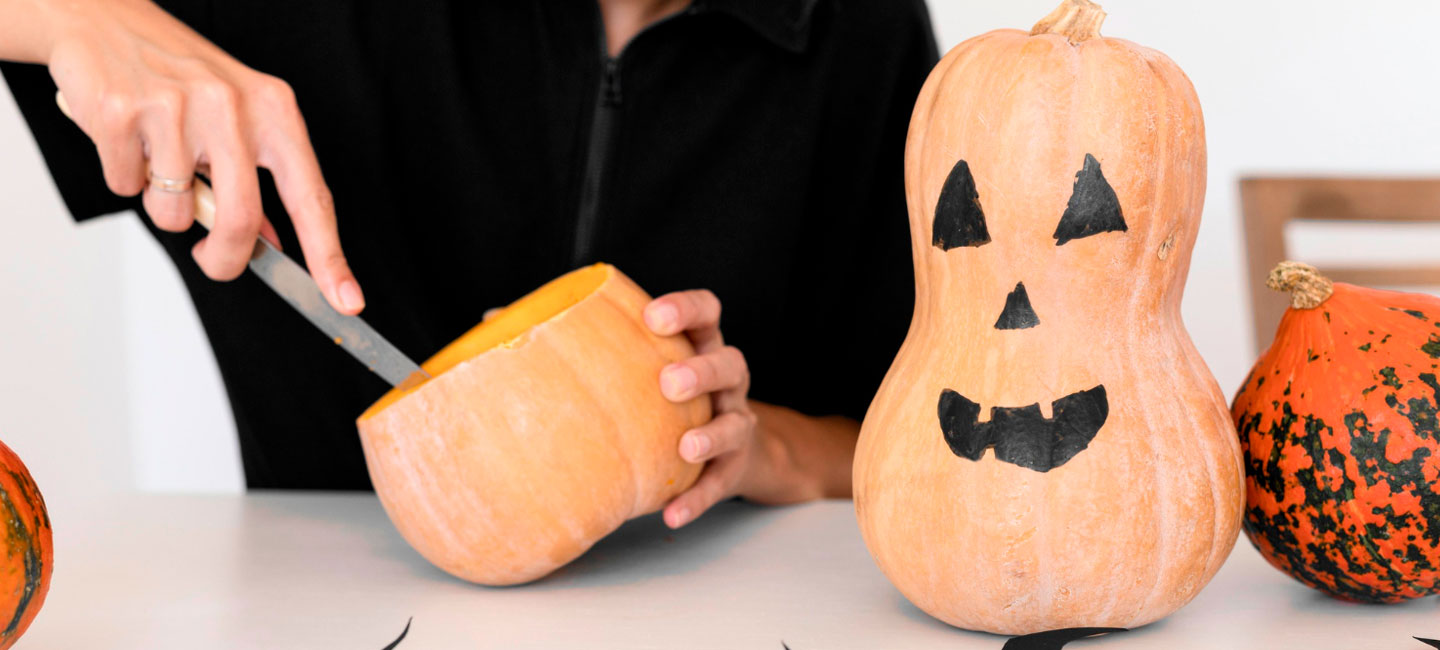
A tall pumpkin provides more room for an elongated face, while a wide, round pumpkin works well for a traditional jack-o’-lantern. If you’re planning an intricate pattern, choose a relatively smooth surface without deep ridges.
Your pumpkin-picking checklist:
- Flat base: The pumpkin sits upright without rolling or tipping.
- Suitable shape: Its proportions match your carving design.
- Smooth carving area: The surface has enough room for your pattern.
- Manageable size: You can lift, carry, and hollow it out comfortably.
- Firm exterior: The pumpkin has no obvious soft spots or damaged areas.
Worth knowing: A lighter pumpkin isn’t necessarily easier to carve. Weight alone doesn’t reliably indicate wall thickness. Choosing a variety intended for jack-o’-lanterns is a better starting point.
3. Check the Skin, Color, and Stem
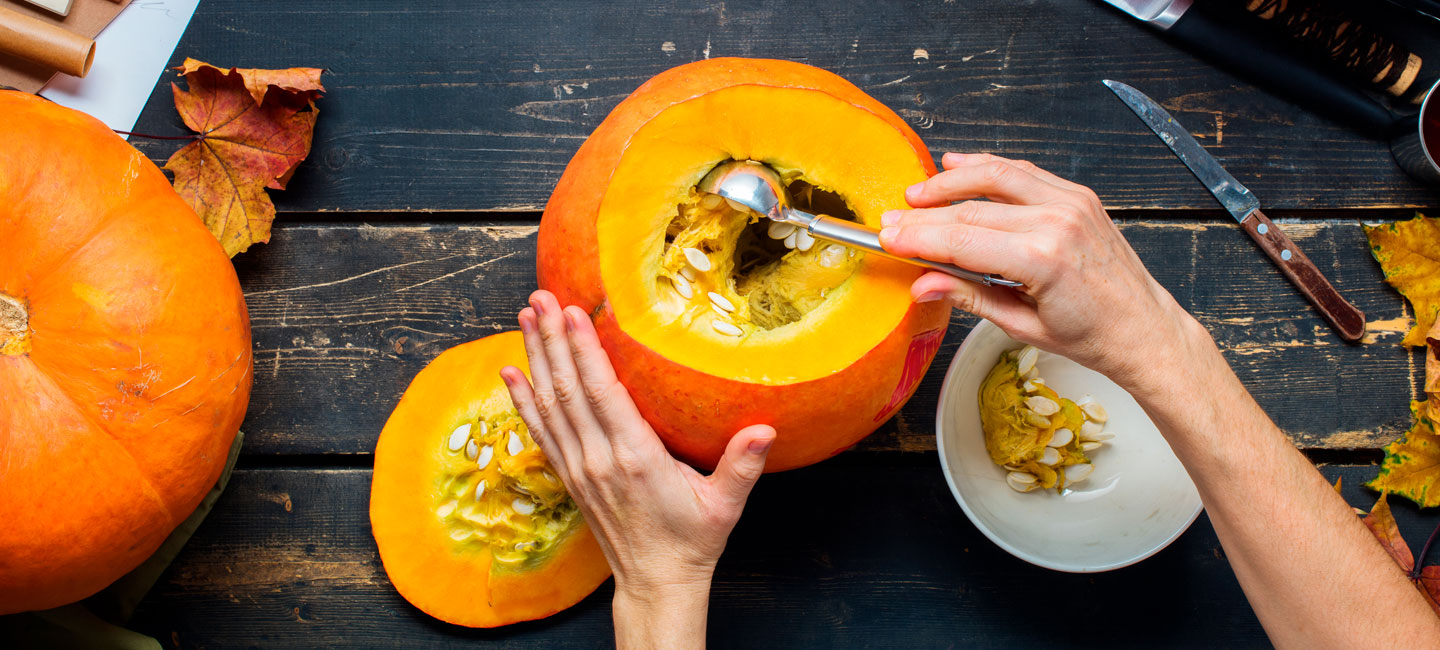
A pumpkin’s exterior offers several clues about its condition. Take a moment to inspect the entire surface, including the bottom, before buying.
| What to check | Good signs | Warning signs |
|---|---|---|
| Skin | Firm, intact surface | Soft spots, deep cuts, mold, or leaking areas |
| Color | Mature color typical of the variety | Unusual discoloration associated with soft or damaged areas |
| Stem | Firm, dry, corky, and securely attached | Soft, moldy, or badly damaged stem |
| Bottom | Dry, solid, and stable | Moisture damage, softness, or decay |
Minor surface marks aren’t necessarily a problem. However, broken skin can allow microorganisms to enter and accelerate decay.
Color also depends on the variety. While traditional orange pumpkins should generally have developed their characteristic mature color, white, green, and multicolored pumpkins can be perfectly ripe.
A dry, corky stem is another useful sign of maturity. An intact stem also improves the appearance of a decorative pumpkin.
4. How to Keep Your Pumpkin Fresh Until Halloween
A healthy pumpkin can remain in good condition for weeks when stored properly. Once carved, however, its exposed flesh begins losing moisture and becomes more vulnerable to mold and decay.
The best storage method depends on whether your pumpkin is whole or carved.
| Whole pumpkin | Carved pumpkin | |
|---|---|---|
| Where to keep it | Cool, dry, well-ventilated location | Cool, shaded location |
| Avoid | Freezing temperatures, wet surfaces, and excessive heat | Direct sunlight, heat, and excess moisture |
| Typical lifespan | Several weeks or longer under suitable conditions | Often just a few days, depending on weather |
| Best approach | Leave intact until you’re ready to carve | Carve shortly before Halloween |
If frost is expected, move outdoor pumpkins to a protected location. Freezing can damage their tissues and cause them to deteriorate more quickly after thawing.
When you’re ready to carve, remove the seeds and stringy pulp thoroughly. Keep the finished jack-o’-lantern out of direct sunlight whenever possible, and use a battery-operated LED light instead of a candle to avoid adding heat and the risk of an open flame.
The University of Illinois Extension recommends waiting until a few days before Halloween to carve your pumpkin.
The right pumpkin doesn’t have to be the biggest or the most perfectly shaped. It simply needs to be healthy, stable, and suited to your plans. A few careful checks before buying can make carving, decorating, or cooking much easier.
Share