How to Care for Kitchen Knives and Keep Them Sharp
How to Care for Kitchen Knives & Keep Them Sharp
A well-maintained kitchen knife is easier to control, requires less force to cut, and makes everyday prep more efficient. To keep your knives performing well, wash and dry them by hand, use a knife-friendly cutting board, avoid misusing the blade, hone the edge regularly, sharpen it when necessary, and store each knife properly.
The goal isn’t to sharpen your knives constantly. Good knife care is mostly about preventing unnecessary wear so the edge stays useful for as long as possible.
1. Wash and Dry Your Knives by Hand
Good knife care starts as soon as you finish cutting.
Wash kitchen knives with warm water, mild dish soap, and a soft sponge, then rinse and dry them thoroughly before storing them. Hand washing is generally the best routine for preserving both the blade and handle.
Even when a knife is dishwasher-safe, repeated dishwasher cycles can expose the blade to high temperatures, strong detergents, and contact with other utensils. Magefesa recommends hand washing its knives with mild soap and a soft sponge for regular care.
Don’t leave dirty knives sitting in the sink or soaking in water for long periods.
Once clean, dry the knife rather than leaving it wet on the draining board for extended periods.
2. Use a Knife-Friendly Cutting Board
The surface underneath your knife has a direct effect on how quickly the edge wears.
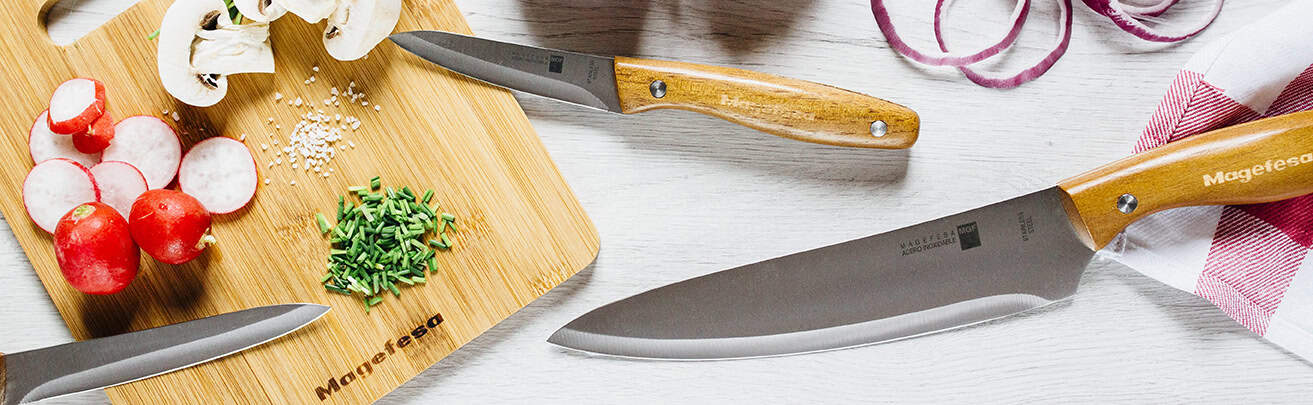
Wood and plastic cutting boards are good everyday choices because they provide a more forgiving surface for the blade.
Avoid routinely cutting directly on very hard surfaces such as glass, marble, granite, ceramic, metal trays, plates, or countertops. The repeated impact of the edge against a hard surface can make a sharp knife lose its cutting performance much more quickly.
The condition of the board matters too. Replace cutting boards that have become excessively worn, cracked, or difficult to clean.
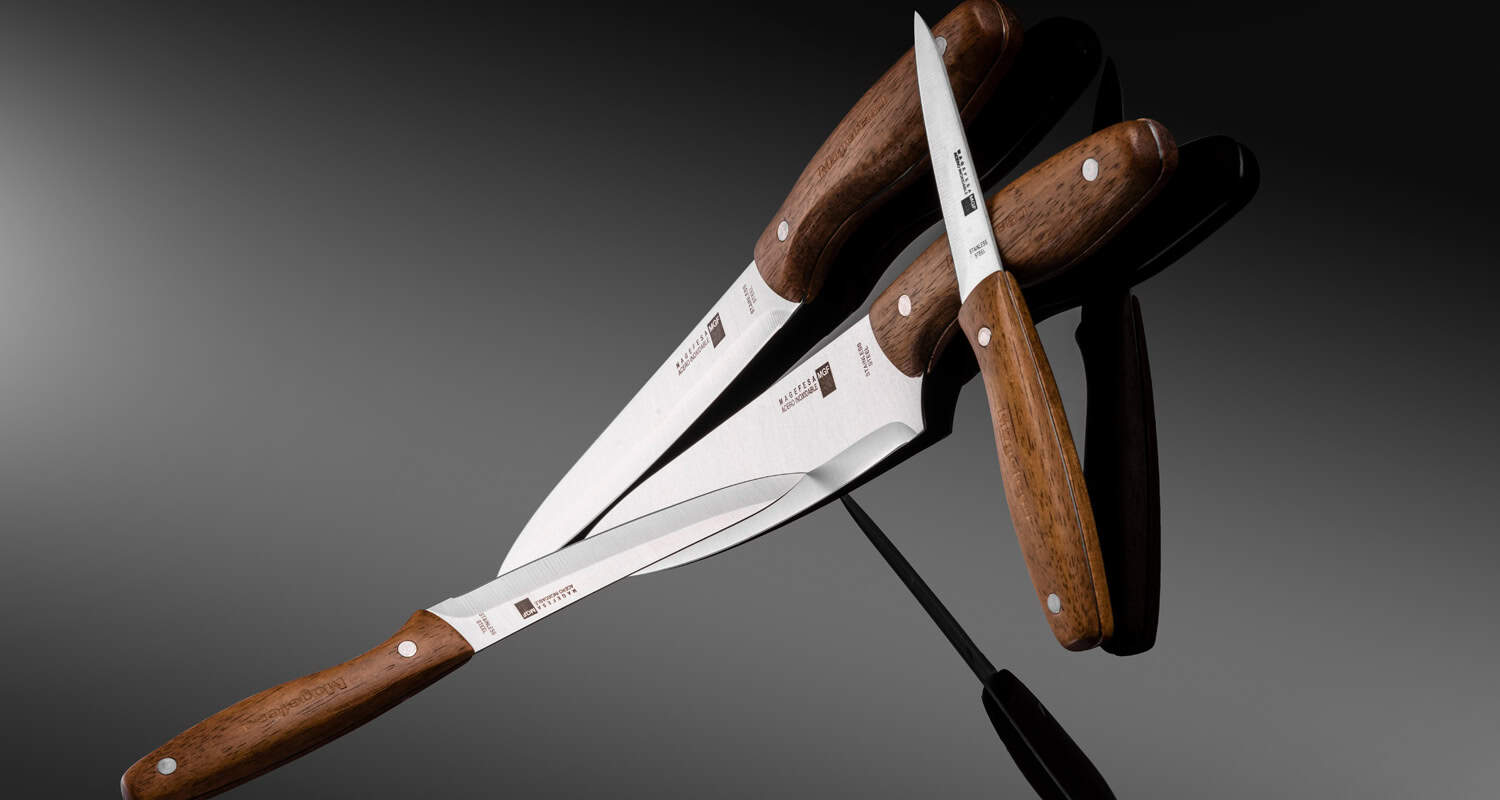
3. Use Your Knife Without Damaging the Edge
Kitchen knives are designed for cutting food, not for opening packages, cutting wire, prying open containers, or performing other household jobs.
Using a knife for the wrong task can damage the cutting edge or, in more extreme cases, the blade itself.
One particularly common habit is scraping chopped food across the cutting board with the sharp edge of the knife. Instead, turn the knife over and use the spine to move ingredients. This reduces unnecessary contact between the cutting edge and the board.
Avoid twisting or prying with the blade as well. If a task requires significant sideways force, you’re probably asking the knife to do something it wasn’t designed to do.
4. Know the Difference Between Honing and Sharpening
Honing and sharpening aren’t the same thing, even though the terms are often used interchangeably.
| Maintenance | What it does | When to use it |
|---|---|---|
| Honing | Helps maintain or realign the existing edge | Regular maintenance when cutting performance begins to decline |
| Sharpening | Removes a small amount of blade material to create a fresh edge | When honing no longer restores cutting performance |
A honing steel is therefore a maintenance tool rather than a substitute for sharpening.
How often you need either process depends on the knife, blade material, how frequently you use it, your cutting technique, and the surfaces you cut on. There’s no useful universal rule such as sharpening every three or six months.
Pay attention to how the knife actually performs instead.
When using a honing steel, work carefully and follow the angle recommended for your knife rather than assuming that every blade should be maintained at the same angle.
5. Sharpen Your Knives When They Need It
Eventually, every frequently used kitchen knife will need sharpening.
A whetstone gives you considerable control over the sharpening process and can produce an excellent edge, but it requires some practice to maintain a consistent angle.
It isn’t the only reasonable option. Depending on the knife and your level of experience, an appropriate manual sharpener or professional sharpening service may be more convenient.
Whichever method you choose, follow the knife manufacturer’s recommendations. Avoid removing more material than necessary simply to make the blade feel extremely sharp.
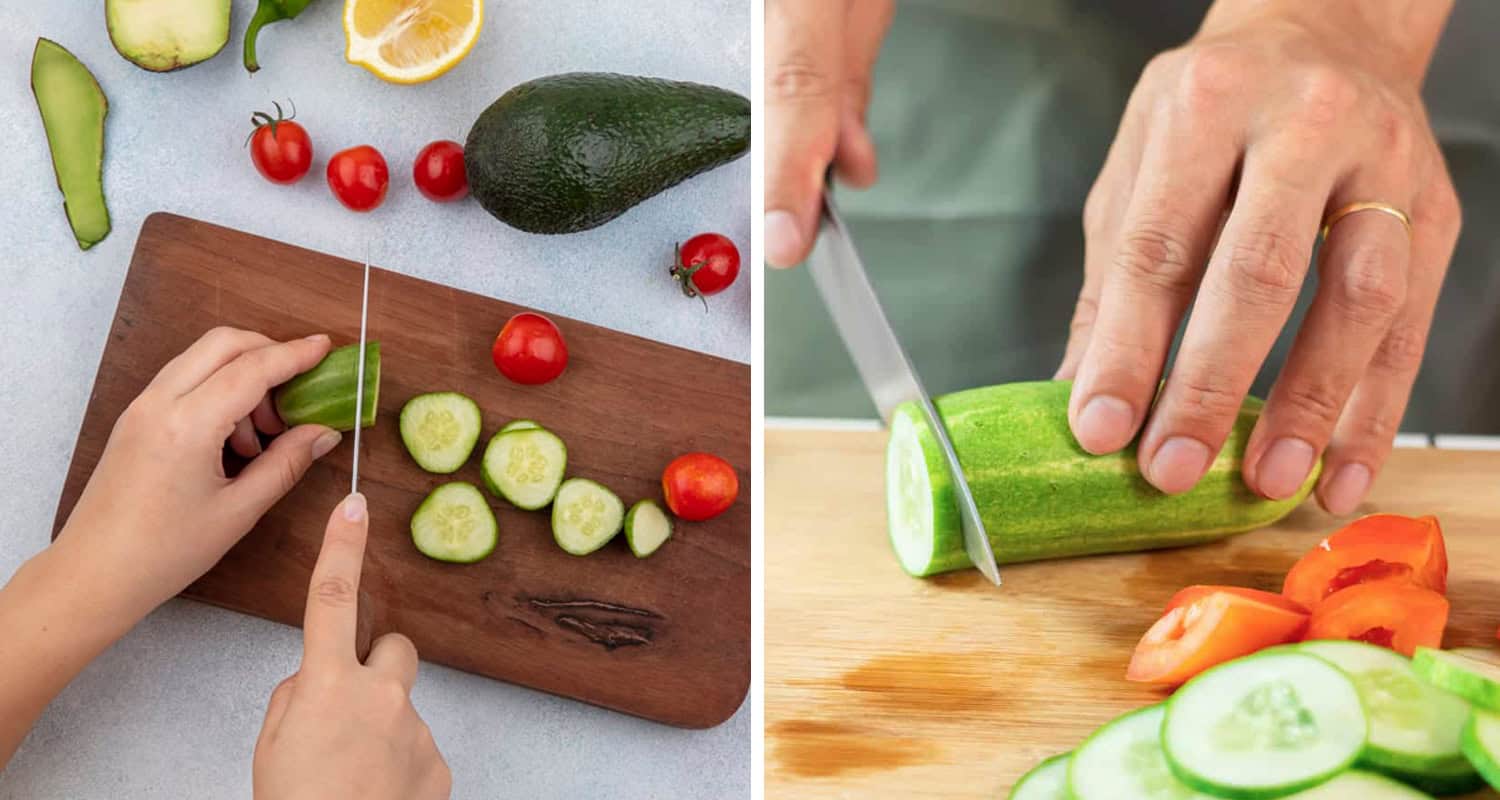
How can you tell when a knife needs attention?
Pay attention to everyday cutting performance. A knife that once sliced cleanly but now requires noticeably more pressure is telling you something.
A ripe tomato provides a simple check. A properly maintained chef’s knife should be able to break the skin and slice through it without excessive downward pressure.
If the knife struggles, try honing first. If that doesn’t restore its performance, it may be time to sharpen.
6. Store Kitchen Knives Without Damaging the Blades
Throwing kitchen knives loose into a utensil drawer is bad for both the knives and your fingers.
When blades repeatedly strike other metal utensils, their edges can become damaged. Loose knives are also harder to retrieve safely.
Better storage options include:
- A knife block
- A magnetic knife strip or holder
- An in-drawer knife organizer
- Individual blade guards or sheaths
Whichever method you choose, the goal is the same: keep the cutting edge protected and prevent the blade from striking other utensils.
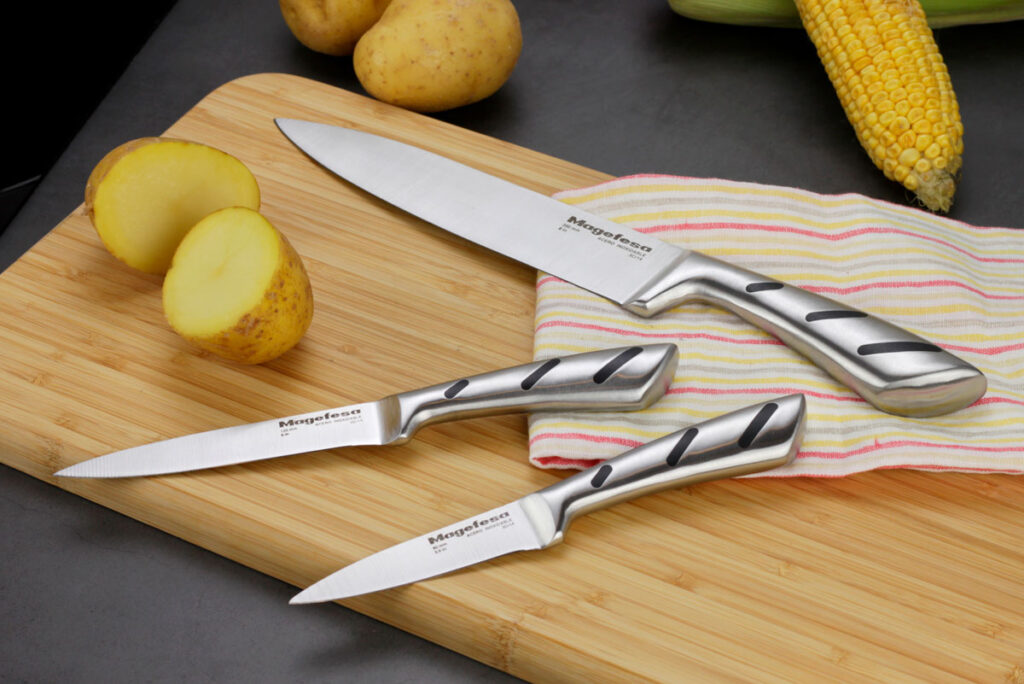
For example, the Magefesa Blade 6 Piece Cooking Knife Block Set combines stainless steel kitchen knives with a dedicated hardwood block, keeping the knives organized and the blades separated from other kitchen tools.
If you already own individual knives rather than a set, there’s no need to replace them simply to improve storage. A suitable magnetic holder, drawer organizer, or individual blade guards can solve the same problem.
Frequently Asked Questions about Kitchen Knives
Share