How to Care for Nonstick Cookware and Protect the Coating
How to Care for Nonstick Cookware
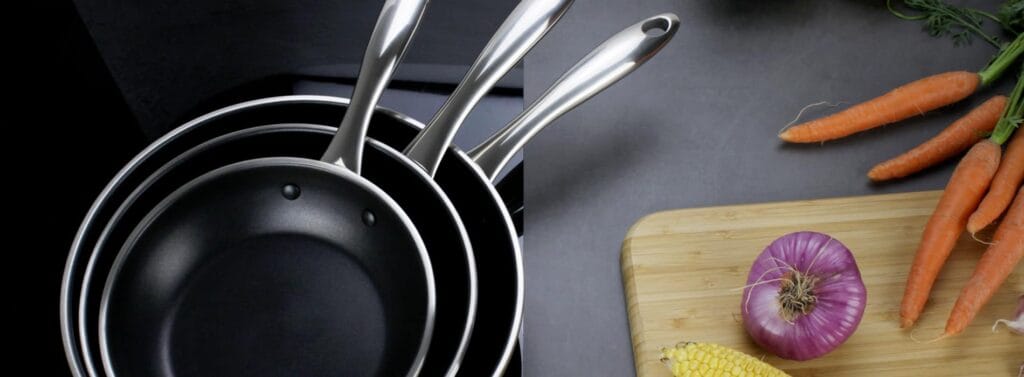
Proper nonstick cookware care comes down to a few simple habits: avoid excessive heat, use non-metal utensils, let pans cool before washing, and clean them with mild soap and a soft sponge.
Following these steps helps protect the nonstick coating, makes cleanup easier, and keeps your MAGEFESA cookware performing well for longer.
How to Prepare Nonstick Cookware Before First Use
Before using new nonstick cookware, remove all labels and stickers. Lift a corner carefully with a non-metallic utensil rather than using a knife or other sharp object that could scratch the surface.
If adhesive residue remains, a small amount of rubbing alcohol can help remove it.
Next, wash the cookware with warm water, mild dish soap, and a soft sponge or non-abrasive cleaning pad.
For frying pans and sauté pans, add a small amount of oil and heat over low heat for a couple of minutes. Remove the oil, allow the pan to cool, and wash it again.
For pots, fill approximately three-quarters of the pot with water and boil for 20–30 minutes. Discard the water and wash the pot again.
Rinse thoroughly and dry with a soft cloth or paper towel. Drying cookware after washing also helps prevent mineral deposits and water spots.
How to Cook Without Damaging the Nonstick Coating
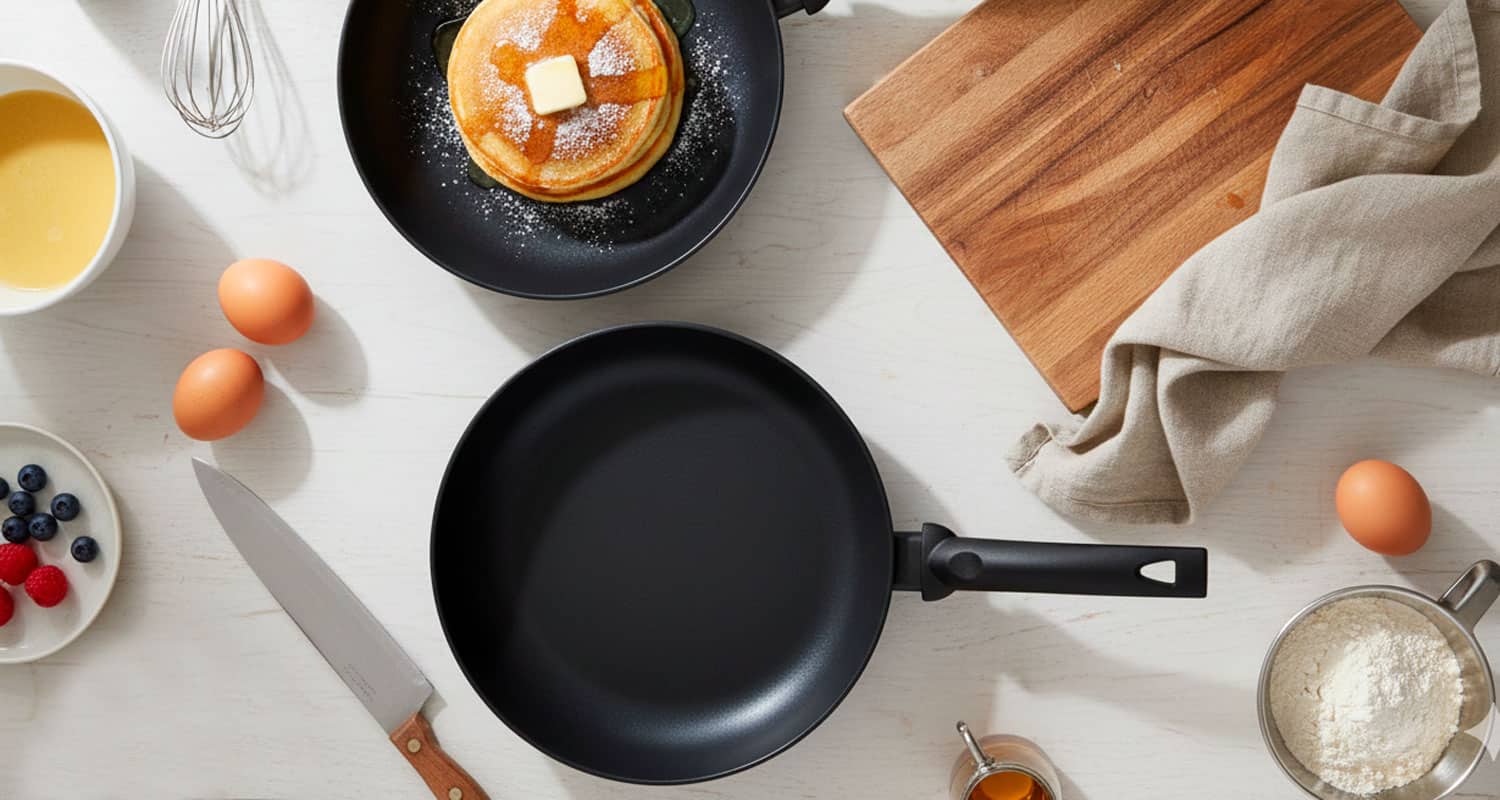
How you cook has a major effect on the lifespan of a nonstick pan.
Avoid heating nonstick cookware while it is empty. Add oil, water, stock, or food before heating the pan, and use low to medium heat for most everyday cooking.
Match the burner or heating element to the base of the cookware. On a gas stove, flames should remain underneath the pan rather than extending around the sides.
Utensils matter, too. Wood, silicone, nylon, and other non-metal utensils are better choices for nonstick cookware because they are less likely to scratch the cooking surface.
Never chop or cut food directly inside a nonstick frying pan or pot.
For everyday cleaning, first allow your nonstick cookware to cool. Then wash it with warm water, mild dish soap, and a soft sponge or non-abrasive pad.
Avoid steel wool, metal scrubbers, abrasive cleaning pads, and harsh cleaners. Even if they remove food quickly, they can damage the nonstick surface.
If food residue does not come away easily, do not scrape it off. Let the pan soak in warm soapy water for a few minutes before cleaning it gently.
For more stubborn residue, warm water with a little vinegar or lemon juice can be left in the cooled pan for about 15 minutes before washing normally.
Rinse well and dry thoroughly with a soft cloth or paper towel.
Can Nonstick Cookware Go in the Dishwasher?
MAGEFESA nonstick cookware may be dishwasher safe depending on the specific product, but hand washing is recommended whenever possible.
Dishwasher detergents can be more aggressive than regular hand washing soap. Cookware can also experience repeated friction and contact with other items during a dishwasher cycle.
For routine nonstick cookware care, washing with warm water, mild soap, and a soft sponge is the gentler option and helps preserve both the cooking surface and exterior finish.
Always check the care instructions for your specific MAGEFESA product before putting it in the dishwasher.
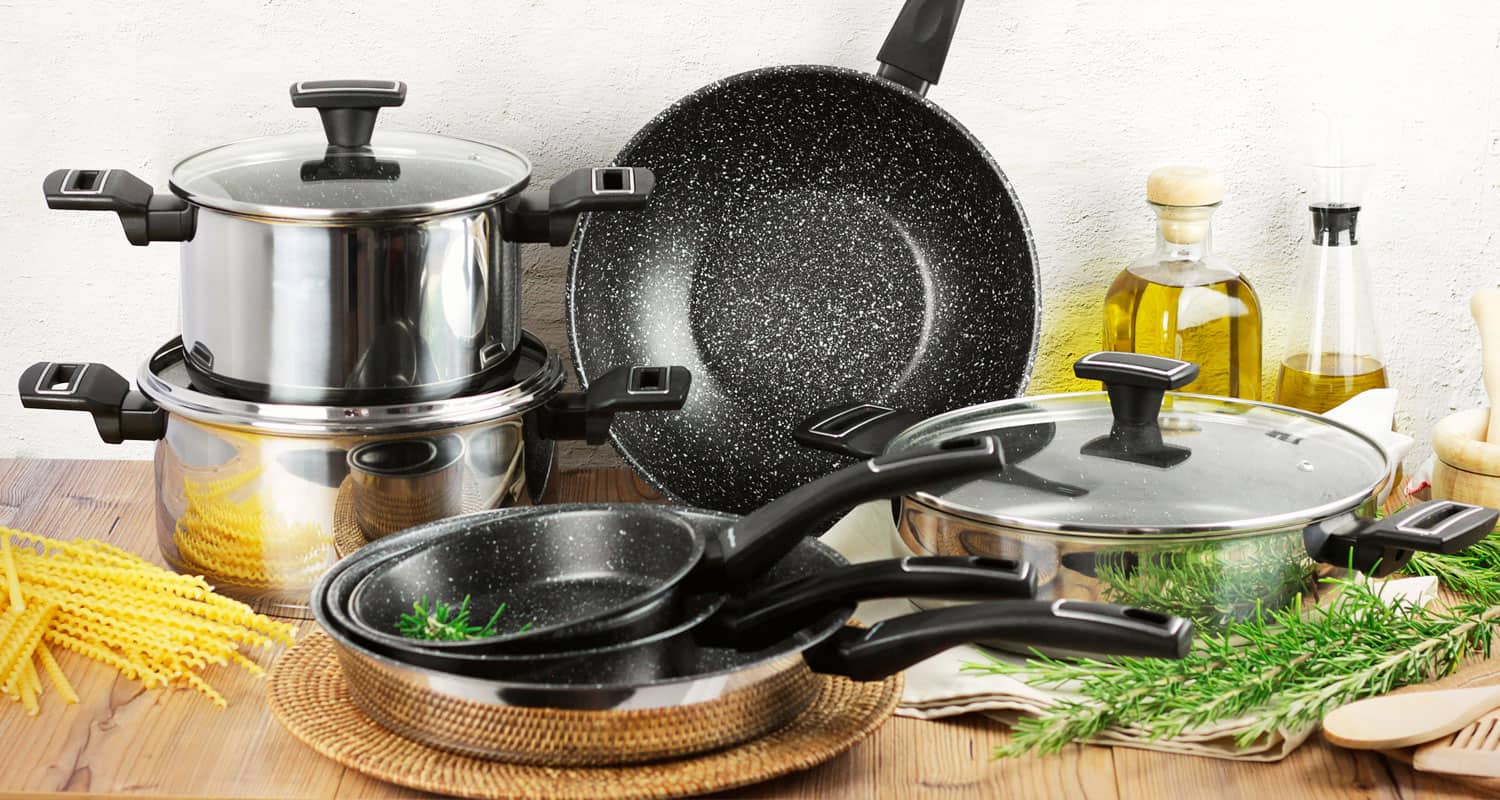
How to Store Nonstick Pots and Pans
Proper storage is another easy way to protect a nonstick coating.
Avoid storing knives, forks, metal utensils, or other sharp objects inside nonstick cookware. If you stack frying pans or pots, direct contact between the pieces can also cause scratches.
Place a soft pan protector, clean kitchen towel, or similar non-abrasive barrier between stacked pieces.
Make sure cookware is completely clean and dry before storing it.
Common Mistakes That Damage Nonstick Cookware
Most premature wear comes from everyday habits rather than a single cooking session. To help your nonstick cookware last longer, avoid:
- Heating an empty pan.
- Regularly cooking over excessively high heat.
- Using metal utensils on the nonstick surface.
- Cutting food directly inside the pan.
- Cleaning with steel wool or abrasive pads.
- Using harsh or corrosive cleaning products.
- Placing a hot pan directly into cold water.
- Stacking cookware without protecting the cooking surface.
With consistent care, these small steps help preserve the easy food release and simple cleanup that make nonstick cookware so useful for everyday cooking.
Frequently Asked Questions about Aluminum Cookware
Share