Sustainable Cookware Trends: Eco-friendly choices
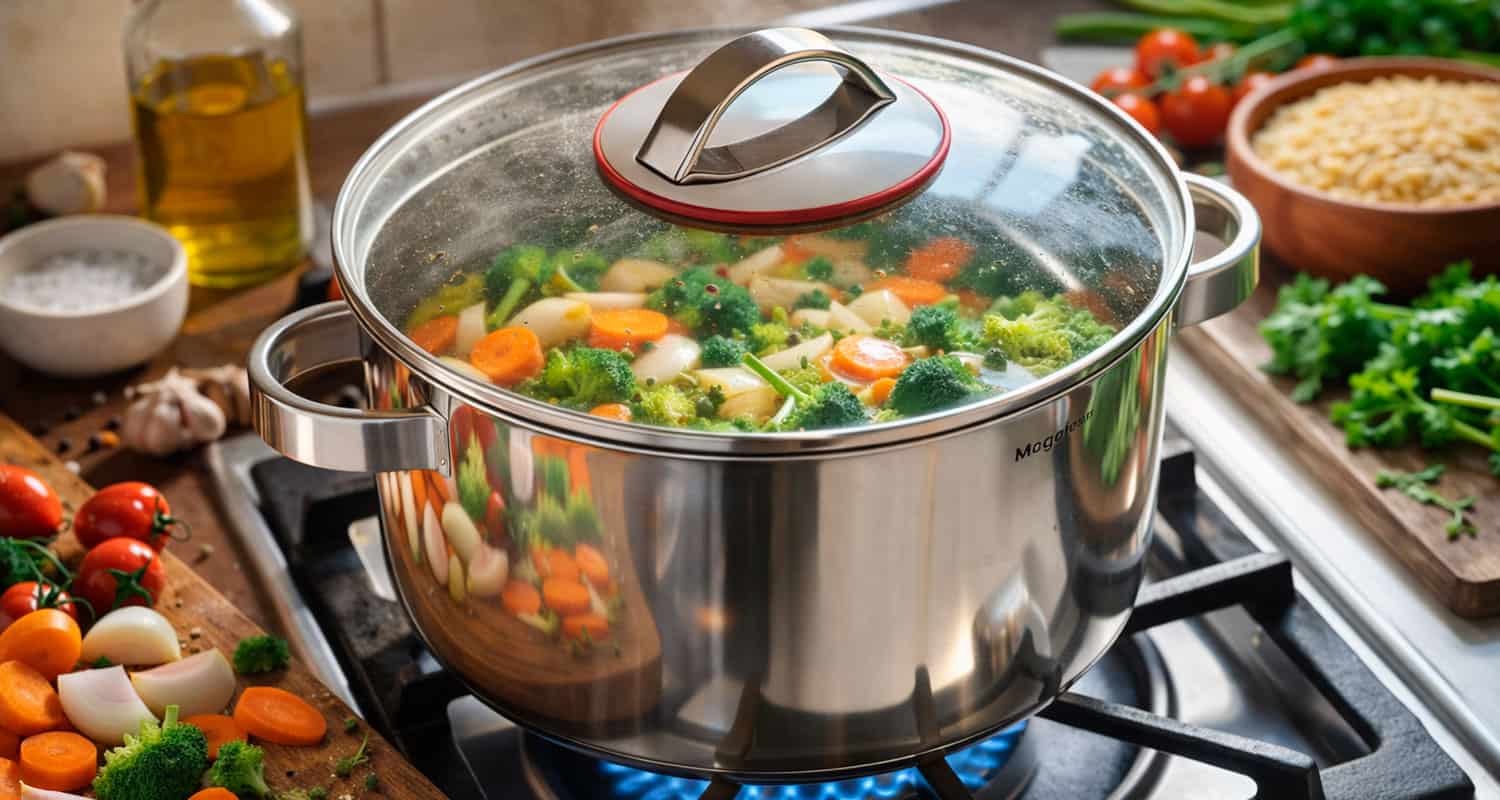
Choosing truly sustainable cookware feels overwhelming when every brand claims to be green. Between recycled materials, non-toxic coatings, and durability promises, how do you separate genuine eco-friendly options from greenwashing? This guide cuts through the noise with clear evaluation criteria and material comparisons for 2026. You’ll discover which cookware materials deliver real environmental benefits, how to assess health safety and longevity, and practical tips to build a kitchen that supports both your cooking goals and the planet. Whether you’re replacing worn pans or starting fresh, these insights help you invest in cookware that lasts.
Table of Contents
- How To Evaluate Sustainable Cookware: Key Criteria For Home Cooks
- Top Sustainable Cookware Materials In 2026: Pros And Cons
- Comparing Sustainable Cookware Materials: Environmental Impact And User Considerations
- Choosing The Right Sustainable Cookware For Your Kitchen In 2026
- Explore Sustainable Cookware Collections And Kitchen Essentials At Magefesa Usa
Key takeaways
| Point | Details |
|---|---|
| Top sustainable materials | Recycled stainless steel, cast iron, and ceramic variants lead for eco-conscious kitchens in 2026. |
| Durability beats trends | Long-lasting cookware reduces waste far more effectively than short-lived alternatives marketed as green. |
| Health safety matters | PFAS-free, non-toxic materials protect your family while supporting environmental goals. |
| Beware greenwashing | Research material sourcing and lifecycle claims before trusting sustainability marketing. |
| US market growth | Rising demand for non-toxic, sustainable cookware reflects health-conscious consumer priorities. |
How to evaluate sustainable cookware: key criteria for home cooks
Sustainable cookware goes beyond trendy labels. You need a practical framework to assess real environmental impact and long-term value. Four key criteria separate genuinely eco-friendly options from marketing hype: material sustainability, durability and longevity, health and safety, and end-of-life recyclability.
Material sustainability examines where raw materials come from and how they’re processed. Recycled stainless steel, cast iron, and ceramic rank highest because they minimize new resource extraction. Manufacturing energy matters too, but prioritizing longevity reduces waste more than choosing new materials marketed as green.
Durability and longevity directly impact environmental footprint. Cast iron skillets can serve families for generations, eliminating replacement cycles entirely. Stainless steel lasts decades with basic care. Short-lived options create waste regardless of production claims. Every year you extend cookware life prevents manufacturing emissions and landfill contributions.
Health and safety protect both your family and the environment. Avoid PFAS and PTFE coatings that release toxins during cooking and persist in ecosystems. Inert materials like stainless steel, cast iron, and pure ceramic eliminate chemical exposure risks. Non-toxic choices prevent harmful substances from entering food chains and water systems.
Recyclability determines what happens when cookware finally wears out. Stainless steel achieves 100% recyclability, returning to manufacturing streams indefinitely. Cast iron melts down for reuse. Ceramic presents challenges because mixed materials complicate recycling. Factor disposal options into purchase decisions to close the sustainability loop.
Pro Tip: Invest in proper cookware maintenance to extend lifespan and reduce environmental impact through simple cleaning and storage practices.
Top sustainable cookware materials in 2026: pros and cons
Understanding specific material properties helps you match cookware to your cooking style and sustainability priorities. Key sustainable materials for 2026 include recycled stainless steel, cast iron, ceramic-coated, and pure ceramic, each offering distinct advantages and trade-offs.
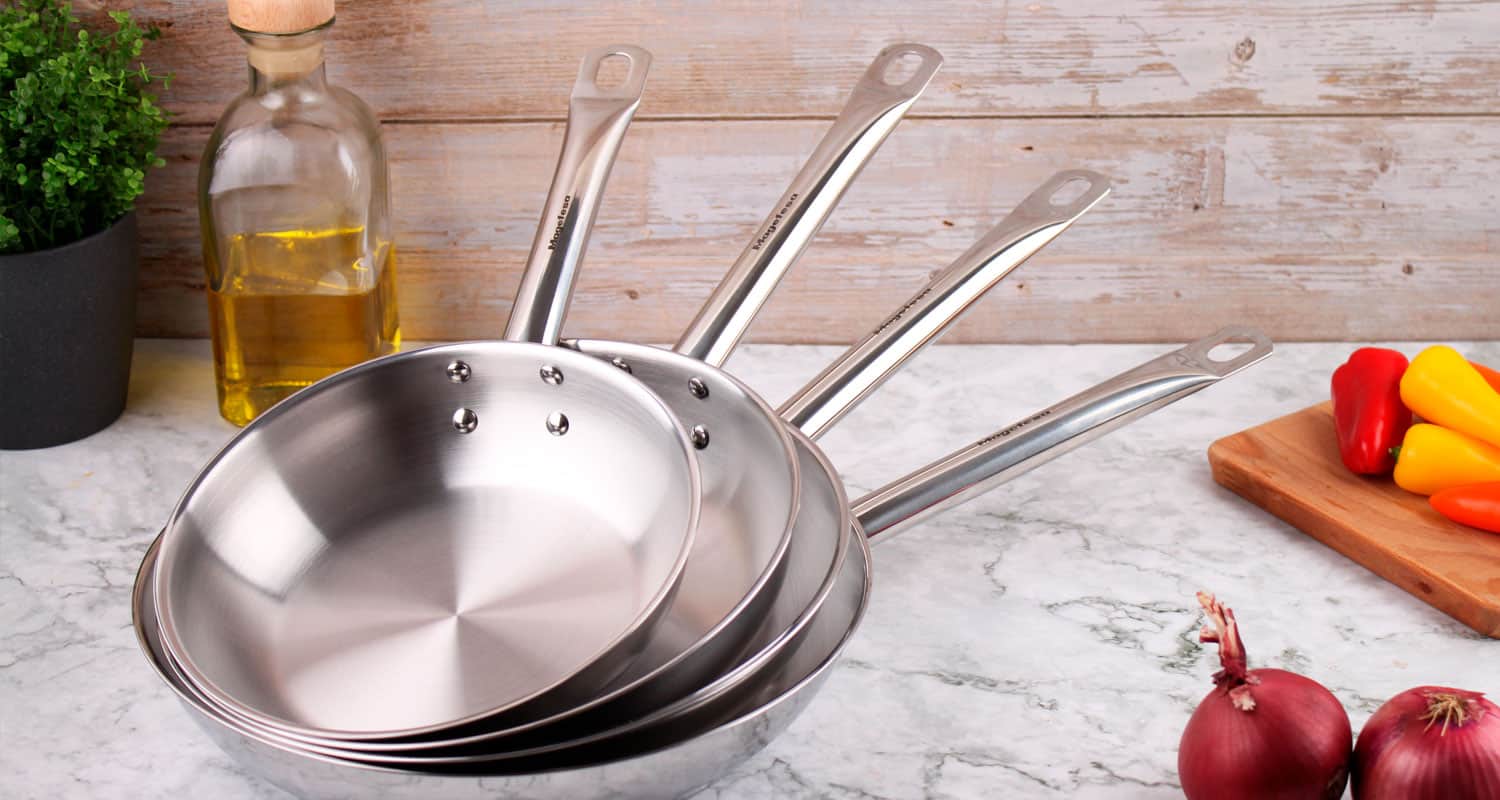
Recycled stainless steel delivers exceptional durability and complete recyclability. It resists corrosion, handles high heat, and works on all cooktops including induction. Some worry about nickel content, but trace amounts pose minimal risk for most people. This material balances performance with environmental responsibility beautifully. Lifespan reaches 20 to 30 years with routine care, making it a smart long-term investment.
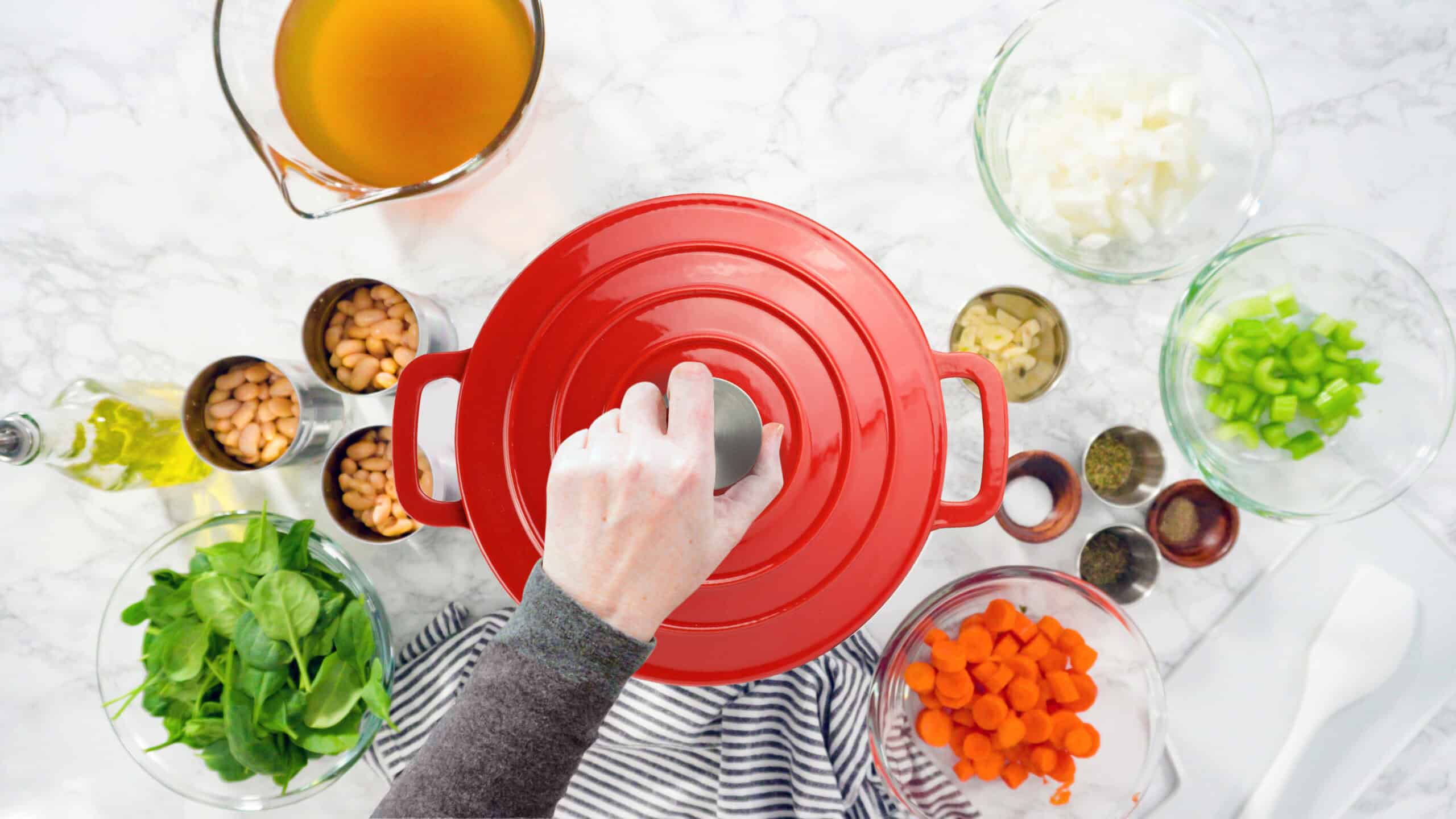
Cast iron offers the longest lifespan of any cookware material, potentially lasting centuries when properly maintained. It retains heat brilliantly, adds trace iron to foods, and develops natural non-stick properties through seasoning. Weight and maintenance requirements deter some cooks. You must season regularly and dry thoroughly to prevent rust. Despite these demands, cast iron’s durability makes it incredibly sustainable.
Ceramic-coated cookware features metal bases with ceramic non-stick surfaces. Production creates lower environmental impact than traditional non-stick coatings, and materials remain non-toxic during cooking. However, ceramic chips easily if dropped and degrades faster than uncoated options. Lifespan typically ranges from 3 to 5 years, requiring more frequent replacement than stainless or cast iron.
Pure ceramic cookware uses clay-based materials fired at high temperatures. Manufacturing avoids synthetic chemicals, appealing to eco-conscious cooks. Fragility remains the biggest drawback. Ceramic cracks under thermal shock and breaks if dropped. Heat tolerance limits prevent use on high settings or with metal utensils. Expect 5 to 7 years of careful use before replacement becomes necessary.
| Material | Lifespan | Recyclability | Key Advantages | Main Drawbacks |
|---|---|---|---|---|
| Recycled Stainless Steel | 20-30 years | 100% recyclable | Durable, versatile, induction-compatible | Trace nickel in acidic foods |
| Cast Iron | 50+ years | Fully recyclable | Extreme longevity, heat retention, adds iron | Heavy, requires seasoning |
| Ceramic-Coated | 3-5 years | Limited | Non-toxic, lower production impact | Fragile coating, shorter lifespan |
| Pure Ceramic | 5-7 years | Difficult | Chemical-free production | Brittle, limited heat tolerance |
Explore cast iron cookware benefits and stainless steel features to understand how these materials perform in real kitchens.
Comparing sustainable cookware materials: environmental impact and user considerations
Environmental impact extends beyond initial production. Total lifecycle assessment reveals which materials truly support sustainability goals. Production energy, raw material sourcing, and recyclability combine to determine long-term environmental costs.
Production energy varies significantly across materials. Stainless steel and cast iron require high heat for manufacturing but offset this through decades of use. Ceramic production uses lower temperatures but frequent replacement cycles accumulate environmental costs. Ceramic appears eco-friendly short-term but replacement waste undermines initial advantages compared to uncoated options with superior longevity and recyclability.
Raw material sourcing matters for true sustainability. Recycled stainless steel diverts waste from landfills and reduces mining impacts. Virgin stainless and cast iron require ore extraction. Ceramic uses abundant clay but processing chemicals vary by manufacturer. Research brand transparency about material origins and processing methods.
Recyclability determines end-of-life environmental impact. Metals return to manufacturing streams efficiently. Ceramic and coated cookware face recycling challenges due to mixed materials and contamination concerns. Choose materials that close the loop when replacement becomes inevitable.
Health safety concerns drive many sustainable cookware purchases. PFAS-free materials eliminate toxic exposures that harm both families and ecosystems. Uncoated stainless steel and cast iron provide completely inert cooking surfaces. Pure ceramic avoids synthetic chemicals entirely. Stainless steel may leach trace nickel in acidic foods, but amounts remain safe for most people.
User considerations affect real-world sustainability. Heavy cast iron challenges some cooks, leading to underuse or abandonment. Fragile ceramic requires careful handling that doesn’t suit busy kitchens. Maintenance demands influence whether cookware reaches its potential lifespan. Match material properties to your actual cooking habits for maximum environmental benefit.
| Factor | Recycled Stainless | Cast Iron | Ceramic-Coated | Pure Ceramic |
|---|---|---|---|---|
| Production Impact | Moderate | High | Low | Low |
| Longevity | Excellent | Outstanding | Fair | Good |
| Recyclability | Complete | Complete | Limited | Difficult |
| Weight | Medium | Very Heavy | Light to Medium | Medium |
| Maintenance | Low | Moderate | Low | Moderate |
| Heat Compatibility | All sources | All sources | Low to medium | Low to medium |
Pro Tip: Beware greenwashing by researching brands’ material sourcing and lifecycle claims through third-party certifications and transparent supply chain information.
Discover essential cookware types to build a versatile sustainable kitchen, and explore comprehensive eco-friendly cookware guidance for additional perspectives.
Choosing the right sustainable cookware for your kitchen in 2026
Selecting sustainable cookware requires matching material properties to your specific needs. Follow these steps to make informed decisions that support both cooking performance and environmental goals.
Assess your cooking habits and heat preferences. High-heat searing demands cast iron or stainless steel. Gentle simmering works well with ceramic options. Frequent cooking justifies investing in durable materials that withstand daily use.
Consider your budget and willingness to invest in quality. Premium stainless steel and cast iron cost more upfront but eliminate replacement expenses for decades. Ceramic-coated options offer lower entry prices but require replacement every few years, increasing long-term costs.
Match material properties to specific uses. Cast iron excels for slow cooking, braising, and oven-to-table dishes. Stainless steel provides versatility across cooking methods. Ceramic suits low to medium heat applications like eggs and delicate sauces.
Prioritize health-safe, PFAS-free options. Growing US cookware market demand reflects health concerns over toxic coatings. Choose materials that protect your family while supporting environmental values.
Commit to proper maintenance to maximize lifespan. Season cast iron regularly. Hand wash ceramic coatings. Use appropriate utensils to prevent surface damage. Small care investments multiply sustainability benefits exponentially.
Budget alternatives and premium picks both support sustainability when chosen wisely. Entry-level cast iron performs identically to expensive brands after proper seasoning. Mid-range stainless steel from reputable manufacturers lasts as long as luxury options. Focus on material quality over brand prestige.
Buying from brands with buy-back or recycling programs extends sustainability beyond your kitchen. Some manufacturers reclaim old cookware for recycling or refurbishment. These programs close the loop and demonstrate genuine environmental commitment beyond marketing claims.
Pro Tip: Combine materials to optimize versatility and sustainability. Pair cast iron for high-heat cooking with stainless steel for everyday tasks and ceramic for delicate preparations. Mixed material sets reduce the temptation to buy specialized single-use items.
Explore pressure cooker selection tips for additional sustainable cooking solutions that reduce energy use and cooking time.
Explore sustainable cookware collections and kitchen essentials at Magefesa USA
Ready to build a sustainable kitchen with cookware that lasts? Magefesa USA offers high-quality collections designed for durability and environmental responsibility. With a heritage dating back to 1948, Magefesa combines traditional craftsmanship with modern sustainability standards.
The Onix cookware collection features PFOA-free nonstick surfaces that eliminate toxic chemical concerns while delivering excellent cooking performance. These pieces balance convenience with health safety for everyday cooking.
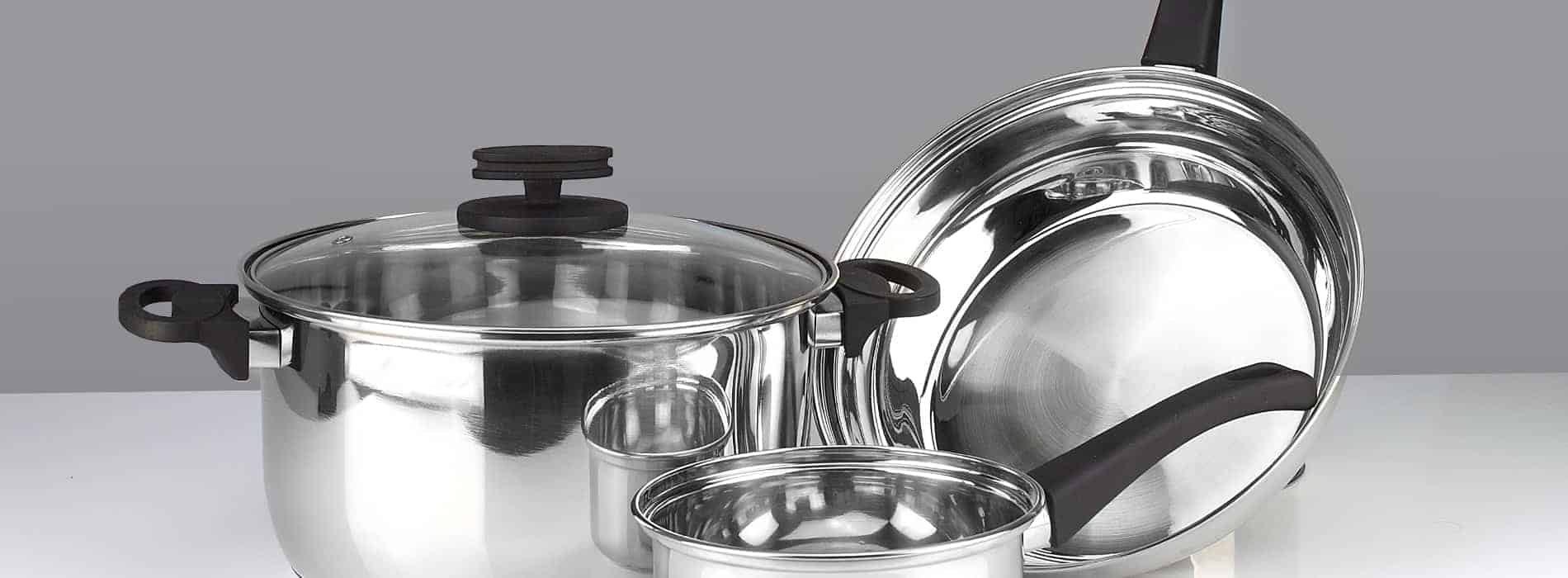
For maximum longevity, the Magefesa Style stainless steel cookware set provides versatile, durable options built to serve your kitchen for decades. Stainless steel’s complete recyclability ensures responsible end-of-life disposal when replacement eventually becomes necessary.
Looking for sustainable gifts? Browse kitchen product gift ideas to share eco-conscious cooking tools with friends and family. Quality cookware makes a lasting impression while supporting environmental values. Explore Magefesa’s collections today to discover sustainable solutions that enhance your cooking and protect the planet.
FAQ
What metals are best for sustainable cookware?
Recycled stainless steel and cast iron rank highest for sustainability due to exceptional durability and complete recyclability. Both materials avoid toxic coatings and last decades or generations with proper care. Stainless steel cookware offers versatility across cooking methods while maintaining environmental responsibility.
Are ceramic cookware pieces truly eco-friendly?
Ceramic cookware features lower production impact but shorter lifespan increases replacement waste over time. Fragility and limited recyclability reduce overall sustainability compared to metal options. Consider longevity when evaluating eco-friendliness, as frequent replacement undermines initial environmental advantages. Cast iron alternatives provide superior long-term sustainability.
How can I tell if cookware is truly non-toxic and sustainable?
Look for transparent material sourcing and third-party certifications from manufacturers. Avoid PFAS and PTFE coatings, favoring uncoated stainless steel, cast iron, or ceramic alternatives instead. Check whether brands offer recycling or buy-back programs demonstrating lifecycle responsibility. Research cookware maintenance practices to extend lifespan and maximize environmental benefits.
Does sustainable cookware perform as well as conventional options?
Sustainable materials often outperform conventional cookware in heat retention, durability, and versatility. Cast iron and stainless steel handle higher temperatures than most non-stick coatings. Proper technique and maintenance unlock superior cooking results while eliminating health concerns from toxic chemicals. Performance improves with use as cast iron develops natural non-stick properties.
How much should I invest in sustainable cookware?
Invest based on expected lifespan rather than upfront cost alone. Quality stainless steel and cast iron cost more initially but eliminate replacement expenses for 20 to 50 years or longer. Calculate cost per year of use to reveal true value. Budget options in durable materials outperform expensive cookware requiring frequent replacement.

