Step by Step Cookware Maintenance for Lasting Quality
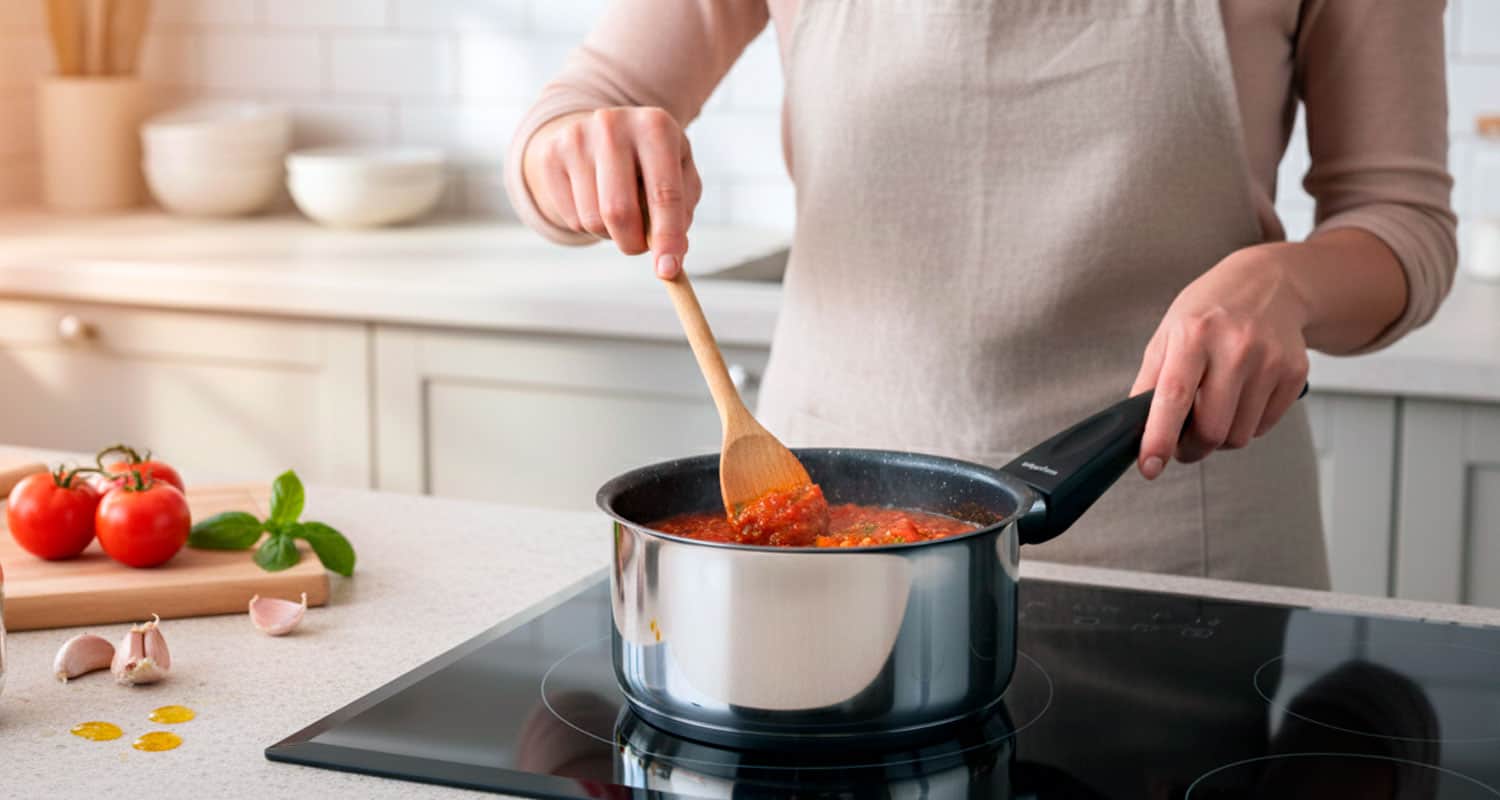
You pull out your favorite skillet for dinner, only to spot scratches or stains that threaten its performance. Quality cookware is a big investment for home cooks across North America, and keeping it in top shape pays off every time you cook. With some careful cleaning routines and the right tools for each material, you can avoid costly damage, enjoy safer meals, and extend the life of your pans for years to come.
Table of Contents
- Step 1: Gather Essential Cleaning Tools And Supplies
- Step 2: Clean Surfaces With The Recommended Methods
- Step 3: Remove Stubborn Stains And Residues Safely
- Step 4: Inspect Cookware For Damage Or Wear
- Step 5: Store Cookware For Optimal Longevity
Quick Summary
| Key Point | Explanation |
|---|---|
| 1. Use proper cleaning tools | Gather soft sponges, microfiber cloths, and specific cleaning agents to match your cookware material and avoid damage. |
| 2. Follow correct cleaning methods | Start with dry cleaning, then soak and scrub with warm, soapy water to effectively remove residue while preserving your cookware’s integrity. |
| 3. Address stubborn stains carefully | Use gentle solutions like baking soda paste or vinegar to tackle tough stains, avoiding harsh chemicals that can damage your cookware. |
| 4. Regularly inspect for damage | Check cookware for scratches, rust, and loose handles to ensure safety and performance, replacing items as necessary to prevent health risks. |
| 5. Store cookware properly | Ensure cookware is completely dry and use protective barriers when stacking to prevent scratches and corrosion over time. |
Step 1: Gather essential cleaning tools and supplies
Before you start cleaning your cookware, you need the right tools on hand. Having the proper supplies prevents damage and makes the whole process faster and more effective. Think of this step as laying the foundation for cookware that lasts decades instead of years.
Start by understanding your cookware material because different surfaces require different approaches. Non-stick pans demand gentleness, while stainless steel can handle more aggressive scrubbing. Cast iron needs completely different care than aluminum. Proper cleaning supplies specific to your cookware material protect against scratches, discoloration, and performance loss. Always check your owner’s manual first, which outlines exactly what works best for your specific pans.
Stock your cleaning kit with soft items first. Grab microfiber cloths, soft sponges, and dish brushes with nylon bristles. These gentle tools handle regular cleaning without creating microscopic scratches that can lead to bigger problems later. For non-stick cookware especially, skip the steel wool and abrasive scouring pads that will destroy the coating in minutes.
Next, add your cleaning agents. A quality dish soap handles most everyday cleaning, but you may need white vinegar for mineral deposits or baking soda for stubborn residue. Non-scratch scouring pads work well for aluminum when you encounter baked-on food. Having these options means you can match your cleaning method to whatever mess you’re facing.
Here’s a quick reference for cleaning different cookware materials:
| Cookware Material | Recommended Cleaning Tool | Key Cleaning Agent |
|---|---|---|
| Nonstick | Soft sponge or cloth | Mild dish soap |
| Stainless Steel | Nylon brush or soft sponge | Baking soda or vinegar |
| Cast Iron | Soft cloth or brush | Baking soda paste |
| Aluminum | Non-scratch scouring pad | Dish soap or vinegar |
One often-overlooked tool is a soft-bristled bottle brush for hard-to-reach spots inside pots and pans. A small scraper with a plastic head removes stuck-on food without harming surfaces. Keep everything organized in a dedicated drawer or cabinet so you grab what you need without hunting around.
Pro tip: Store your soft cleaning cloths and brushes separately from harsh scrubbers to avoid accidentally reaching for the wrong tool when you’re tired or rushing.
Step 2: Clean surfaces with the recommended methods
Now that you have your tools ready, it’s time to actually clean your cookware using a proven approach. The right technique removes food residue and keeps your pans in top shape without causing damage. This step makes all the difference between cookware that deteriorates quickly and cookware that performs beautifully for years.
Start with dry cleaning first. Use a soft cloth or paper towel to wipe away loose food particles, grease, and debris from the pan surface and interior. This initial step prevents you from spreading stubborn particles around during wet cleaning and makes the whole process more efficient. Spend just 30 seconds here, and you’ll notice how much smoother the next steps go.
Next, move to wet cleaning with warm water and dish soap. Fill your sink or a large basin with hot water, add a squirt of mild dish soap, and let your cookware soak for a few minutes if food is stuck on. A stepwise sanitation routine including dry cleaning and wet cleaning with detergent removes food residues while maintaining cookware integrity. Use your soft sponge or cloth to gently scrub the surfaces, paying special attention to corners and the pan’s underside where grease accumulates.
Rinse thoroughly under running water to remove all soap residue. This step matters more than you might think because leftover soap can affect how your food tastes and how the cookware performs over time. Make sure water runs clear and you don’t see any suds remaining on the surface.
Dry your cookware immediately with a clean cloth instead of letting it air dry. This prevents water spots on stainless steel and stops moisture from sitting on the surface where it might cause rust or discoloration. Proper drying techniques maintain cookware quality by eliminating moisture that weakens the metal over time.
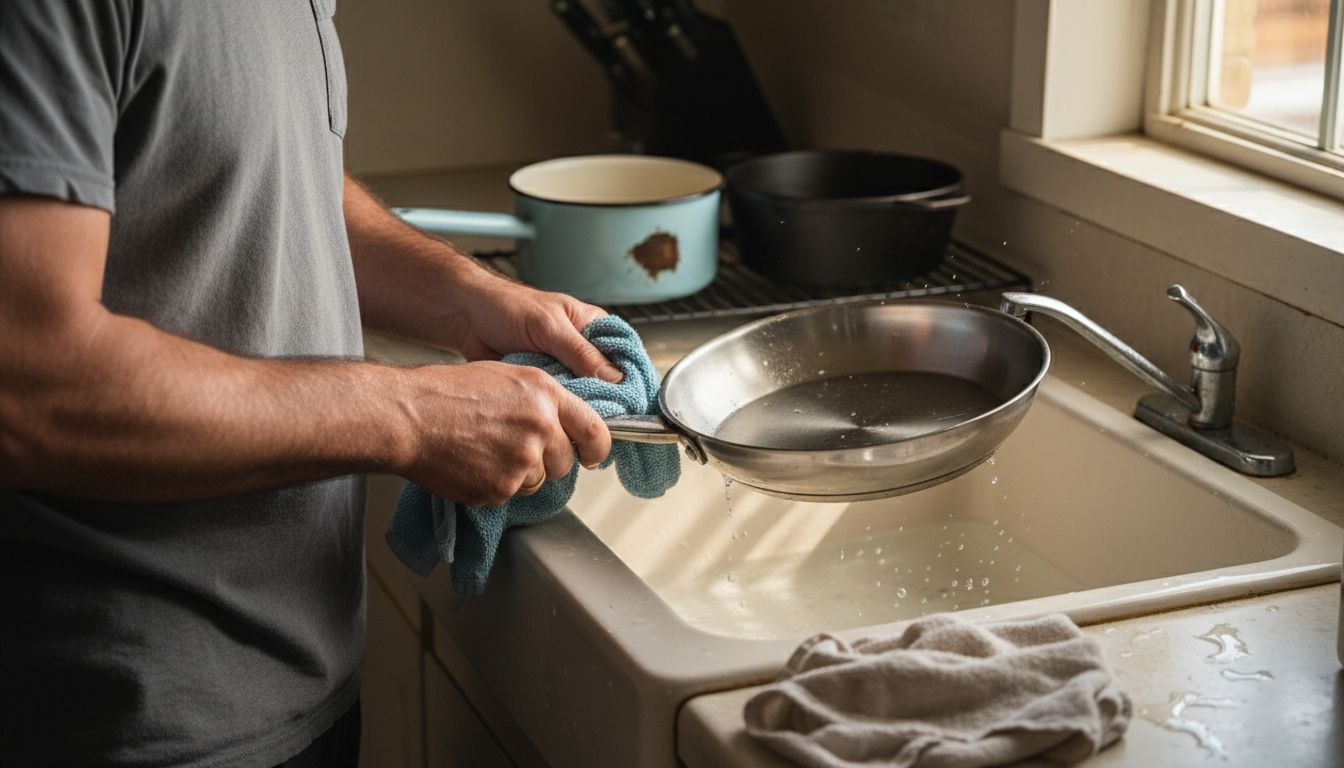
Pro tip: Dry your cookware while the pan is still slightly warm from the cleaning water, as warmth helps moisture evaporate faster and prevents streaking on stainless steel surfaces.
Step 3: Remove stubborn stains and residues safely
Sometimes regular cleaning isn’t enough. You’ll encounter baked-on food, mineral deposits, or discoloration that requires extra attention. The key is removing these stubborn marks without damaging your cookware or exposing yourself to harmful chemicals.
Start with gentle solutions before moving to stronger methods. A paste of baking soda and water works wonderfully for most stains on stainless steel and cast iron. Mix the two ingredients into a thick consistency, apply it to the stained area, and let it sit for 10 to 15 minutes. Then scrub gently with a soft cloth or non-abrasive sponge. This approach removes discoloration without scratching the surface or introducing harsh chemicals into your kitchen.
For mineral deposits from hard water, white vinegar is your friend. Spray or wipe the affected areas with undiluted white vinegar and let it sit briefly before wiping clean. The mild acid dissolves mineral buildup without harming your cookware. Never mix vinegar with bleach or other cleaners, as this creates dangerous fumes.
With nonstick cookware, you must be especially careful. Safe stain removal methods prevent damage to nonstick coatings and avoid leaching of harmful substances. Avoid any abrasive scrubbers, steel wool, or harsh chemicals that could scratch or degrade the nonstick surface. Stick with baking soda paste or gentle soap and water. If stains won’t budge after patient effort, replacement may be safer than risking coating damage.
If stains persist after multiple attempts, inspect the cookware carefully. Damaged surfaces with stubborn stains should be evaluated for replacement to prevent potential health risks. A pan that’s difficult to clean may have underlying damage that compromises its safety and function.
Pro tip: Tackle fresh stains immediately rather than letting them harden overnight, as newer stains require far less effort and gentler methods to remove completely.
Step 4: Inspect cookware for damage or wear
Regular inspection catches problems before they become safety issues. Your cookware tells a story through its surface condition, and learning to read that story keeps your food safe and your pans performing well. This step takes just a few minutes but protects your investment and your health.
Start by examining nonstick surfaces closely under good lighting. Look for any scratches, peeling, flaking, or areas where the coating appears to be wearing away. Even small scratches matter because damaged nonstick cookware can release harmful chemicals into your food. Run your finger gently across the surface, and if you feel any rough spots or coating separation, your pan may need replacement.
Inspect stainless steel and cast iron cookware for rust, corrosion, or discoloration that indicates moisture damage. Check the handles for cracks or looseness, and examine the bottom exterior for warping or damage. A warped bottom prevents even heat distribution and creates cooking problems. Look inside at the cooking surface for pitting or unusual discoloration that suggests corrosion has started.
Pay special attention to where handles attach to the pan body. This is a stress point where damage often begins. Wiggle the handle gently to ensure it remains secure, and look for gaps or cracks around the attachment points. A loose or cracked handle is a safety hazard that requires immediate attention.
If you notice any significant damage, research your specific cookware type to determine next steps. Some damage requires replacement, while other issues can be addressed through proper care adjustments. Cookware showing signs of deterioration or potential hazards should be evaluated for replacement to protect your household. Keeping quality cast iron cookware properly maintained can actually improve with age, while other materials have finite lifespans.
Compare common signs of cookware aging and necessary actions:
| Problem Noticed | What It Means | Recommended Next Step |
|---|---|---|
| Flaking nonstick | Coating breakdown | Replace cookware |
| Rust spots | Moisture damage | Remove rust, dry thoroughly |
| Loose handle | Structural concern | Repair or replace pan |
| Warped bottom | Heat damage | Discontinue use if severe |
Pro tip: Inspect your cookware monthly during regular cleaning rather than waiting until damage becomes obvious, allowing you to catch wear early and replace pans before they fail completely.
Step 5: Store cookware for optimal longevity
How you store your cookware between uses matters as much as how you clean it. Smart storage prevents scratches, rust, and corrosion that develop silently over months and years. This final maintenance step protects your investment and ensures your pans perform beautifully for decades.
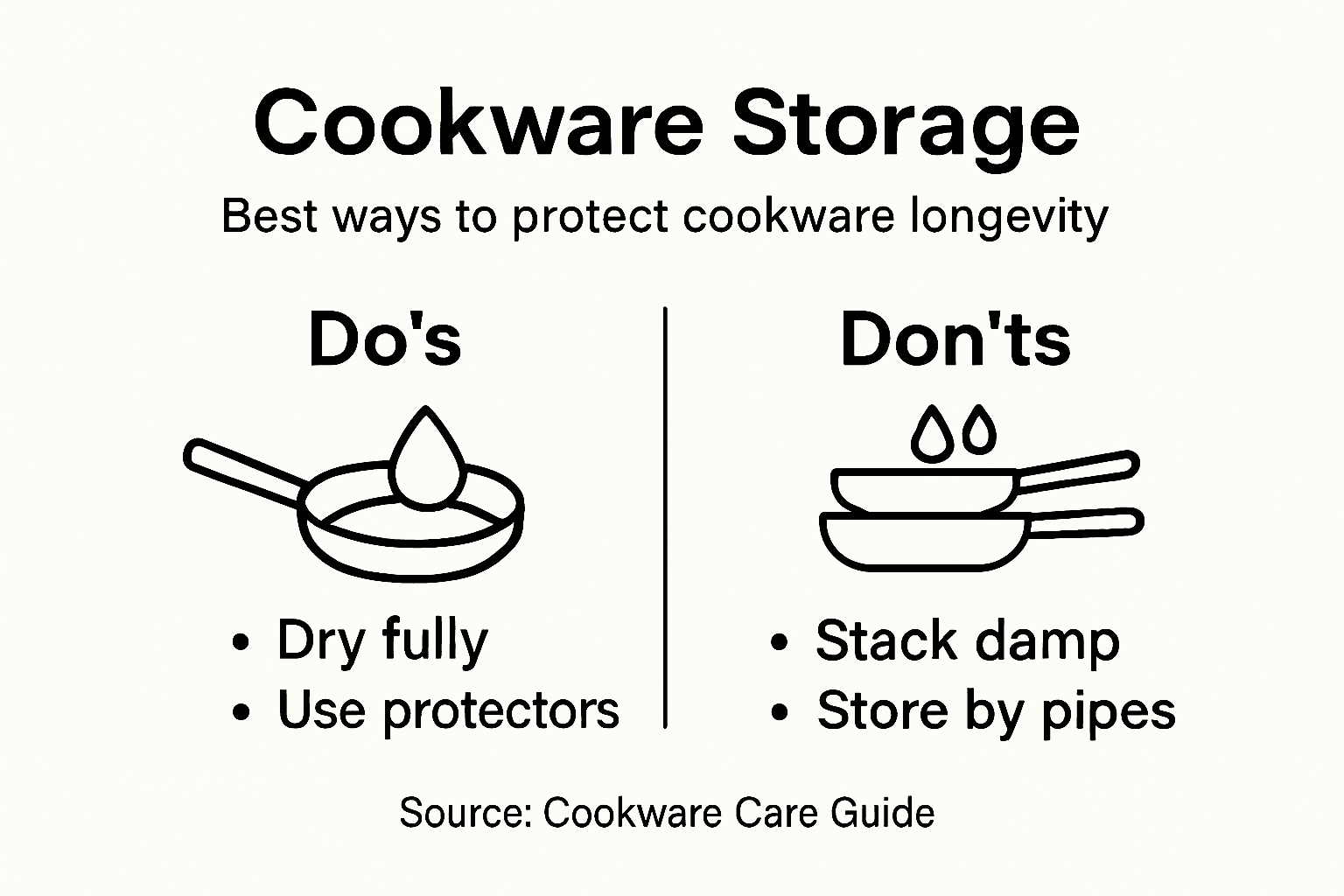
Start by ensuring your cookware is completely dry before storing anything. Moisture left on metal surfaces promotes rust and corrosion, especially on cast iron and stainless steel. After washing, dry each piece thoroughly with a clean cloth, and let it air dry briefly in a warm area if needed. Never store damp cookware, as trapped moisture causes damage that’s difficult to reverse.
Choose a dry storage location away from direct moisture. Under the sink is convenient but problematic because water pipes and humidity create the worst environment possible. A cabinet or pantry shelf away from steam sources works far better. Humidity and temperature fluctuations accelerate deterioration, so consistent, dry conditions keep your cookware in top shape.
When stacking cookware, use protective barriers to prevent scratches. Storing cookware carefully with pan protectors or paper towels between stacked pieces protects the cooking surfaces from damage. Even small scratches accumulate and affect performance. Paper towels, coffee filters, or soft cloth separators cost nothing and save your cookware from unnecessary wear.
For cast iron and stainless steel specifically, quality materials last longer with proper maintenance and dry storage to avoid rust and corrosion. Hang cast iron on a wall rack if possible, or store it in a single layer with cloth between pieces. Never stack cast iron directly on top of itself. Keep lids off cast iron when storing to allow air circulation and prevent moisture buildup inside.
Pro tip: Store frequently used cookware at eye level or within easy reach so you’re not tempted to grab whatever’s convenient and risk damaging pans you’re not reaching for.
Protect Your Investment With Premium Cookware That Lasts
Maintaining your cookware for lasting quality means having durable, reliable kitchen tools that stand up to regular care without wearing out or causing frustration. The article highlights crucial challenges like avoiding scratches, preventing rust, and knowing when to replace damaged nonstick coatings. These are real concerns for serious home cooks and professionals who want cookware that performs beautifully for years.
Magefesa USA understands these pain points and offers a curated selection of high-quality cookware including stainless steel, cast iron skillets, and nonstick pots designed for longevity and easy maintenance. Elevate your kitchen setup with products that support your cookware care routine and reduce common issues like warping, staining, and handle damage. Explore Magefesa USA’s collection to find cookware built with resilient materials and thoughtful design.
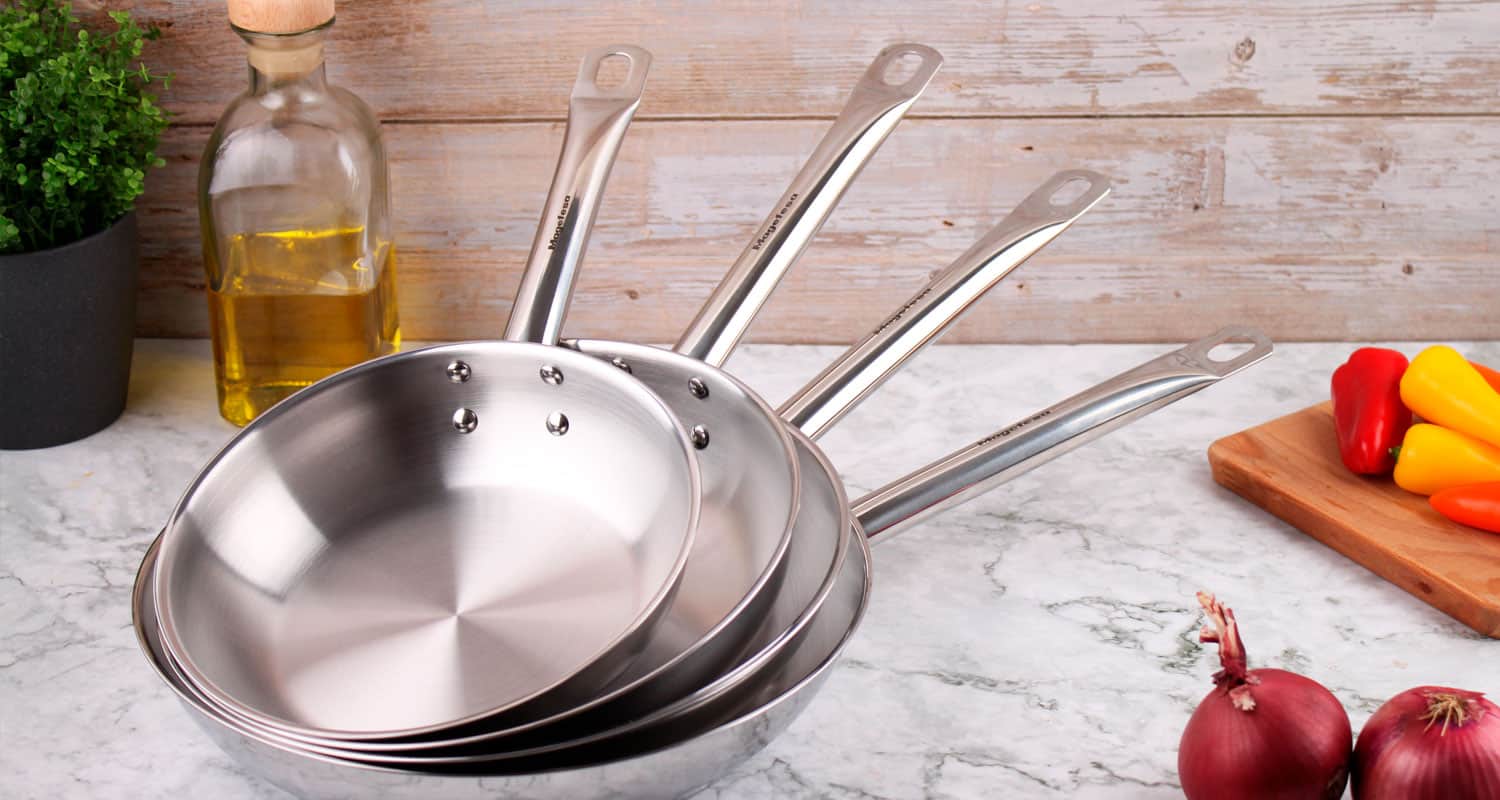
Discover the difference of cookware engineered to maintain its appearance and function over time. Visit Magefesa USA now to invest in kitchenware that complements your commitment to cookware upkeep. Don’t wait until wear and tear compromise your cooking experience. Start enhancing your kitchen with reliable cookware today.
Frequently Asked Questions
What tools do I need for effective cookware maintenance?
To maintain cookware effectively, gather soft sponges, microfiber cloths, and non-scratch scouring pads. Stock your kit with gentle dish soap, baking soda, and white vinegar to address different cleaning needs and protect various cookware materials.
How do I properly clean different types of cookware?
To clean cookware effectively, start by dry cleaning to remove loose particles, then follow with wet cleaning using warm water and mild dish soap. Rinse thoroughly to eliminate any soap residue, and dry immediately to prevent rust or water spots.
What should I do if I find stubborn stains on my cookware?
For stubborn stains, start with a baking soda paste for most surfaces or use undiluted white vinegar for mineral deposits. Apply the solution, let it sit for a few minutes, then scrub gently to restore the cookware without causing damage.
How can I inspect my cookware for damage?
Inspect your cookware by examining the surfaces for scratches, rust, or loose handles. Check the coating of nonstick pans for any peeling or flaking, and examine cast iron for rust. Make this inspection part of your monthly cleaning routine to catch problems early.
What is the best way to store cookware to ensure longevity?
To store cookware properly, ensure each piece is completely dry and use protective barriers like paper towels between stacked items to prevent scratches. Choose a dry area away from moisture sources, and avoid stacking cast iron directly on top of itself to prevent damage.
Recommended
- Magefesa Onix Best 11″ Wok
- Magefesa Dux 7-Piece Best Stainless Steel Cookware Set
- Cast Iron Cookware: The Marvels of this timeless product
- Magefesa Balance Best 1.6 Qt. Stainless Steel Saucepan

