7 Essential Types of Cookware Every Home Chef Should Know
Choosing the right cookware can make every meal feel like a challenge. With so many materials and designs available, it’s easy to wonder which pans truly fit your everyday recipes and cooking style. Picking the wrong piece often leads to stuck eggs, uneven browning, or endless scrubbing after dinner.
This guide will show you which cookware types actually deliver on versatility, durability, and hassle free results. You’ll discover tools recommended by nutrition and food safety experts, learn how different materials handle everyday tasks, and pick up care tips that keep your kitchen running smoothly.
Ready to find the kitchen essentials that transform how you cook, clean, and serve your favorite dishes? The following list highlights cookware that makes success easier, one meal at a time.
Table of Contents
- 1. Stainless Steel Pans for Everyday Cooking Tasks
- 2. Non-Stick Skillets for Easy Cleanup and Delicate Foods
- 3. Cast Iron Cookware for Superior Heat Retention
- 4. Ceramic Pots for Healthy, Non-Toxic Cooking
- 5. Pressure Cookers for Quick and Flavorful Meals
- 6. Copper Cookware for Precise Temperature Control
- 7. Hard-Anodized Cookware for Durable Performance
Quick Summary
| Key Insight | Detailed Explanation |
|---|---|
| 1. Use Stainless Steel for Durability | Stainless steel pans resist scratching and maintain their appearance over years. They are excellent for searing and browning, making them a staple in any kitchen. |
| 2. Choose Non-Stick for Easy Cleanup | Non-stick skillets prevent food from sticking, requiring less oil and facilitating simple cleanup, ideal for delicate foods like eggs and pancakes. |
| 3. Invest in Cast Iron for Heat Retention | Cast iron cookware excels at retaining heat, allowing for consistent cooking. With proper care, it becomes more nonstick and can last generations. |
| 4. Use Pressure Cookers for Time Efficiency | Pressure cookers significantly reduce cooking time while locking in flavor and nutrients, making meal prep quicker and more efficient. |
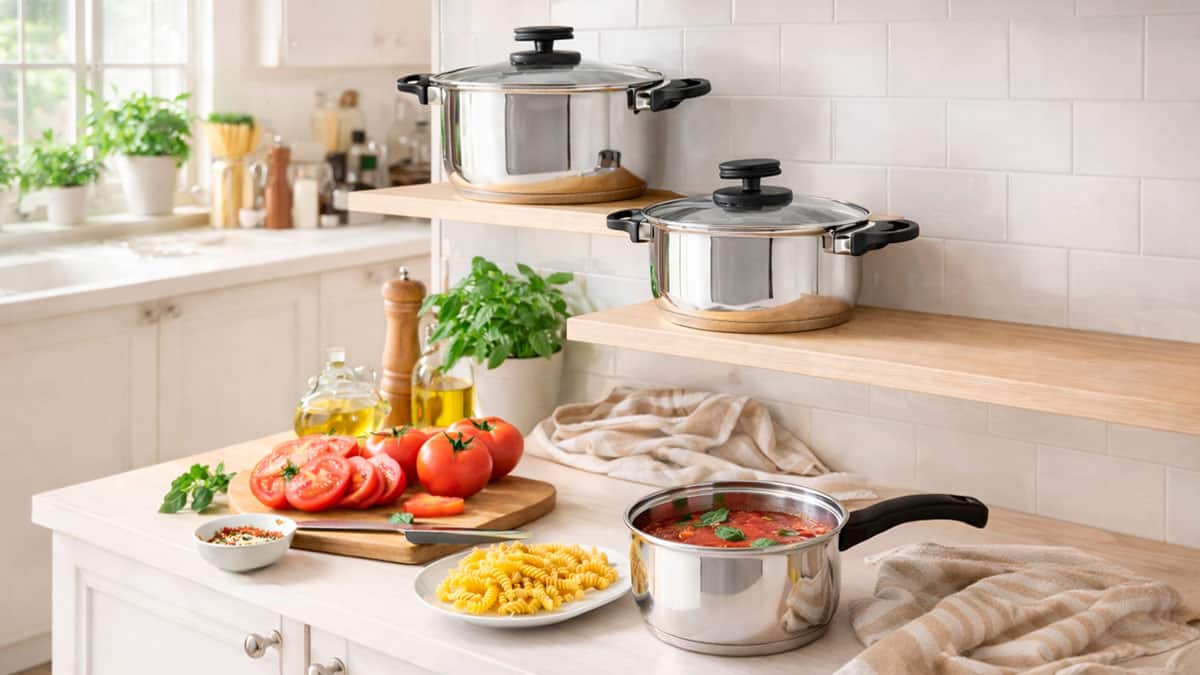
1. Stainless Steel Pans for Everyday Cooking Tasks
Stainless steel pans are the workhorses of any well-equipped kitchen, offering unparalleled versatility and durability for home chefs. These remarkable cooking tools excel at handling a wide range of culinary tasks, from searing meats to sautéing vegetables with professional precision.
Unlike other cookware materials, stainless steel provides exceptional heat distribution and maintains consistent cooking performance. The non reactive surface ensures that your food’s natural flavors remain pure, without absorbing metallic tastes or leaching unwanted chemicals into your meals.
One of the most significant advantages of stainless steel pans is their incredible durability. They can withstand high temperatures, resist scratching, and maintain their sleek appearance even after years of regular use. Professional chefs and home cooks alike appreciate these pans for their ability to create beautiful browning and searing results across various cooking techniques.
When selecting a stainless steel pan, look for models with layered bases that enhance heat conduction. Thicker bottoms help distribute temperature more evenly, preventing hot spots that can lead to uneven cooking. Multi ply construction with aluminum or copper cores can dramatically improve your cooking performance.
Key Techniques for Stainless Steel Pan Cooking:
- Preheat the pan before adding oil to prevent sticking
- Use medium to medium high heat for optimal results
- Allow meats to develop a natural release before flipping
- Clean with gentle scrubbers to maintain the pan’s finish
Pro tip: Season your stainless steel pan by heating a small amount of oil until it shimmers, which creates a temporary non stick surface and improves cooking performance.
2. Non-Stick Skillets for Easy Cleanup and Delicate Foods
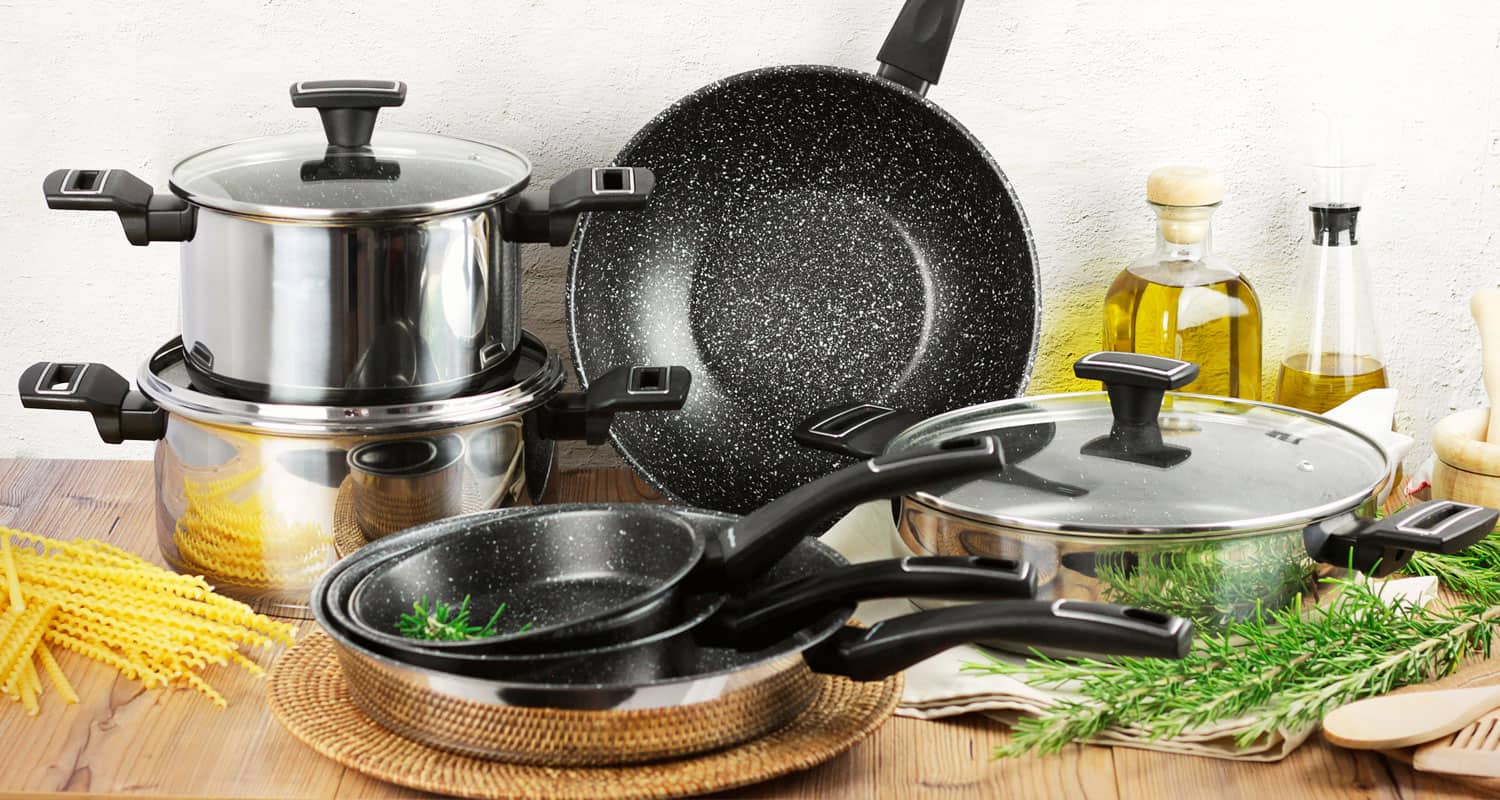
Non-stick skillets represent a game changing solution for home chefs seeking convenience and precision in their everyday cooking. These remarkable kitchen tools provide an innovative surface that transforms how we prepare delicate foods like eggs, fish, and pancakes with minimal effort.
The primary advantage of non-stick cookware is its specially designed coating that prevents food from adhering to the pan’s surface. Reduces cooking fat requirements while ensuring that fragile ingredients remain intact during preparation. This technology allows cooks to prepare meals with less oil and easier cleanup compared to traditional cookware.
When selecting a non-stick skillet, consider the quality of the coating and its durability. Ceramic and multilayer non-stick surfaces offer superior performance and longevity. High quality pans feature reinforced surfaces that resist scratching and maintain their non-stick properties over extended use.
Important Non-Stick Skillet Guidelines:
- Use wooden or silicone utensils to protect the coating
- Avoid cooking at extremely high temperatures
- Hand wash with soft sponges to preserve the surface
- Season the pan occasionally to maintain its non-stick properties
Pro tip: Always allow your non-stick skillet to cool completely before cleaning to prevent thermal shock and preserve the coating.
3. Cast Iron Cookware for Superior Heat Retention
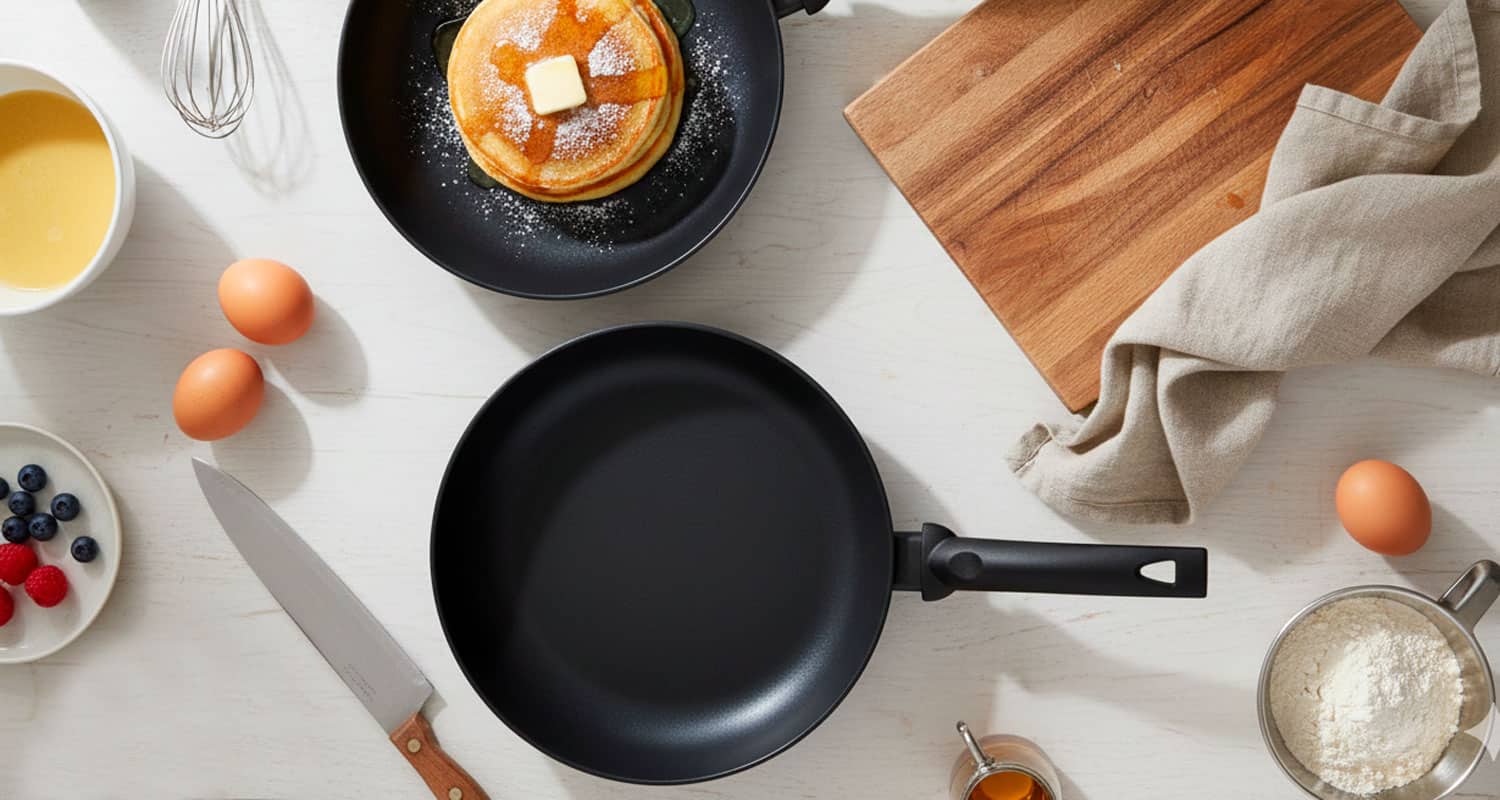
Cast iron cookware represents a timeless kitchen essential that transforms cooking through its extraordinary heat management capabilities. These heavyweight culinary workhorses deliver unparalleled performance by storing and distributing heat with remarkable consistency.
The magic of cast iron lies in its unique thermophysical properties and heat capacity, which allow it to maintain steady temperatures far more effectively than other cookware materials. Its dense construction enables even heat distribution, making it perfect for techniques like searing meats, baking cornbread, and slow cooking stews.
One of the most compelling attributes of cast iron is its incredible durability. With proper maintenance, these pans can last generations, becoming more nonstick and seasoned with each use. Home chefs appreciate how cast iron transitions seamlessly from stovetop to oven, offering incredible versatility in meal preparation.
Essential Cast Iron Care Guidelines:
- Season your pan regularly to maintain its nonstick surface
- Always dry thoroughly after washing to prevent rust
- Use metal utensils sparingly to protect the seasoning
- Avoid cooking acidic foods for extended periods
Pro tip: Store your cast iron in a dry location with a light coating of cooking oil to prevent moisture and maintain its protective seasoning.
4. Pressure Cookers for Quick and Flavorful Meals
Pressure cookers are the ultimate time saving kitchen tool that transforms meal preparation from tedious to effortless. These remarkable appliances can dramatically reduce cooking times while locking in maximum flavor and nutritional value.
Modern pressure cookers offer incredible versatility, allowing you to prepare meals quickly and efficiently with minimal effort. The sealed cooking environment creates high pressure and elevated temperatures that cook foods significantly faster than traditional methods while preserving essential nutrients and natural flavors.
Unlike slow cooking methods, pressure cookers can transform tough cuts of meat into tender masterpieces in a fraction of the time. They excel at preparing complex dishes like stews, soups, grains, and legumes by creating an environment that breaks down fibers quickly and evenly.
Pressure Cooker Cooking Advantages:
- Reduces cooking time by up to 70 percent
- Helps retain more nutrients compared to traditional cooking
- Requires less energy than conventional stovetop methods
- Creates consistently tender and flavorful meals
- Versatile for multiple cooking techniques
Pro tip: Always ensure your pressure cooker has a proper safety valve and follow manufacturer instructions to prevent potential accidents during cooking.
Below is a comprehensive table summarizing the key characteristics, benefits, and care tips for various types of cookware mentioned in the article.
| Cookware Type | Features | Best Practices |
|---|---|---|
| Stainless Steel Pans | Durable, non-reactive, excellent heat distribution | Preheat before use, clean with gentle scrubbers, and use medium heat levels for optimal results |
| Non-Stick Skillets | Coated surface for easy food release, allows for low-fat cooking | Use wooden/silicone utensils, avoid high heat, and handwash with soft sponges |
| Cast Iron Cookware | Superior heat retention, becomes more non-stick with care | Season regularly, dry thoroughly after cleaning, and store in a dry location with light oiling |
| Pressure Cookers | Rapid cooking, retains nutrients, and efficient for tough ingredients | Follow safety guidelines, ensure seals are functional, and use as directed by manufacturer |
Elevate Your Home Cooking with the Right Cookware from Magefesa USA
Choosing the perfect cookware is essential for every home chef striving for exceptional meal results and enjoyable kitchen moments. This article highlights the importance of selecting the right tools like stainless steel pans, cast iron skillets, and pressure cookers that deliver durability, consistent heat, and easy maintenance. If you want to conquer common challenges like uneven cooking, sticking, or slow meal prep, investing in quality cookware designed for your specific culinary needs is the key.
Experience the difference with Magefesa USA’s premium collection crafted to meet these exact demands. From precision stainless steel to versatile pressure cookers, our products bring professional durability and performance right into your kitchen.
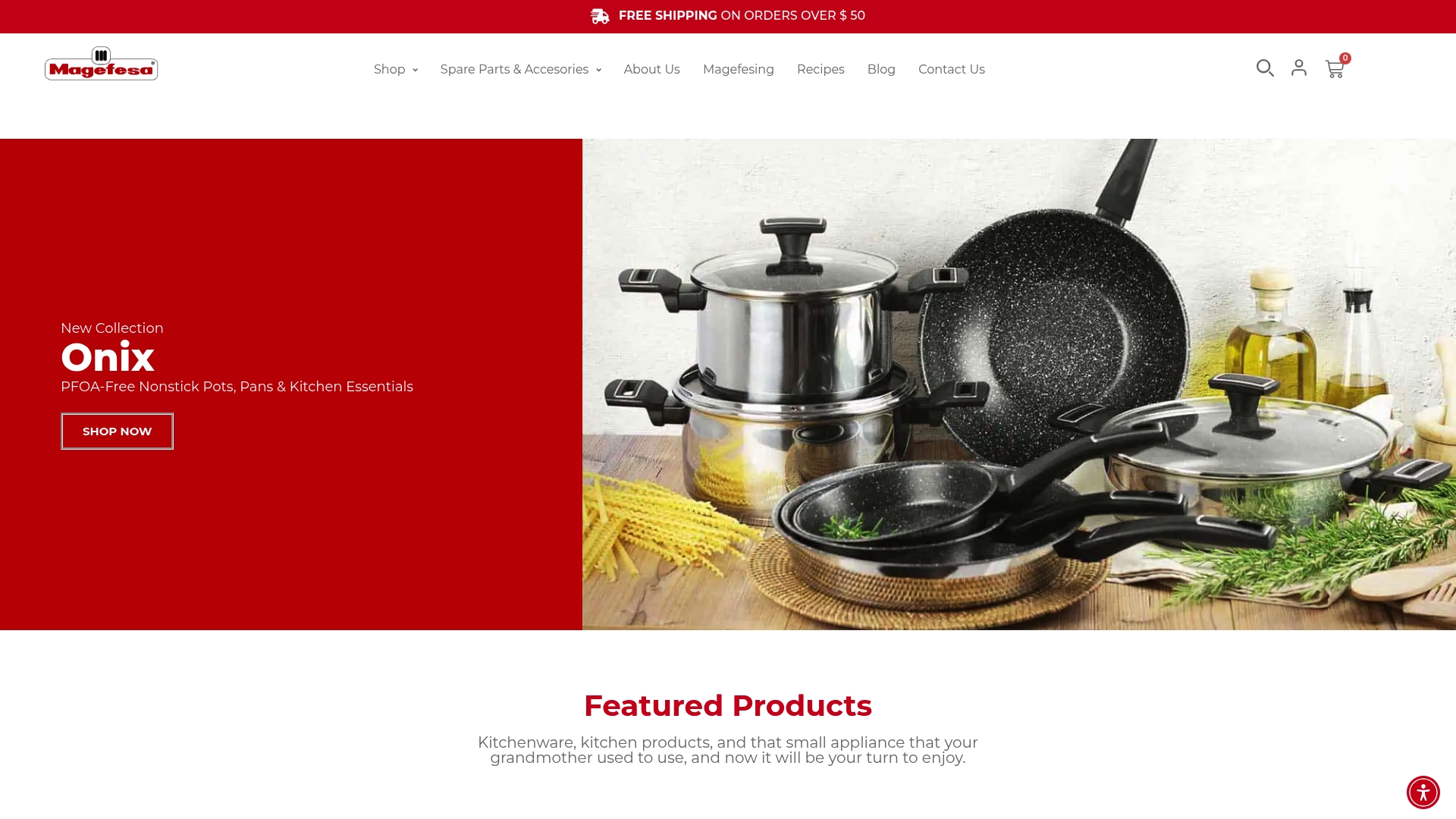
Discover how upgrading your kitchenware can transform your cooking routine and bring out the best flavors in every dish. Visit Magefesa USA today to explore our range of stainless steel cookware, pressure cookers, and cookware options tailored for passionate home cooks and professionals alike. Shop now and take the next step toward kitchen excellence!
Frequently Asked Questions
What are the key benefits of using stainless steel pans?
Stainless steel pans offer exceptional durability, heat distribution, and a non-reactive surface that preserves the natural flavors of your food. To make the most of stainless steel, preheat the pan before adding oil; this can help prevent food from sticking and ensures even cooking results.
How do I properly care for non-stick skillets?
To maintain non-stick skillets, use wooden or silicone utensils to protect the coating and avoid extreme heat. Regularly hand wash with soft sponges to extend their lifespan and ensure optimal cooking performance.
What makes cast iron cookware different from other types of cookware?
Cast iron cookware excels in heat retention and even temperature distribution, making it ideal for searing and slow cooking. Regularly season your cast iron pans to enhance their non-stick properties and keep them in top condition for years to come.
How can I ensure my ceramic pots are safe for cooking?
To ensure ceramic pots are safe, always purchase from reputable manufacturers and check for lead-free certification. Regularly check for cracks or chips, and avoid using metal utensils to maintain their integrity.
What types of foods are best for pressure cooking?
Pressure cookers are perfect for tough cuts of meat, stews, soups, grains, and legumes, as they cook food quickly while retaining flavor and nutrients. Ensure to follow proper safety guidelines and never exceed your pressure cooker’s maximum fill level to avoid accidents.
Why is copper cookware preferred for precision cooking?
Copper cookware is prized for its exceptional heat conductivity, allowing for immediate temperature adjustments. Use copper pans for delicate techniques, such as making sauces, and clean them gently to maintain their beautiful appearance.
Recommended
- Must-Have Kitchen Essentials: To reach your full culinary potential Top 5 Cooking categories
- Magefesa Dux 7-Piece Best Stainless Steel Cookware Set
- Amazing Kitchen Products That Shine: Gifts for Your Loved ones Top 5 pro
- Cast Iron Cookware: The Marvels of this timeless product

