
How to Cook With Seaweed: 9 Types Explained

How to Cook With Seaweed: 9 Types and How to Use Them
Seaweed adds savory depth, delicate ocean flavors, and interesting textures to everyday cooking. From crisp nori sheets to tender wakame and umami-rich kombu, different varieties work in everything from soups and rice dishes to salads and seafood.
The key is choosing the right seaweed for your recipe. Some can be eaten straight from the package, others need soaking or cooking, and a few require special attention because of their mineral content.
What Does Seaweed Taste Like?
Not all seaweed tastes strongly of the ocean. Some varieties are mild and slightly sweet, while others have a more pronounced salty, earthy, or savory character.
Texture matters just as much as flavor. Nori is thin and crisp when toasted, wakame becomes silky when hydrated, and sea spaghetti retains a pleasant bite after cooking.
| Flavor or texture | Seaweed varieties | Best culinary uses |
|---|---|---|
| Mild and tender | Wakame, arame | Salads, soups, vegetables |
| Savory and umami-rich | Kombu, nori | Broths, rice, seasonings |
| Briny and slightly chewy | Dulse, sea spaghetti | Salads, seafood, side dishes |
| Firm and meaty | Cochayuyo | Stews, sautéed vegetables |
For your first experiments, nori and wakame are approachable choices. They are easy to incorporate into familiar dishes without dramatically changing the recipe.
Types of Edible Seaweed and Their Best Uses
These seven varieties offer different flavors and textures. The preparation methods below are general guidelines; always check the manufacturer’s instructions, particularly for dried seaweed.
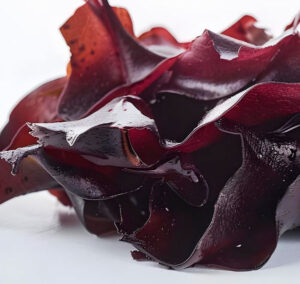 | 1. DulseReddish-purple seaweed with a pleasantly salty, How to use: Crumble food-grade |
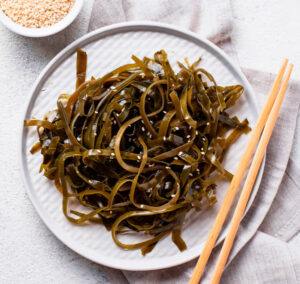 | 2. Sea SpaghettiKnown for its long, narrow strands, sea spaghetti How to use: Rehydrate or cook |
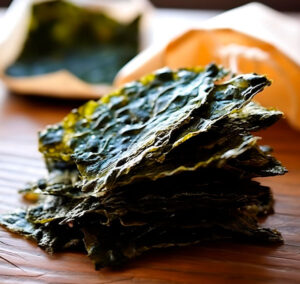 | 3. KombuA thick brown kelp prized for its naturally How to use: Steep a small piece |
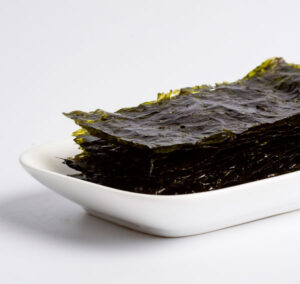 | 4. NoriThin, dark sheets made from processed red How to use: Wrap sushi, |
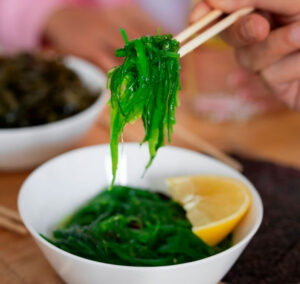 | 5. WakameA tender, silky seaweed with a mild marine How to use: Soak dried wakame |
 | 6. CochayuyoA brown seaweed (Durvillaea antarctica) How to use: Soak and cook |
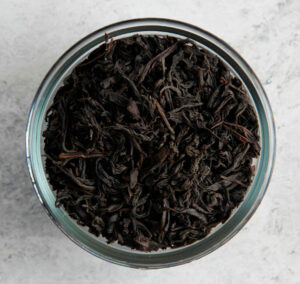 | 7. ArameFine, dark strands of brown seaweed with How to use: Rehydrate and |
cooking Tip
When using dried seaweed for the first time, prepare a small amount.
Many varieties expand substantially after soaking, and their flavors can be more concentrated than expected.
How to Prepare Dried Seaweed
Most dried seaweeds need some preparation before being added to a dish. The exact method depends on the variety, thickness, and how the manufacturer has processed it.
Seaweed | Preparation method | Important detail |
|---|---|---|
Dulse | Use edible dried flakes directly, or soak whole pieces as directed | Check whether the product is ready to eat |
Sea spaghetti | Soak and cook according to the package | Should become tender while retaining some bite |
Kombu | Steep in water for broth | Remove before vigorous boiling for a cleaner dashi |
Nori | Use roasted sheets directly | Keep dry until serving to preserve crispness |
Wakame | Soak briefly until expanded | Drain well before adding to salads |
Cochayuyo | Soak and cook until tender | Thick pieces may require longer cooking |
Arame | Rehydrate, then cook as directed | Works well with sautéed vegetables |
For seaweed that requires rehydration, use clean water and a bowl large enough to allow expansion. Drain after soaking unless the recipe specifically calls for using the soaking liquid.
Rinsing or soaking can remove some surface salt, but it does not guarantee a predictable reduction in iodine. For varieties with particularly high iodine content, follow the product’s consumption guidance.
How to Use Agar-Agar in Cooking
Agar-agar is different from the other seaweeds in this guide. It is a plant-based gelling ingredient extracted from certain red algae, rather than a leafy sea vegetable used directly in savory dishes.
It is commonly sold as powder, flakes, or strips and has a nearly neutral flavor.
Agar is useful for making:
Fruit jellies and firm desserts
Plant-based gelatin alternatives
Savory vegetable gels
Decorative layers in chilled dishes
Unlike gelatin, agar generally needs to be brought to a boil and heated sufficiently to dissolve. It sets as it cools and remains firm at temperatures considerably warmer than those at which gelatin melts.
The amount needed varies with the product and desired texture, so follow the manufacturer’s instructions rather than substituting it for gelatin in equal quantities.
Cooking tip: Whisk agar powder into the liquid before heating to help prevent lumps. Once dissolved, pour the mixture into its mold promptly, as agar can begin setting while still warm.
Easy Ways to Add Seaweed to Everyday Meals
You don’t need to prepare traditional Japanese dishes to cook with seaweed. Small additions can bring extra savory flavor to familiar meals.
Everyday dish | Seaweed to try | How to use it |
|---|---|---|
Vegetable soup | Wakame | Add rehydrated wakame near the end of cooking |
Homemade broth | Kombu | Use a small piece to add umami |
Rice bowls | Nori | Sprinkle toasted strips just before serving |
Cucumber salad | Wakame | Toss with cucumber, rice vinegar, and sesame |
Roasted potatoes | Dulse | Finish with a small sprinkle of dried flakes |
Vegetable stew | Cochayuyo | Add previously cooked, tender pieces |
Sautéed vegetables | Arame | Combine with carrots, mushrooms, or onions |
Seaweed also pairs naturally with seafood. A small amount of nori or dulse can complement fish without overpowering it.
For inspiration, browse the Magefesa recipe collection. Dishes such as Mediterranean Calamari Salad can be adapted with a little dulse, while rice-based preparations can be finished with toasted nori.
For small batches of broth or soup, the Magefesa Prisma 1.6 Qt. Stainless Steel Saucepan offers a practical size for gently steeping kombu or preparing a light vegetable broth.
Seaweed Nutrition and Safety: What to Know
Seaweed can provide fiber and minerals, but its nutritional composition varies widely by species, growing conditions, and processing.
Iodine deserves particular attention. It is essential for normal thyroid function, but excessive amounts can interfere with thyroid health. Brown seaweeds, especially kombu, may contain exceptionally high concentrations.
Food Standards Australia New Zealand identifies kombu as a particular concern for excessive iodine intake, especially among vulnerable groups.
People with thyroid conditions, pregnant or breastfeeding individuals, and those preparing seaweed for children should seek appropriate professional advice about iodine exposure. Kombu is best treated as an occasional ingredient rather than an everyday vegetable.
Why Hijiki Is Not Recommended
Hijiki, sometimes spelled hiziki or iziki, is a dark, thin-stranded seaweed traditionally used in some Japanese dishes.
However, testing has found that hijiki can contain elevated levels of inorganic arsenic. The Canadian Food Inspection Agency advises consumers to avoid it.
For everyday cooking, choose alternatives such as wakame, arame, or nori rather than hijiki.
The best way to explore seaweed is to start with familiar dishes, choose food-grade products from reputable suppliers, and follow preparation and portion guidance. A little nori on rice or wakame in soup is often enough to introduce a new flavor without complicating the meal.
Frequently Asked Questions about Aluminum Cookware
Share