
How to Make Flavored Oils: 12 Easy Recipes
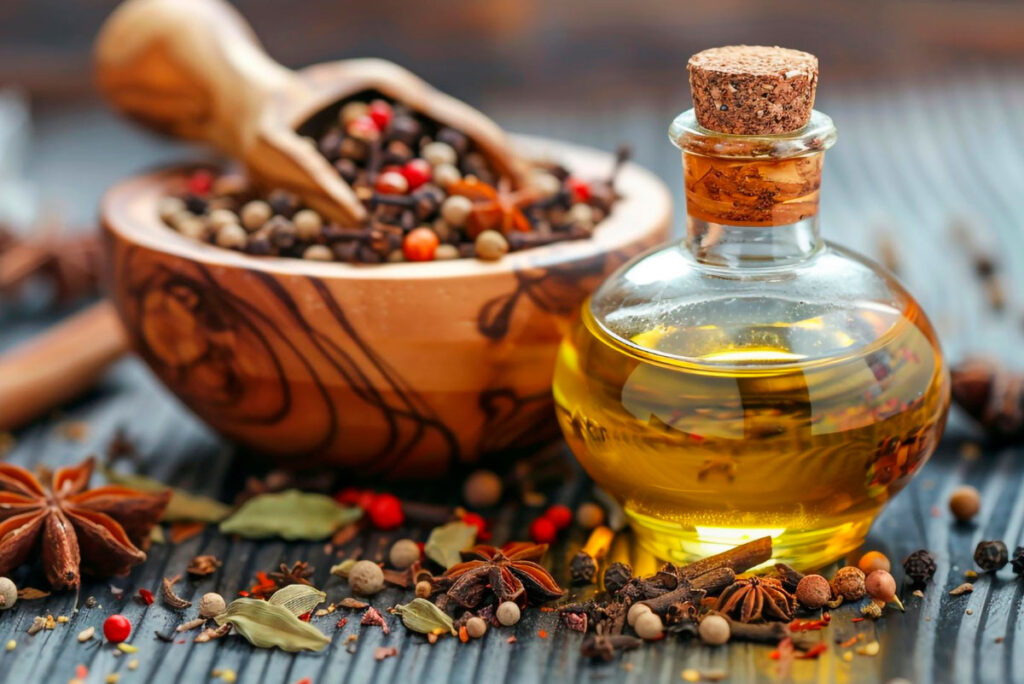
How to Make Flavored Oils at Home: 11 Easy Ideas
Homemade flavored oils are a simple way to add fresh herbs, garlic, roasted peppers, or nuts to everyday dishes. A drizzle of basil oil can brighten a tomato salad, while garlic-infused olive oil brings extra flavor to roasted vegetables, pasta, and grilled fish.
There are three main ways to prepare them: blending fresh ingredients with oil, briefly blanching herbs to preserve their color, or gently warming ingredients in oil to extract their flavor.
These 11 recipes are designed for small batches and immediate use or short refrigerated storage. Unlike commercially preserved infused oils, homemade versions containing fresh ingredients are not shelf-stable.
Choosing the Best Oil for Infusions
The oil you choose affects the finished flavor. Extra virgin olive oil has a distinctive taste that works particularly well with Mediterranean ingredients, while milder oils allow delicate herbs and spices to stand out.
|
Oil |
Flavor |
Best for |
|---|---|---|
|
Extra virgin olive oil |
Fruity, sometimes peppery |
Garlic, olives, roasted peppers |
|
Light-tasting olive oil |
Mild and smooth |
Sage, ginger, herb blends |
|
Sunflower oil |
Neutral |
Basil, mint, chives, nuts |
|
Canola oil |
Mild and versatile |
Delicate herbs and mixed seasonings |
For strongly flavored ingredients such as garlic or black olives, olive oil is usually a good match. For fresh mint or basil, sunflower or canola oil lets the herb’s natural aroma take center stage.
Three Ways to Make Homemade Flavored Oils
The preparation method matters as much as the ingredients. Some flavors are best extracted without heat, while others benefit from gentle warming.
|
Method |
How it works |
Best ingredients |
|---|---|---|
|
Blending |
Combine ingredients with oil, then strain if desired |
Fresh herbs, olives, piquillo peppers, nuts |
|
Blanching and blending |
Briefly blanch herbs, cool in ice water, dry, then blend |
Basil, mint |
|
Gentle infusion |
Warm ingredients in oil over low heat, then strain |
Garlic, ginger, bell peppers |
A blender or small food processor is useful for preparing herb oils. For warm infusions, a small saucepan offers better control than a large pot.
The Magefesa Onix 1.1 Qt. Stainless Steel Saucepan is a suitable option for small batches, thanks to its compact size and heat-diffusing base.
Cooking tip: Never let the oil smoke during infusion. Gentle heat is enough to extract flavor, and excessive heat can damage delicate ingredients.
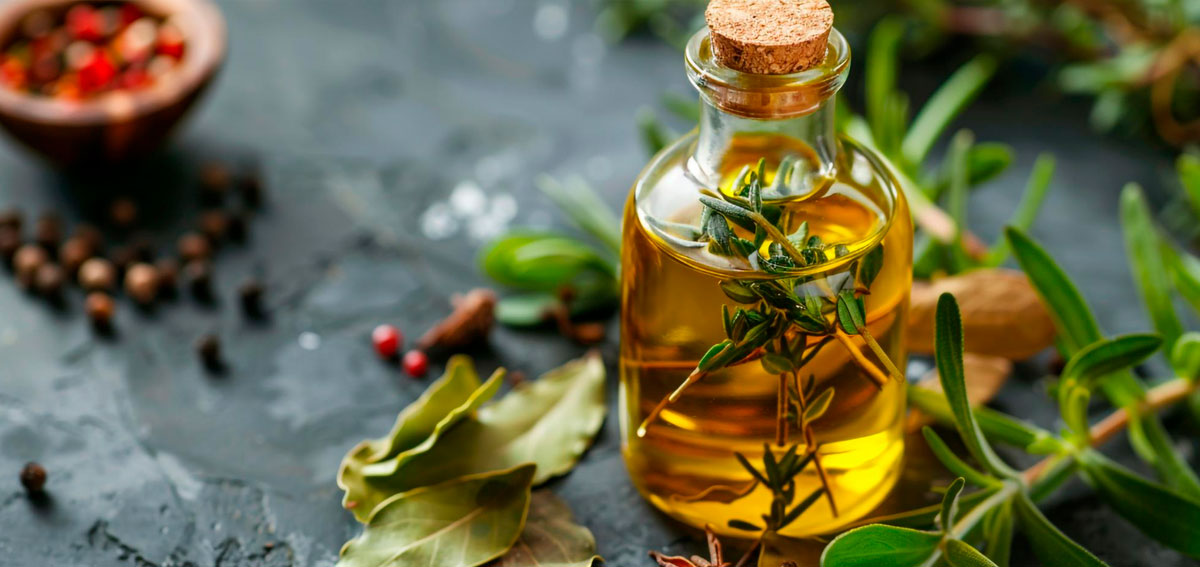
Fresh Herb Oils
|
Mint Oil |
Basil Oil |
Chive Oil |
|---|---|---|
|
Ingredients |
Ingredients |
Ingredients |
|
½ cup fresh mint leaves; ½ cup sunflower oil |
⅓ cup fresh basil; ½ cup sunflower oil |
¼ cup fresh chives; ⅛ cup parsley; ½ cup sunflower oil |
|
Preparation |
Preparation |
Preparation |
|
Blanch mint for 5–10 seconds, cool in ice water, and dry thoroughly. Blend with oil and strain. |
Blanch basil briefly, cool in ice water, and dry thoroughly. Blend with oil and strain if desired. |
Blend all ingredients until smooth. Strain for a finer texture. |
|
Best with |
Best with |
Best with |
|
Peas, cucumber salads, grilled lamb |
Tomatoes, mozzarella, pasta |
Baked potatoes, eggs, steamed fish |
Aromatic and Savory Oils
|
Sage Oil |
Garlic Oil |
Bell Pepper Oil |
|---|---|---|
|
Ingredients |
Ingredients |
Ingredients |
|
¼ cup fresh sage; ½ cup light olive oil |
3 garlic cloves; ½ cup mild olive oil |
1 small red bell pepper; 1 small green bell pepper; ¾ cup olive oil |
|
Preparation |
Preparation |
Preparation |
|
Wash and thoroughly dry sage. Blend with oil and strain. |
Gently warm crushed garlic in oil over low heat for 10–15 minutes without browning. Strain. |
Slice peppers and gently cook in oil for 20–30 minutes until soft. Strain. |
|
Best with |
Best with |
Best with |
|
Roasted squash, chicken, potatoes |
Pasta, roasted potatoes, grilled bread |
Chicken, rice, roasted vegetables |
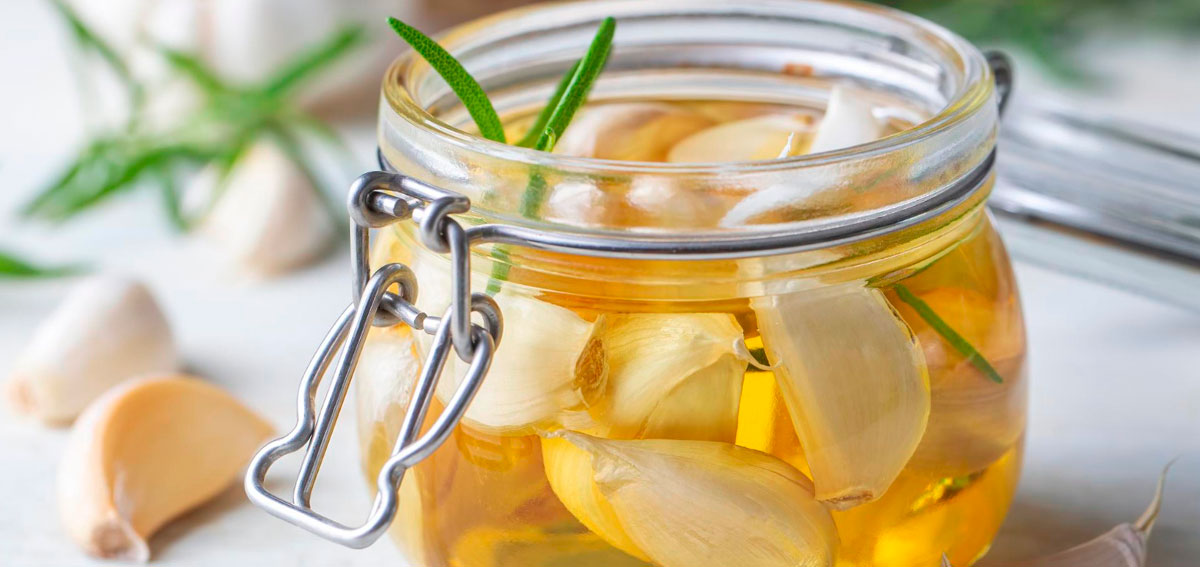
Mediterranean-Inspired Oils
|
Piquillo Pepper Oil |
Black Olive Oil |
Lemon and Rosemary Oil |
|---|---|---|
|
Ingredients |
Ingredients |
Ingredients |
|
¾ cup drained piquillo peppers; ½ cup olive oil; pinch of salt |
½ cup pitted black olives; ½ cup extra virgin olive oil; 3–4 basil leaves |
½ cup olive oil; 2 strips fresh lemon zest; 1 small rosemary sprig |
|
Preparation |
Preparation |
Preparation |
|
Pat peppers dry, blend with oil, and season. Strain if desired. |
Blend until smooth. Add a little water if needed for a thinner dressing. |
Wash and thoroughly dry the lemon and rosemary. Warm gently in oil for 10 minutes without frying. Strain. |
|
Best with |
Best with |
Best with |
|
Fish, roasted vegetables, Spanish appetizers |
Tomato salads, grilled fish, crusty bread |
Roasted chicken, grilled fish, potatoes |
Ginger and Nut Oils
|
Ginger Oil |
Mixed Nut Oil |
Pine Nut Oil |
|---|---|---|
|
Ingredients |
Ingredients |
Ingredients |
|
¼ cup thinly sliced fresh ginger; ½ cup sunflower oil |
½ cup toasted unsalted mixed nuts; ½ cup sunflower oil |
½ cup lightly toasted pine nuts; ¾ cup sunflower oil |
|
Preparation |
Preparation |
Preparation |
|
Warm ginger gently in oil for 15–20 minutes. Cool briefly and strain. |
Cool toasted nuts, blend with oil, and strain if desired. |
Toast pine nuts until golden, cool, then blend with oil. Strain if desired. |
|
Best with |
Best with |
Best with |
|
Noodles, rice bowls, stir-fried vegetables |
Grain salads, roasted vegetables, purées |
Pasta, zucchini, salads, grilled vegetables |
How to Store Homemade Flavored Oils Safely
Homemade flavored oils require careful storage, particularly when prepared with fresh garlic, herbs, peppers, or other vegetables.
These ingredients contain moisture and can introduce microorganisms into the oil. Because oil creates a low-oxygen environment, improperly stored mixtures may allow Clostridium botulinum to produce the toxin responsible for botulism.
For the recipes in this article, follow these precautions:
-
Refrigerate promptly in clean, food-safe, covered containers at 40°F (4°C) or below.
-
Use within four days, or freeze portions for longer storage.
-
Do not store at room temperature, even after blanching, heating, or straining.
-
Discard oils left unrefrigerated for more than two hours. Do not rely on appearance, smell, or taste to determine safety.
-
Label each container with its preparation date.
These recommendations are consistent with guidance from the CDC and Oregon State University Extension.
Small batches are the most practical approach. Make enough for one or two meals, refrigerate any leftovers immediately, and freeze extra portions in suitable containers.
A final drizzle of flavored oil can make a simple dish more interesting without changing the entire recipe. Start with a teaspoon or two, taste, and let the main ingredients remain the focus.
Frequently Asked Questions about Flavored Oils
Share