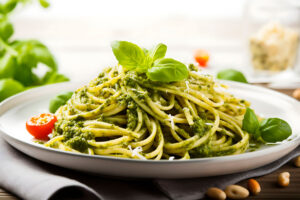
9 Homemade Pasta Sauce Recipes Worth Making
9 Homemade Pasta Sauce Recipes Worth Making From Scratch
Homemade pasta sauce doesn’t have to be complicated. Some of the best recipes need just a few ingredients and 20 minutes, while others, like Bolognese, develop their flavor through slow, gentle cooking.
From spicy arrabbiata and fresh basil pesto to creamy Alfredo and traditional carbonara, these nine pasta sauces offer something for every occasion. Each recipe includes measured ingredients, clear instructions, and tips to help you get the texture and flavor right.
1. Tomato-Based Pasta Sauces
Tomatoes form the foundation of many Italian pasta sauces, but a few carefully chosen ingredients can completely change the result. Arrabbiata brings heat, amatriciana adds the richness of cured pork, and puttanesca combines briny, savory flavors.
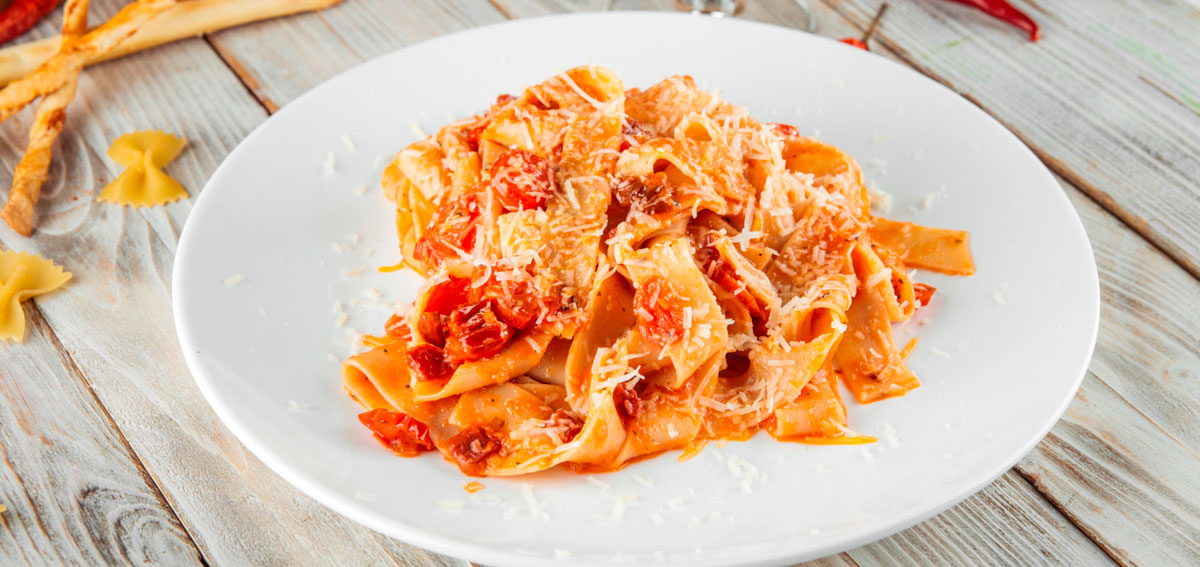
Arrabbiata Sauce
Arrabbiata is a spicy tomato sauce from Rome made with garlic, olive oil, and red pepper flakes. It’s particularly good with penne, whose hollow shape catches the sauce.
4 Servings
5 minutes
20 minutes
Ingredients
- 2 Tablespoons extra-virgin olive oil
- 3 garlic cloves, thinly sliced
- ½ teaspoon crushed red pepper flakes, plus more to taste
- 1 can (28 oz) crushed tomatoes Salt, to taste
- 2 tablespoons chopped fresh parsley
- 12 oz pasta
Directions
Heat the olive oil in a large skillet over medium-low heat. Add the garlic and red pepper flakes. Cook for 1–2 minutes, stirring frequently, until fragrant but not browned.
Add the crushed tomatoes and a small pinch of salt. Simmer uncovered for 15–20 minutes, stirring occasionally, until slightly thickened.
Meanwhile, cook the penne in salted boiling water until just shy of al dente.
Reserve ½ cup of pasta cooking water, then drain.
Add the pasta to the sauce and toss over medium heat for 1–2 minutes. Add a splash of reserved pasta water if the sauce is too thick.
Finish with chopped parsley and serve immediately.
KITCHEN TIPGarlic burns quickly and becomes bitter. Keep the heat moderate and add the tomatoes as soon as the garlic turns fragrant.
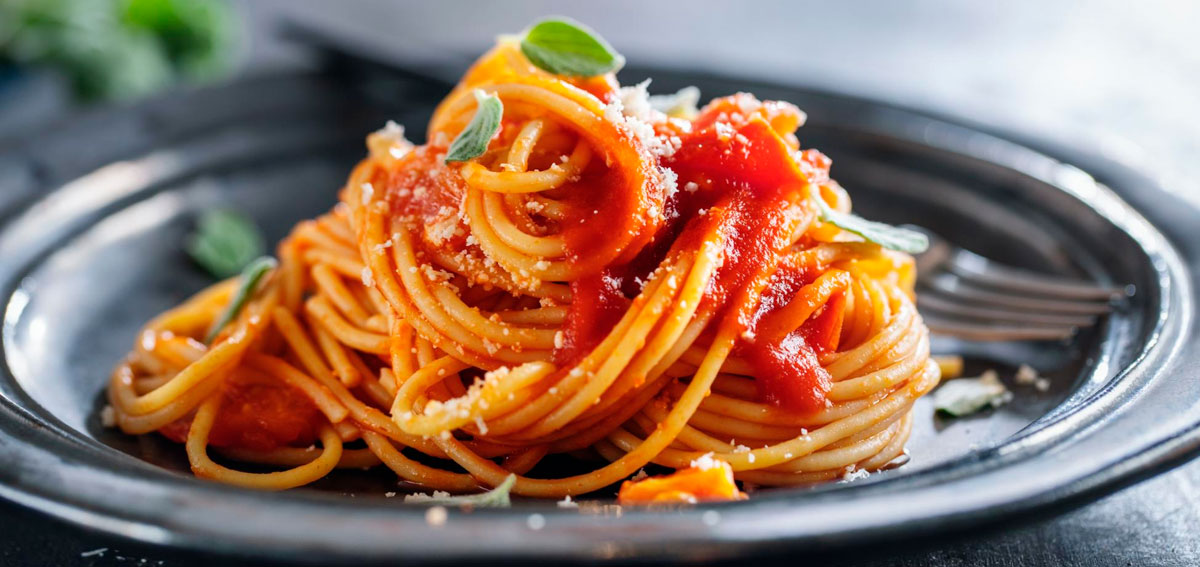
Amatriciana Sauce
Amatriciana gets its distinctive flavor from guanciale, a cured pork jowl that releases flavorful fat as it cooks. Tomatoes provide acidity, while Pecorino Romano adds a salty, sharp finish.
4 Servings
10 minutes
25 minutes
Ingredients
- 5 oz guanciale, cut into small strips (pancetta can be substituted)
- 1 can (28 oz) peeled whole tomatoes, crushed by hand
- ½ teaspoon crushed red pepper flakes, optional
- ½ cup finely grated Pecorino Romano
- 12 oz bucatini or rigatoni
- Salt, as needed
Directions:
Place the guanciale in a cold skillet and cook over medium-low heat for 6–8 minutes, until the fat renders and the meat becomes lightly crisp.
Add the red pepper flakes, if using, and stir for a few seconds.
Add the crushed tomatoes and simmer uncovered for 15–20 minutes, until the sauce thickens.
Cook the pasta in lightly salted boiling water until just shy of al dente. Reserve ½ cup of cooking water before draining.
Transfer the pasta to the skillet and toss with the sauce, adding a little reserved water as needed.
Remove from the heat and gradually incorporate most of the Pecorino Romano, tossing continuously. Sprinkle the remaining cheese over the pasta before serving.
KITCHEN TIPTaste the sauce before adding salt. Guanciale and Pecorino Romano already contribute plenty of seasoning.
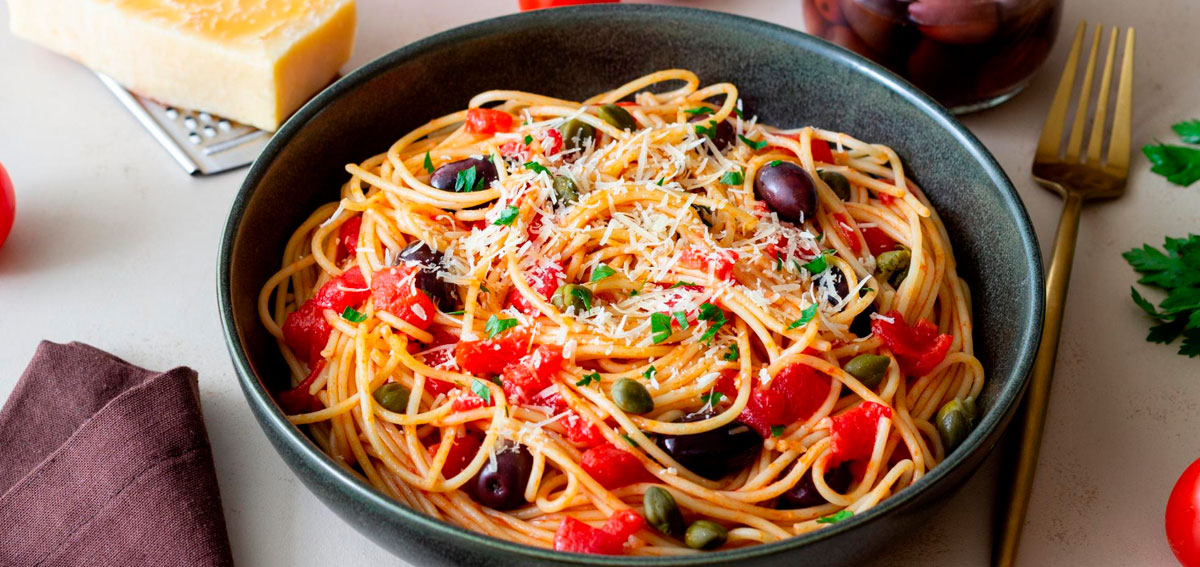
Puttanesca Sauce
Puttanesca is a bold tomato sauce made with anchovies, olives, capers, and garlic. The anchovies dissolve into the olive oil, creating a savory base without overpowering the other ingredients.
4 servings
10 minutes
20 minutes
Ingredients
- 3 Tablespoons extra-virgin olive oil
- 3 garlic cloves, finely chopped
- 3 large or 4 small anchovy fillets
- ½ teaspoon crushed red pepper flakes
- 1 can (28 oz) crushed tomatoes
- ½ cup pitted black olives, roughly chopped
- 2 tablespoons capers, rinsed
- 2 tablespoons chopped fresh parsley
- 12 oz spaghetti
Directions:
Warm the olive oil in a large skillet over medium-low heat.
Add the garlic, anchovies, and red pepper flakes. Stir for 2–3 minutes, breaking up the anchovies until they dissolve into the oil.
Add the tomatoes, olives, and capers.
Simmer uncovered for 15 minutes, stirring occasionally.
Meanwhile, cook the spaghetti until just shy of al dente. Reserve ½ cup of pasta water before draining.
Add the spaghetti to the sauce and toss over medium heat, adding a little pasta water if necessary.
Finish with parsley and serve.
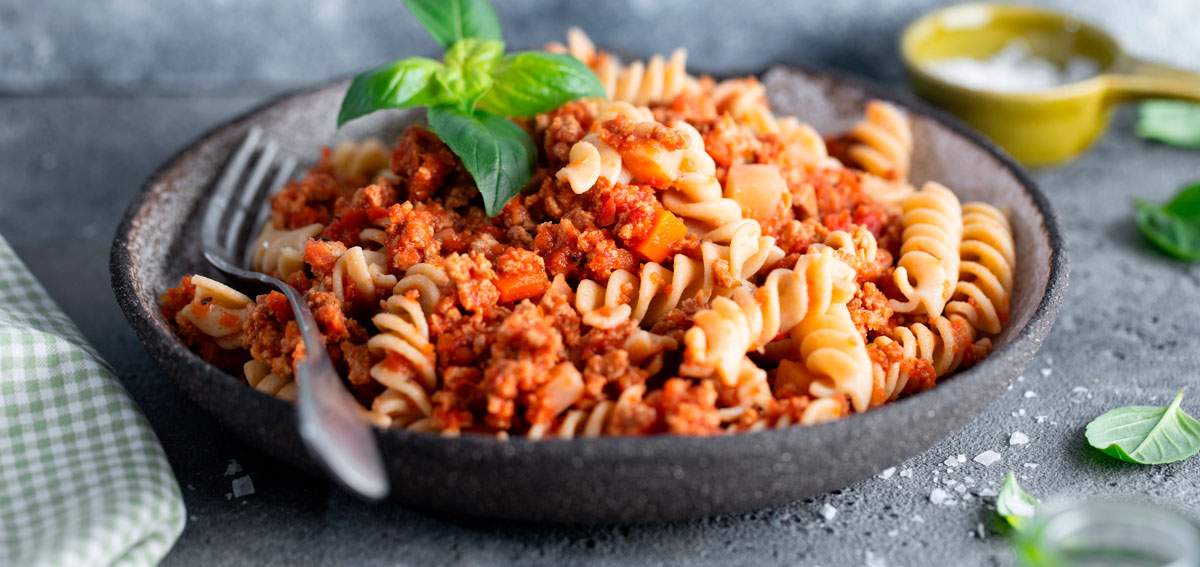
Bolognese Meat Sauce
Bolognese, known in Italy as ragù alla bolognese, is a slow-cooked meat sauce traditionally served with tagliatelle. Unlike a quick tomato-based meat sauce, its flavor comes primarily from the meat, aromatic vegetables, and long cooking time.
This home-friendly version combines beef, pork, pancetta, vegetables, wine, and a modest amount of tomato.
6 servings
20 minutes
2½–3 h
Ingredients
- 2 Tablespoons olive oil
- 2 oz pancetta, finely chopped
- 1 medium onion, finely diced
- 1 medium carrot, finely diced
- 1 celery stalk, finely diced
- 1 lb ground beef
- ½ lb ground pork
- ½ cup dry white wine
- 2 tablespoons tomato paste
- ¾ cup crushed tomatoes
- ½ cup whole milk
- 1–2 cups water or unsalted stock, as needed
- Salt and freshly ground black pepper
- 1 lb tagliatelle
Directions:
Heat the olive oil in a heavy-bottomed pot over medium heat. Add the pancetta and cook for 3–4 minutes, until it begins to release its fat.
Add the onion, carrot, and celery. Cook gently for 8–10 minutes, stirring occasionally, until softened without browning.
Add the ground beef and pork. Cook, breaking the meat into small pieces, until no longer pink and most of the released moisture has evaporated.
Pour in the wine and simmer until almost completely reduced.
Stir in the tomato paste and crushed tomatoes. Add ½ cup water or stock and bring to a gentle simmer.
Reduce the heat to low and cook partially covered for approximately 1 hour, stirring occasionally.
Add the milk and continue simmering for another 1–1½ hours, adding small amounts of water or stock whenever the sauce becomes too dry.
Season with salt and pepper. The finished ragù should be rich, thick, and moist rather than watery.
Cook the tagliatelle until al dente. Toss with the ragù, adding a splash of pasta cooking water if needed.
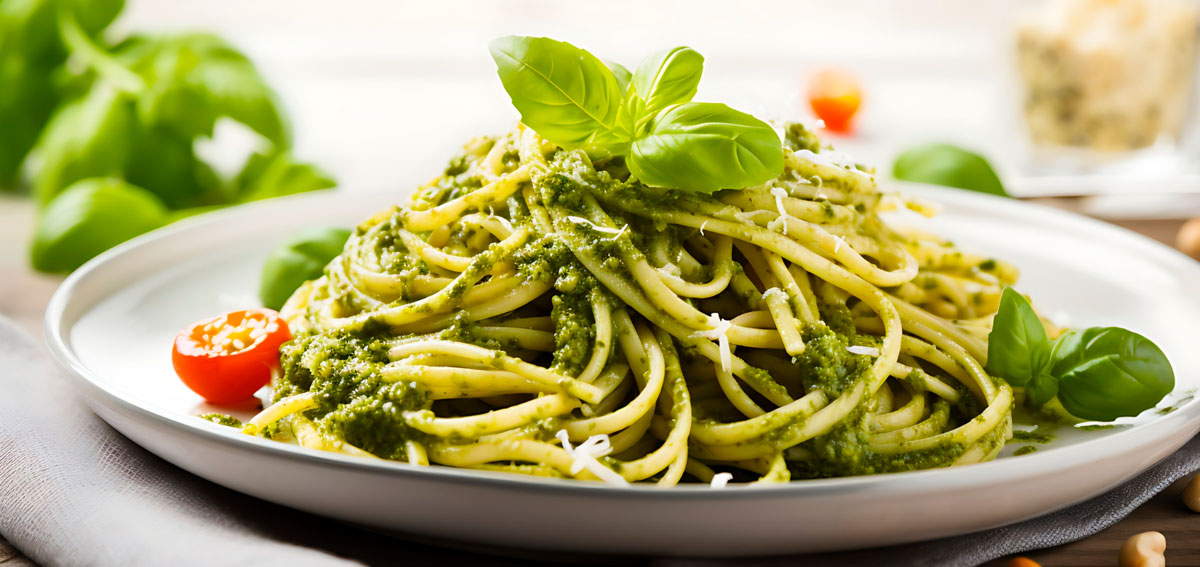
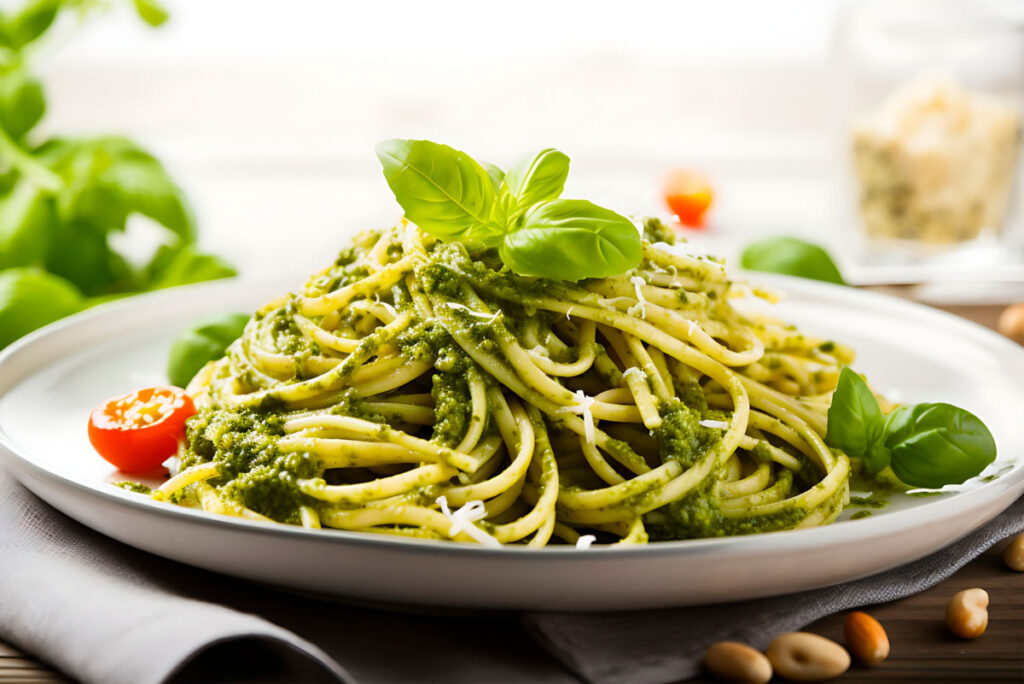
Classic Basil Pesto
Pesto is a fresh sauce from Liguria made with basil, pine nuts, garlic, cheese, and olive oil. Its bright flavor depends on using fresh ingredients and avoiding excessive heat.
Traditionally prepared with a mortar and pestle, pesto can also be made in a food processor using short pulses.
4 servings
15 minutes
No required
Ingredients
- 2 Packed cups fresh basil leaves
- ¼ cup pine nuts
- 1 small garlic clove
- ⅓ cup finely grated Parmesan cheese
- 3 tablespoons finely grated Pecorino Romano
- ½ cup extra-virgin olive oil
- Salt, to taste
- 12 oz trofie, linguine, or fusilli
Directions:
Wash the basil if necessary and dry it thoroughly.
Place the pine nuts and garlic in a food processor. Pulse until finely chopped.
Add the basil and pulse briefly, scraping down the sides as needed.
Add the grated cheeses and pulse a few more times.
Gradually add the olive oil, using short pulses, until the ingredients form a thick but spoonable sauce. Avoid prolonged blending.
Taste and add a little salt if necessary.
Cook the pasta until al dente, reserving ½ cup of cooking water before draining.
Remove the pasta from direct heat. Add the pesto and toss gently, incorporating a little warm pasta water until the sauce coats the pasta evenly.
2. Creamy Pasta sauces: Alfredo and Carbonara
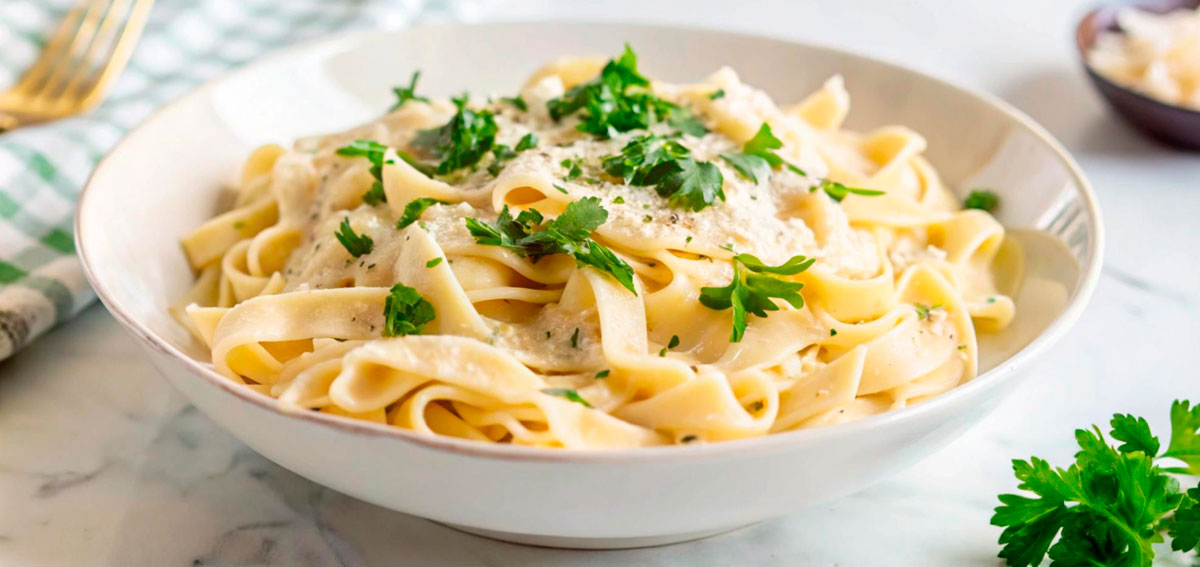
Alfredo Sauce
Puttanesca is a bold tomato sauce made with anchovies, olives, capers, and garlic. The anchovies dissolve into the olive oil, creating a savory base without overpowering the other ingredients.
4 servings
5 minutes
10-15 minutes
Ingredients
- 4 Tablespoons unsalted butter
- 1 cup heavy cream
- 1 cup finely grated Parmesan cheese
- Freshly ground black pepper
- Salt, to taste
- 12 oz fettuccine
Directions:
Cook the fettuccine in salted boiling water until just shy of al dente. Reserve ½ cup of pasta cooking water before draining.
Meanwhile, melt the butter in a large skillet over medium-low heat.
Add the heavy cream and simmer gently for 2–3 minutes. Do not boil vigorously.
Add the drained pasta to the skillet and toss until coated.
Remove the skillet from the heat. Gradually add the Parmesan, tossing continuously until the cheese melts into the sauce.
Add small amounts of reserved pasta water as needed to create a smooth, creamy consistency.
Finish with black pepper, taste for salt, and serve immediately.
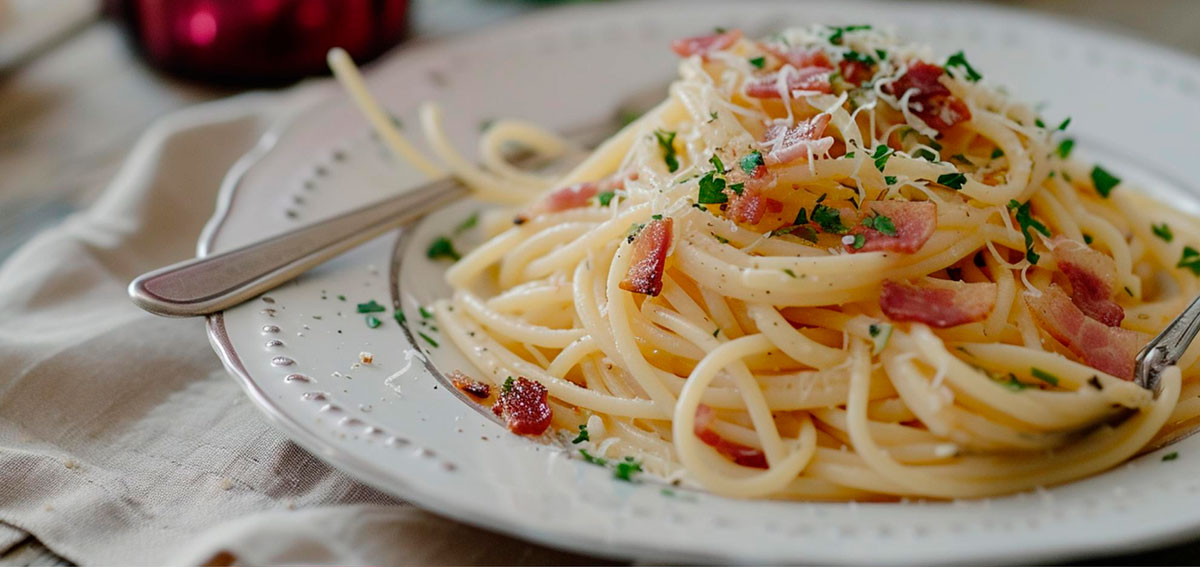
Traditional style Carbonara
Traditional Roman carbonara contains no cream. Its silky texture comes from eggs, Pecorino Romano, guanciale, and starchy pasta cooking water.
The most important part of the recipe is controlling the heat when combining the egg mixture with the pasta.
4 servings
10 minutes
15 minutes
Ingredients
- 12 oz Spaghetti or rigatoni
- 5 oz guanciale, cut into small strips
- 2 pasteurized whole eggs
- 2 pasteurized egg yolks
- 1 cup finely grated Pecorino Romano
- Freshly ground black pepper
Directions:
Bring a large pot of water to a boil. Salt lightly, since the guanciale and cheese will contribute salt.
Place the guanciale in a cold skillet and cook over medium-low heat until the fat renders and the meat becomes golden and lightly crisp.
In a heatproof bowl, whisk together the pasteurized eggs, yolks, Pecorino Romano, and a generous amount of black pepper.
Cook the pasta until al dente, reserving at least 1 cup of pasta cooking water before draining.
Transfer the pasta to the skillet with the guanciale and toss to coat it in the rendered fat.
Remove the skillet from the heat and let it cool briefly so the eggs will not scramble.
Add the egg mixture and toss continuously, incorporating small amounts of hot pasta water until the sauce becomes glossy and coats the pasta.
If the sauce needs additional thickening, place the skillet over very gentle heat for a few seconds at a time, stirring constantly. Avoid allowing the eggs to scramble.
Serve immediately with additional black pepper.
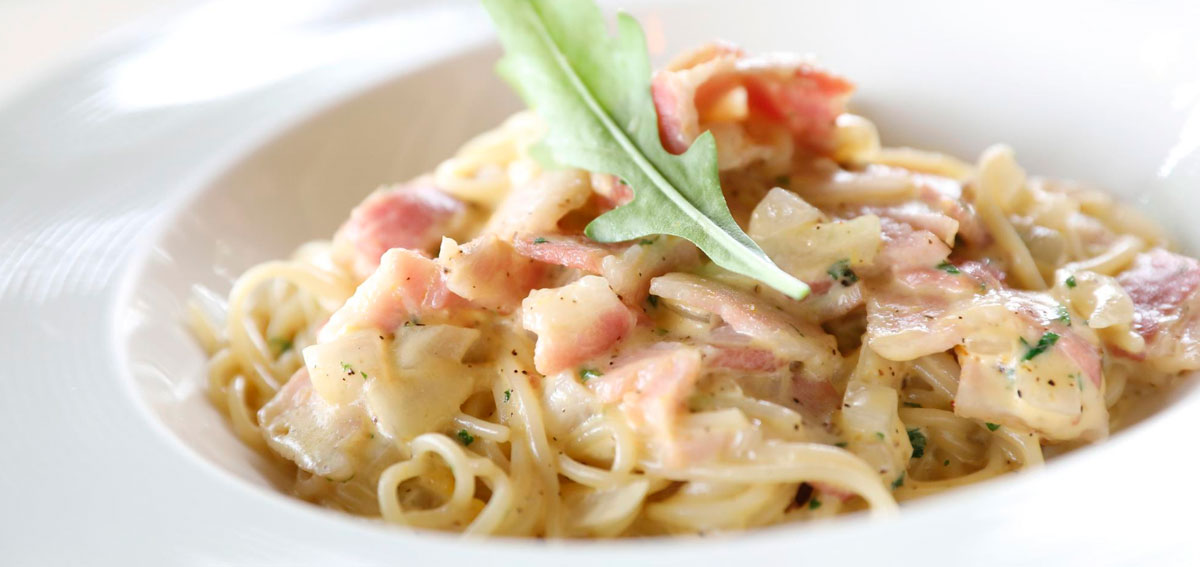
Creamy Bacon Pasta Sauce
This cream-based bacon sauce is a practical alternative for anyone who enjoys the flavors of carbonara but prefers a sauce made without eggs. It is rich, savory, and particularly well suited to short pasta.
4 servings
10 minutes
15 minutes
Ingredients
- 6 oz Bacon or pancetta, diced
- 1 tablespoon unsalted butter
- 1 cup heavy cream
- ½ cup finely grated Parmesan cheese
- Freshly ground black pepper
- 2 tablespoons chopped fresh parsley
- 12 oz penne or rigatoni
Directions:
Place the bacon in a large skillet over medium heat and cook until golden and lightly crisp.
Drain off the excess fat, leaving approximately 1 tablespoon in the skillet.
Add the butter and cream. Simmer gently for 3–4 minutes, until the sauce begins to thicken slightly.
Reduce the heat to low.
Meanwhile, cook the pasta until just shy of al dente. Reserve ½ cup of cooking water before draining.
Add the pasta to the skillet and toss with the cream sauce.
Remove from the heat and gradually incorporate the Parmesan, adding a little reserved pasta water if needed.
Finish with black pepper and parsley. Serve immediately.
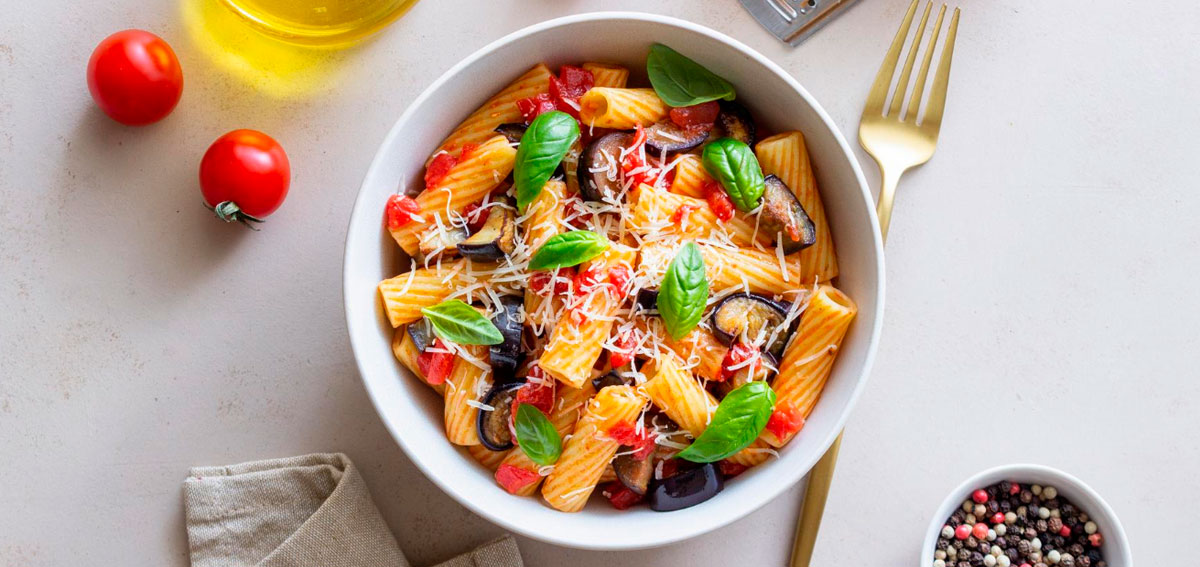
Sicilian-Inspired Tomato and Vegetable Sauce
This hearty tomato sauce combines eggplant, zucchini, bell pepper, and garlic. Inspired by the vegetables commonly used in Sicilian cooking, it makes a satisfying pasta dish without meat.
Browning the eggplant before adding the tomatoes gives the sauce a deeper flavor and helps the vegetables retain their texture.
4 servings
10 minutes
15 minutes
Ingredients
- 3 Tablespoons extra-virgin olive oil
- 1 medium onion, diced
- 1 red or green bell pepper, diced
- 1 small eggplant, cut into ½-inch cubes
- 1 medium zucchini, cut into ½-inch cubes
- 3 garlic cloves, minced
- 1 can (28 oz) crushed tomatoes
- ½ teaspoon dried oregano
- Salt and freshly ground black pepper
- Fresh basil, for serving
- 12–16 oz rigatoni, penne, or fusilli
Directions:
Heat 2 tablespoons olive oil in a large skillet over medium-high heat.
Add the eggplant and cook for 6–8 minutes, stirring occasionally, until lightly browned. Transfer to a plate.
Add the remaining tablespoon of olive oil to the skillet, followed by the onion and bell pepper. Cook for 4–5 minutes until softened.
Add the zucchini and cook for another 3 minutes.
Stir in the garlic and oregano. Cook for 30 seconds, until fragrant.
Return the eggplant to the skillet and add the crushed tomatoes.
Reduce the heat to medium-low and simmer uncovered for 15–20 minutes, stirring occasionally, until the vegetables are tender and the sauce has thickened.
Season with salt and pepper.
Cook the pasta until just shy of al dente, reserving ½ cup of cooking water before draining.
Toss the pasta with the sauce, adding a little cooking water if needed. Finish with torn fresh basil.
Which Pasta Sauce Should You Make?
Different sauces work better with different pasta shapes. Long strands pair well with smooth or silky sauces, while ridged and tubular shapes help capture chunky ingredients.
Sauce | Best pasta pairing | Flavor | Approx. total time |
|---|---|---|---|
Arrabbiata | Penne | Spicy, bright | 25 min |
Amatriciana | Bucatini, rigatoni | Savory, rich | 35 min |
Puttanesca | Spaghetti, linguine | Briny, bold | 30 min |
Bolognese | Tagliatelle, pappardelle | Rich, meaty | 3 hr |
Basil pesto | Trofie, fusilli | Fresh, herbal | 25–30 min |
Alfredo | Fettuccine | Creamy, buttery | 15–20 min |
Carbonara | Spaghetti, rigatoni | Silky, savory | 25 min |
Creamy bacon | Penne, rigatoni | Creamy, smoky | 30 min |
Vegetable tomato | Rigatoni, fusilli | Hearty, aromatic | 45–50 min |
One technique improves nearly every pasta dish: reserve some pasta cooking water before draining. Its starch helps sauces cling to the pasta and makes it easier to adjust their consistency.
For most tomato and meat sauces, finish cooking the pasta directly in the skillet. For pesto, carbonara, and cheese-based sauces, use gentle or residual heat to preserve a smooth texture.
-

EcoSteel Skillet 18/10 Stainless Steel
$31.99 Select options This product has multiple variants. The options may be chosen on the product page(0) -
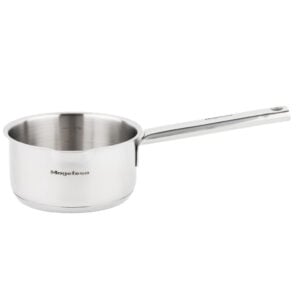
Versatile 1.1 Qt. Stainless Steel Saucepan
$31.99 Add to cart(0) -
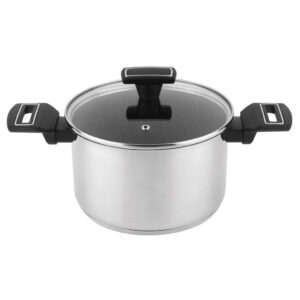
Onix Stainless Steel Casserole Pot with Lid
$48.99 Select options This product has multiple variants. The options may be chosen on the product page(0) -
Balance Collapsible Colander & Steamer
$23.99 Add to cart(0)

Share