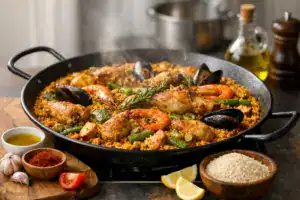
How to Cook Rice: Water Ratios, Times & Tips
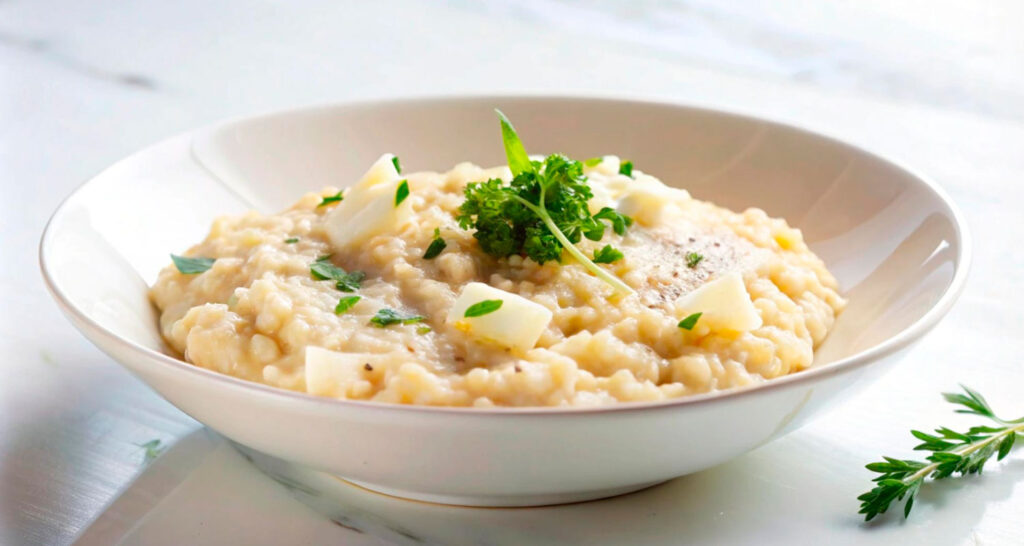
How to Cook Rice Perfectly: Water Ratios, Cooking Times, and Techniques
Cooking rice perfectly comes down to choosing the right variety, measuring the water carefully, and controlling the heat. For everyday white rice, a covered saucepan and a short resting period are usually all you need to produce tender, fluffy grains.
But rice isn’t always meant to be fluffy. Risotto should be creamy, paella should have distinct grains, and brothy rice should remain moist and spoonable. Each dish calls for a different approach.
How to Cook White Rice on the Stovetop
The absorption method is one of the simplest ways to prepare long-grain white rice. The grains cook in a measured amount of water, absorbing the liquid without needing to be drained.
Ingredients
1 cup long-grain white rice
Approximately 1½ cups water
Pinch of salt, optional
Step-by-step instructions
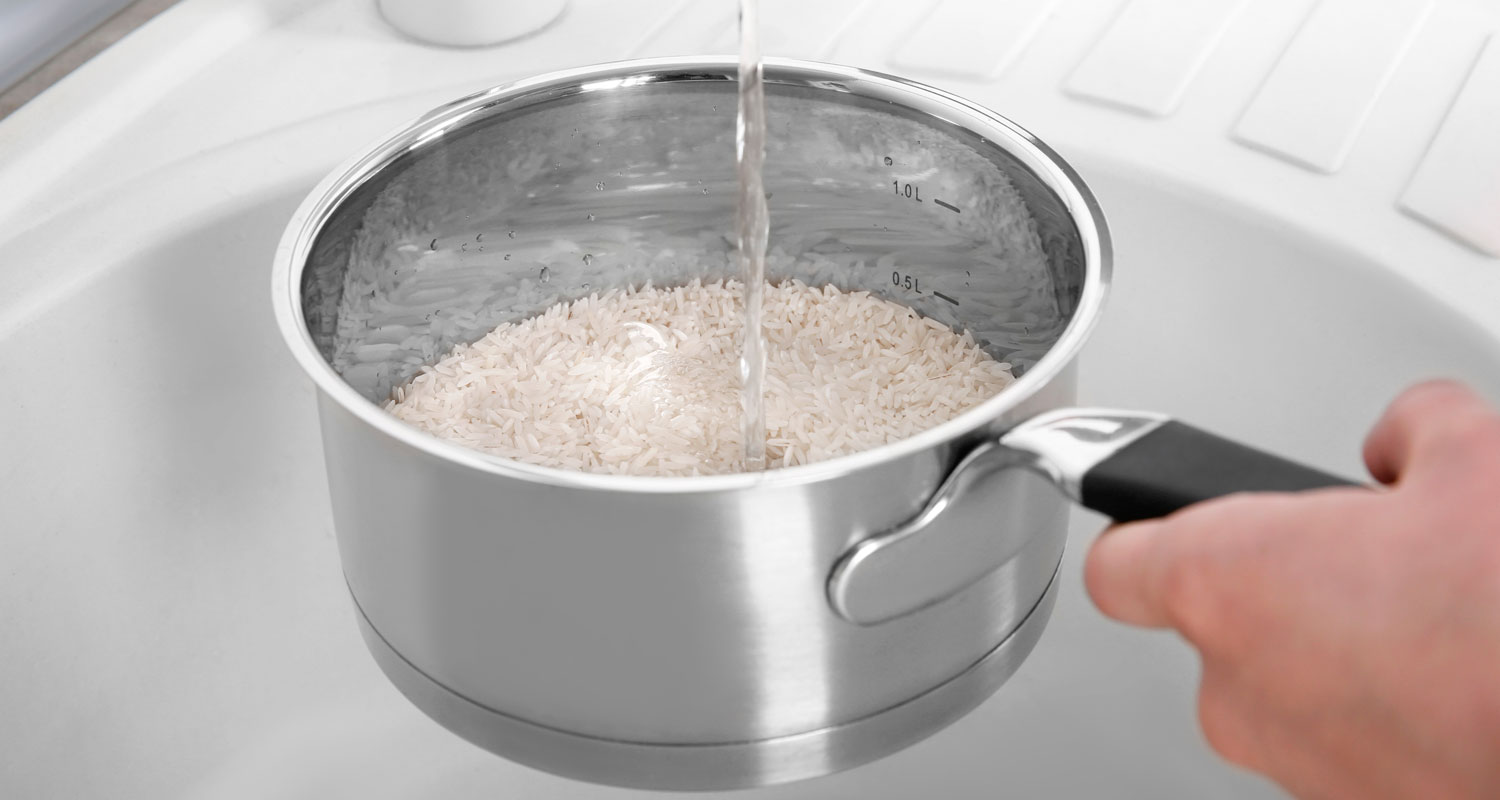
Rinse the rice. Place it in a fine-mesh strainer and rinse under cool running water until the water becomes less cloudy.
Add the water. Combine the rice, water, and salt in a saucepan with a tight-fitting lid.
Bring to a boil. Heat until the water begins bubbling.
Reduce the heat. Cover the pan and lower the heat to its lowest setting.
Cook for 15–18 minutes. Keep the lid closed so steam remains inside.
Rest for 10 minutes. Remove the saucepan from the heat without uncovering it.
Fluff with a fork. Gently separate the grains before serving.
A heavy-bottomed saucepan with a well-fitting lid is especially useful for this method. It distributes heat more evenly and helps prevent moisture from escaping too quickly.
Rice-to-Water Ratios and Cooking Times
Different varieties of rice need different amounts of water. Grain structure, processing, and starch composition all influence how rice absorbs liquid.
Use this table as a starting point for stovetop cooking.
| Rice variety | Rice-to-water ratio | Cooking time | Texture |
|---|---|---|---|
| Long-grain white rice | 1:1½ | 15–18 min | Fluffy, separate grains |
| Jasmine rice | 1:1¼–1½ | 12–15 min | Soft, slightly clingy |
| Basmati rice | 1:1½ | 12–15 min | Light, fragrant |
| Brown rice | 1:2 | 35–45 min | Chewy, nutty |
| Short-grain white rice | 1:1¼–1½ | 15–20 min | Tender, slightly sticky |
Ratios are measured by volume. Cooking times begin once the covered rice is simmering and exclude resting time. Always check package instructions, since varieties and processing methods differ.
Choosing the Right Rice for Each Dish
Rice varieties behave differently because of their starch composition.
The two main components of rice starch are amylose and amylopectin. Rice with relatively more amylose generally produces firmer, more separate grains. Rice with more amylopectin tends to cook into a softer, stickier texture.
This helps explain why some varieties work well as fluffy side dishes while others are better suited to creamy preparations.
| Rice type | Best for | Key characteristic |
|---|---|---|
| Long-grain white rice | Side dishes, pilafs | Grains tend to remain separate |
| Basmati | Curries, biryani | Fragrant, elongated grains |
| Jasmine | Thai-inspired dishes | Soft, aromatic texture |
| Arborio or Carnaroli | Risotto | Releases starch for creaminess |
| Bomba | Paella | Absorbs flavorful stock while holding its shape |
| Short-grain rice | Sushi-style rice, rice bowls | Naturally cohesive texture |
The key distinction: Perfect rice doesn’t always mean separate grains. The ideal texture depends on the dish you’re preparing.
Different Ways to Cook Rice
The cooking method can completely change the character of rice. These four techniques illustrate how the same basic ingredient can produce very different results.
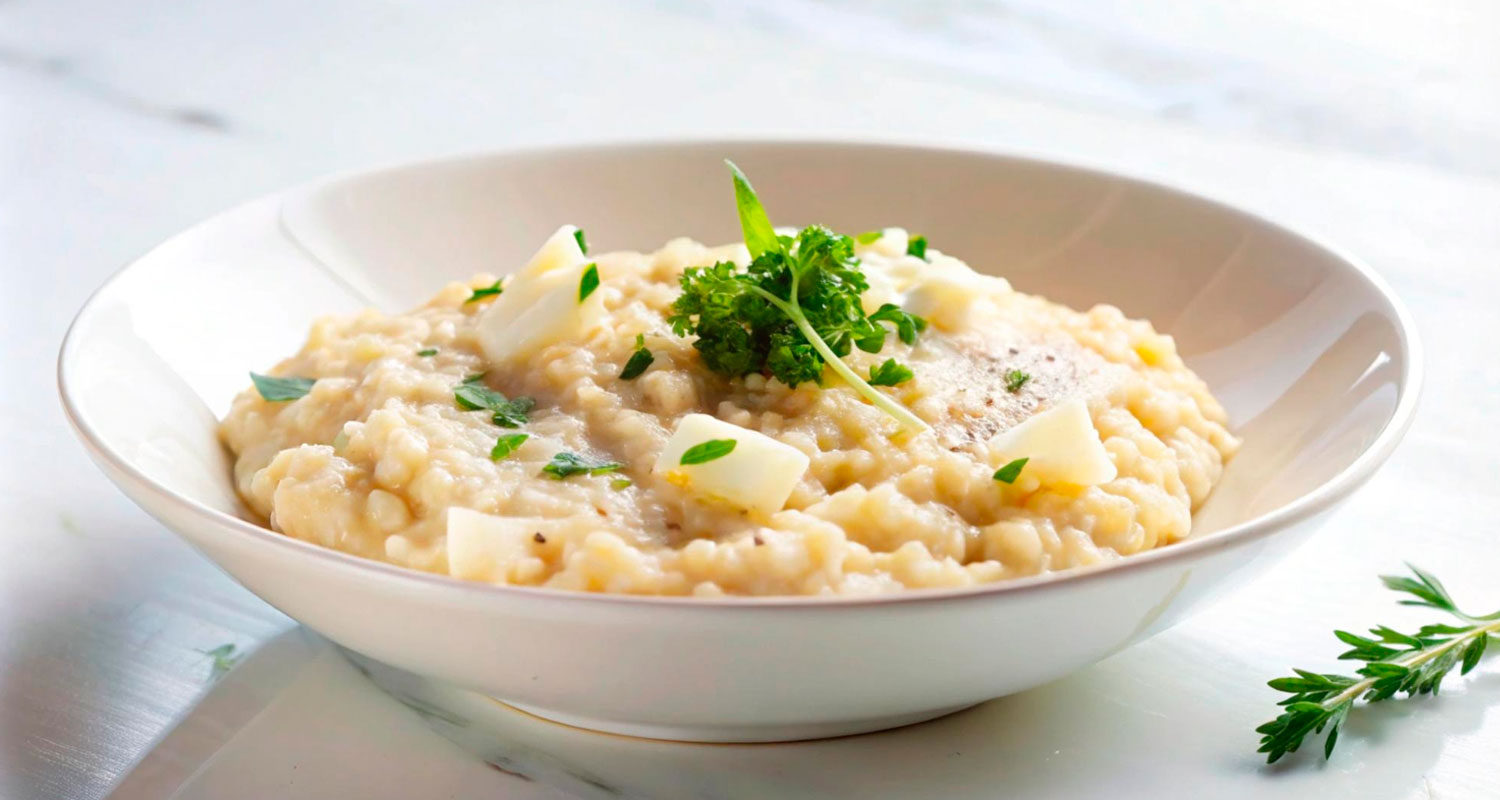
Risotto: Creamy Rice Without Heavy Cream
Risotto is a traditional Italian preparation usually made with varieties such as Arborio, Carnaroli, or Vialone Nano.
The rice is cooked with aromatics and fat, then gradually hydrated with warm stock. Regular stirring encourages starch release and helps create a creamy sauce around the grains.
The finished risotto should be tender with a slight bite and loose enough to spread gently across the plate.
Butter and Parmesan are often incorporated at the end to enrich the texture. Heavy cream is not necessary.
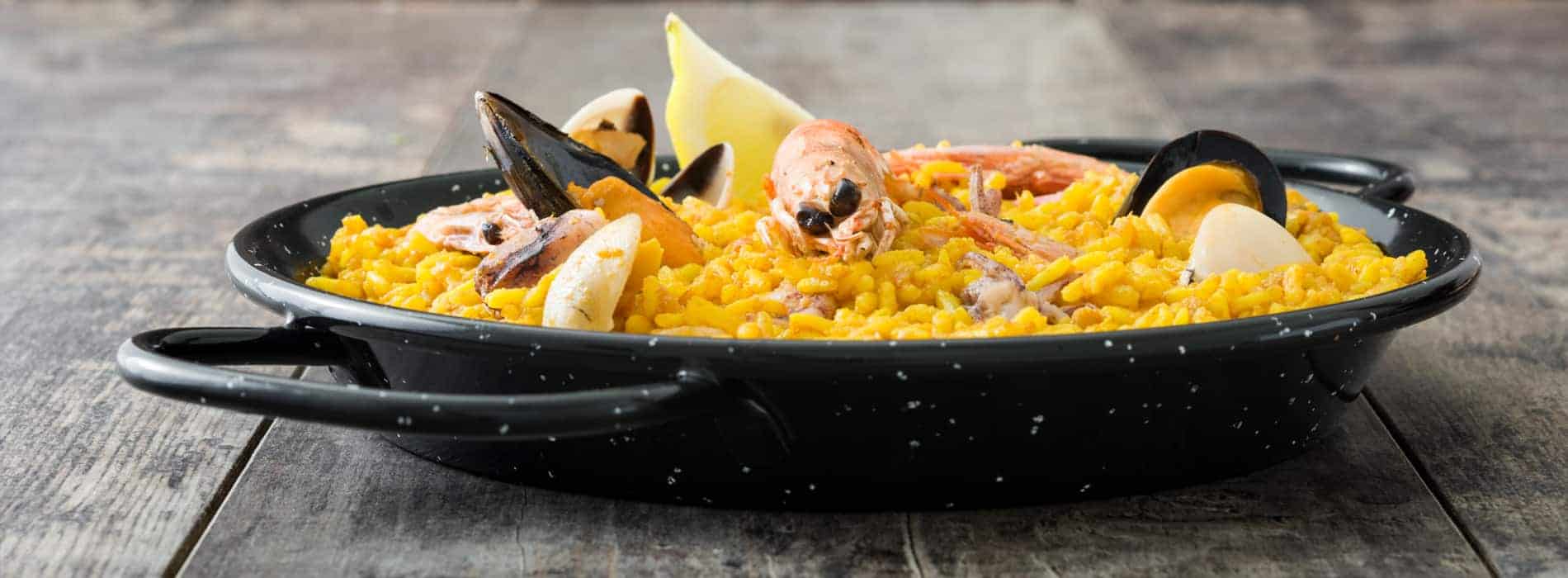
Paella: Distinct Grains and Concentrated Flavor
Paella uses a different approach. Rice cooks in a broad, shallow pan with seasoned stock, allowing the liquid to evaporate across a large surface.
Spanish varieties such as Bomba are well suited to this technique because they absorb flavorful cooking liquid while retaining their structure.
Once the rice is evenly distributed, avoid unnecessary stirring. Unlike risotto, paella isn’t intended to develop a creamy sauce.
A distinctive feature of some paellas is Socarrat, a thin layer of toasted rice that forms at the bottom of the pan. Properly developed, it adds a pleasant roasted flavor without tasting burnt.
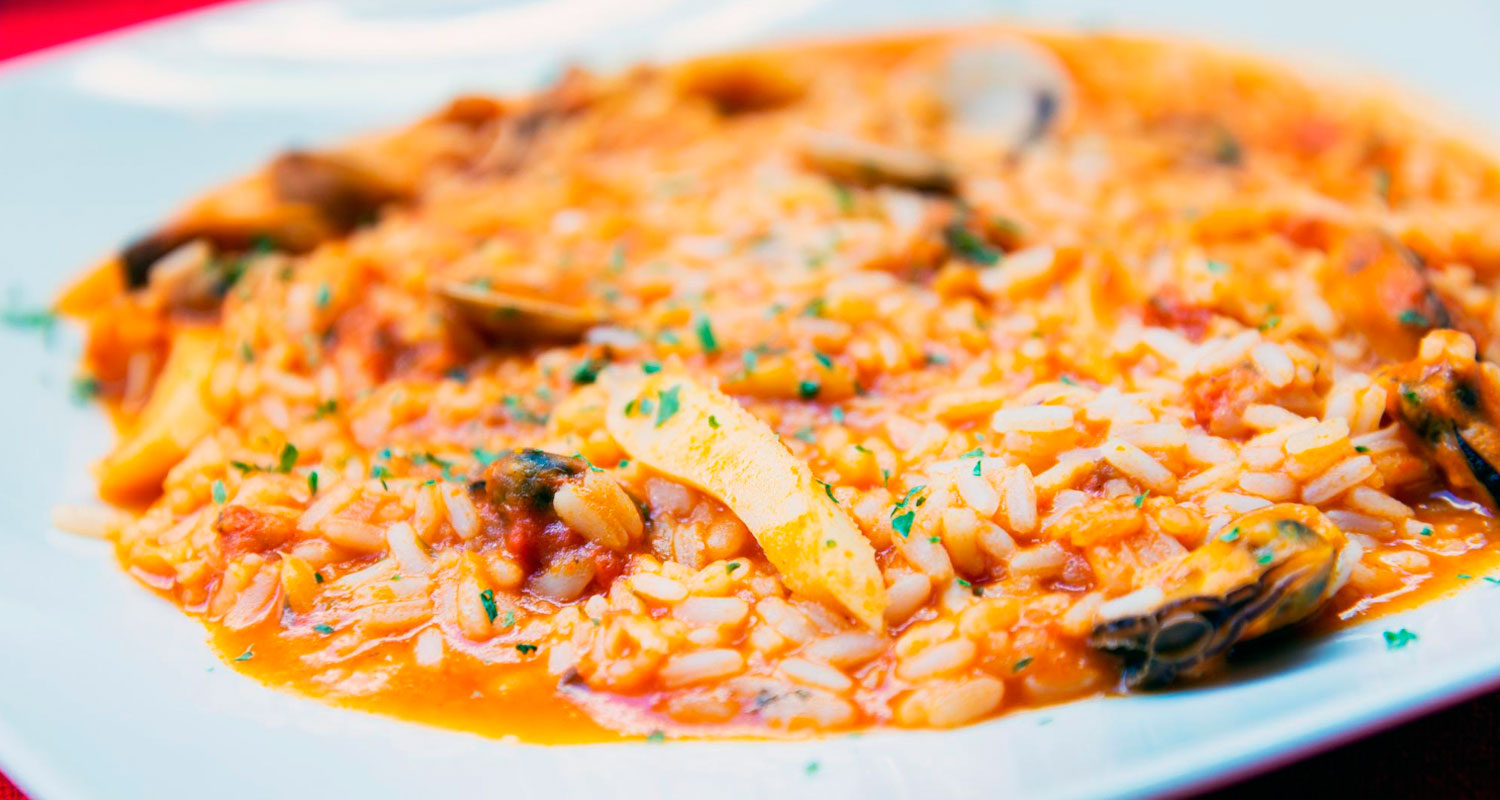
Brothy Rice: A Softer, Spoonable Dish
Known as Arroz caldoso in Spanish cooking, brothy rice contains more liquid than paella.
The goal is tender rice served in a flavorful broth rather than a dry preparation. A deeper saucepan or casserole is generally more suitable than a shallow paella pan.
A related preparation, Arroz meloso, has less free liquid and a creamier consistency.
Serve these dishes promptly. Rice continues absorbing broth after cooking, so the texture can become noticeably thicker as it sits.
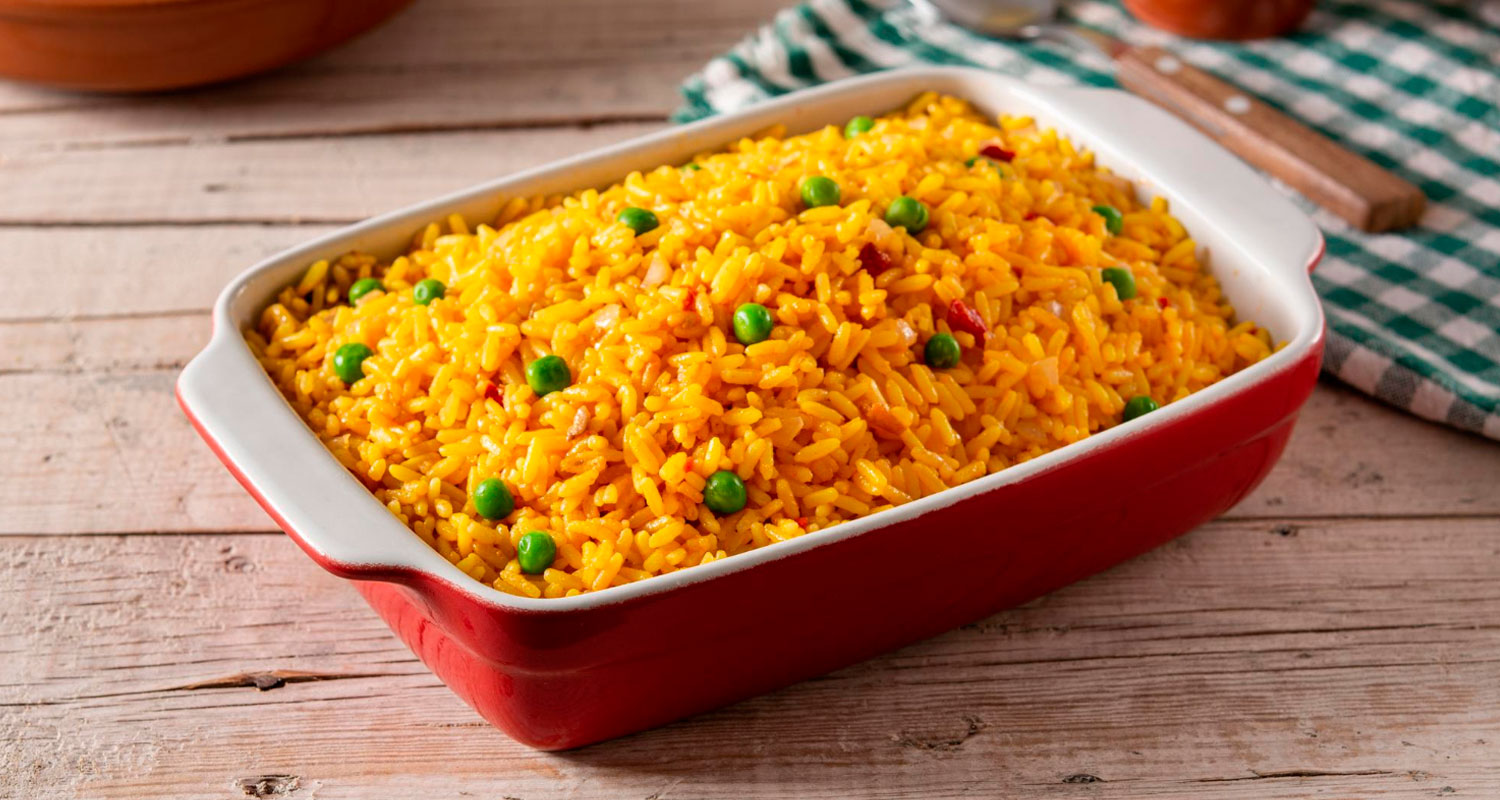
Baked Rice: Gentle, Even Cooking
Baked rice is particularly useful for casseroles and dishes that combine rice with vegetables, meat, or seasoned stock.
An oven-safe vessel distributes heat around the rice, while a lid or tightly fitted foil helps retain moisture.
For dishes with a browned topping, uncover the pan toward the end of cooking. Cheese can create a golden crust, but it isn’t essential to baked rice.
Common Rice Cooking Mistakes and How to Fix Them
Even small differences in water, temperature, or cooking time can affect the finished dish. These are the most common problems and how to correct them.
| Problem | Likely cause | How to fix it |
|---|---|---|
| Mushy rice | Too much water or overcooking | Use slightly less water next time and check the cooking time |
| Hard rice | Insufficient water or cooking time | Add a splash of hot water, cover, and cook gently for a few more minutes |
| Burnt bottom | Excessive heat or uneven heating | Reduce the heat and use a heavy-bottomed saucepan |
| Wet rice | Excess liquid remains | Let it rest covered, then check the texture before serving |
| Sticky grains | Surface starch or an unsuitable variety | Rinse when appropriate and choose rice suited to separate grains |
| Bland rice | Insufficient seasoning | Season the water or use a suitable broth |
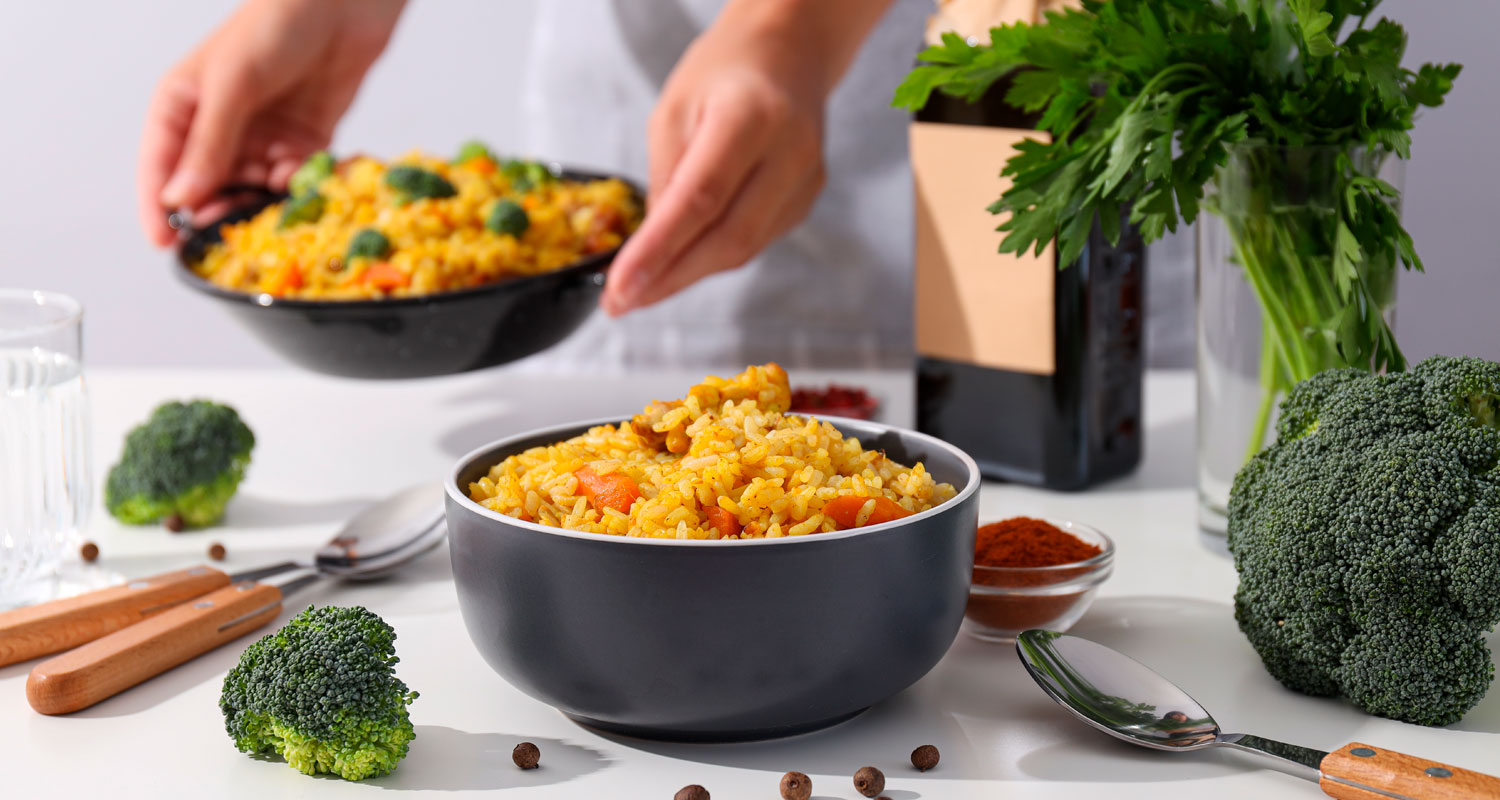
Should You Stir Rice While It Cooks?
That depends on the preparation.
For ordinary white rice cooked by absorption, frequent stirring can break the grains and release additional starch, making the finished rice stickier.
Risotto benefits from regular stirring to develop its creamy texture. Paella, by contrast, is generally left undisturbed after the rice has been distributed.
Frequently Asked Questions about Aluminum Cookware
Share