
Stainless Steel vs Nonstick Cookware: Which Fits?
Two materials, two cooking methods: learn about their benefits and find out which one suits you best.
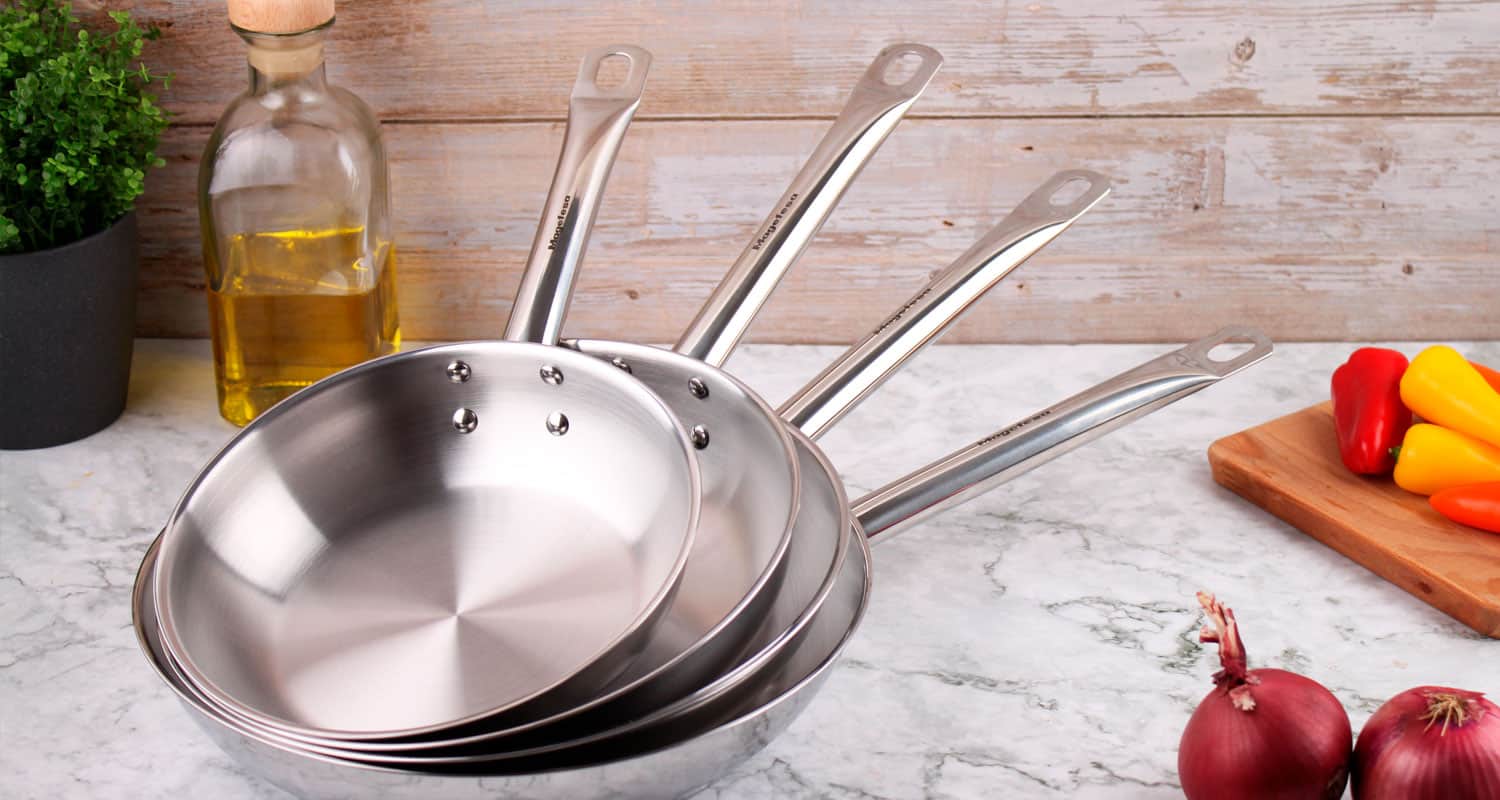
A weeknight dinner can ask a lot from one pan: brown chicken without tearing the skin, cook vegetables evenly, and leave enough flavor behind for a quick pan sauce. That is why the stainless steel vs nonstick cookware choice is less about finding one “best” material and more about choosing the right tool for the meal, your cooking habits, and how long you expect your cookware to serve your kitchen.
For many family kitchens, the smartest setup includes both. Stainless steel brings durability and high-heat versatility, while nonstick makes delicate foods and fast cleanup far easier. Knowing where each pan shines helps you cook with more confidence and avoid buying cookware that does not match the way you actually prepare meals.
Stainless Steel vs Nonstick Cookware at a Glance
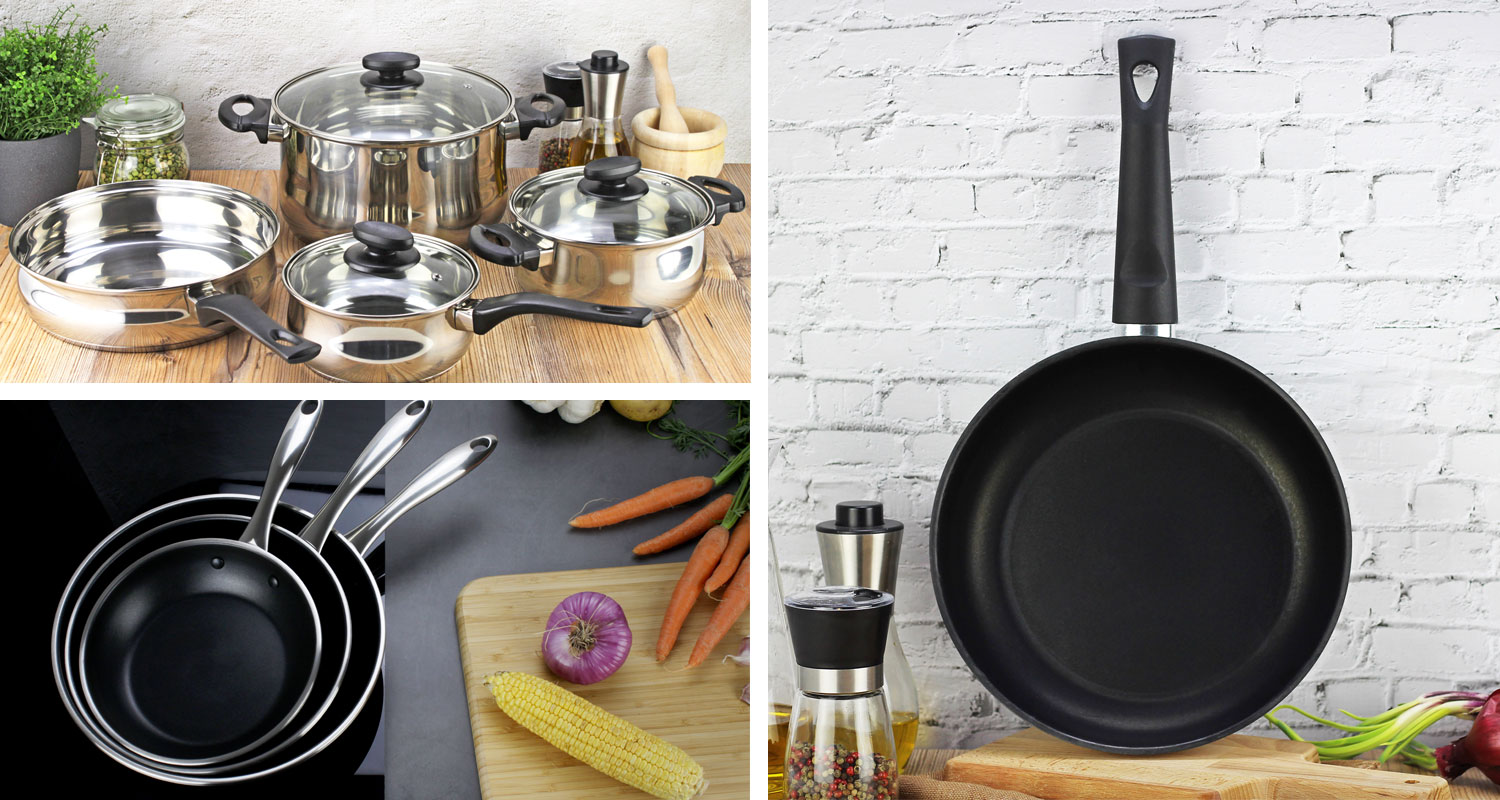
Stainless steel cookware is made for cooking that benefits from high heat, browning, and building flavor. It has no coating to wear away, and a well-made stainless steel pan can remain a dependable part of your kitchen for many years. It is especially useful for searing meats, sautéing vegetables, simmering sauces, and moving from the stovetop to the oven when the recipe calls for it.
Nonstick cookware has a smooth coated surface designed to release food with little oil or butter. It is a practical choice for eggs, pancakes, fish fillets, quesadillas, and other foods that can stick or break apart. It is also welcome on busy mornings, when a quick cleanup means less time at the sink and more time around the table.
The trade-off is straightforward. Stainless steel takes a little more technique, particularly at first, but usually offers greater longevity and higher-heat performance. Nonstick is forgiving and convenient, but it needs gentler heat and careful utensil use to protect its cooking surface.
When Stainless Steel Is the Better Choice
A stainless steel skillet earns its place when flavor starts with a good sear. Think chicken thighs with crisp, golden skin; pork chops; mushrooms; or onions cooked until deeply browned. As food cooks, small browned bits can form on the pan. Those bits are not a cleanup failure. Add stock, wine, citrus juice, or water, then scrape gently, and they become the foundation of a flavorful sauce.
Stainless steel is also a strong choice for recipes that change direction halfway through cooking. You may brown meat, add aromatics, simmer a sauce, and finish the dish in the oven. A quality pan with a sturdy base distributes heat more evenly and gives you the control to handle those transitions.
For traditional dishes made for sharing, stainless steel can be especially useful. It handles sautéed sofrito, simmered rice dishes, and larger batches with confidence. While a dedicated paella pan remains the right choice for authentic paella technique, dependable stainless steel cookware supports many of the preparations that bring a Spanish-inspired meal to the table.
How to Keep Food From Sticking to Stainless Steel
The key is heat management, not excessive oil. Preheat the empty pan over medium heat for a minute or two, then add oil. When the oil moves easily across the surface, add dry food and give it space. If chicken, fish, or vegetables are wet from rinsing, pat them dry first.
Just as important, resist moving food too soon. Proteins often stick briefly before they naturally release as a crust develops. If you try to turn them immediately, they can tear. Give the food time, then test it gently with a spatula.
Stainless steel is not the ideal pan for every job. Eggs can be cooked in it with patience and enough fat, but a nonstick skillet makes the process simpler. A practical kitchen does not need every pan to do everything.
When Nonstick Cookware Makes More Sense
Nonstick cookware is at its best when tenderness and easy release matter more than deep browning. A soft omelet, fried eggs, crepes, flaky fish, and grilled cheese all benefit from a smooth surface that lets food slide out cleanly. It is also a helpful option for cooks who are learning, cooking with less added fat, or preparing fast meals for hungry family members.
Cleanup is another real advantage. With a nonstick pan, many meals need only a gentle wipe or a quick wash with a soft sponge. That convenience can make home cooking feel more manageable on busy school nights and after long workdays.
Use nonstick cookware over low to medium heat unless the pan’s care instructions say otherwise. High heat can shorten the life of the coating and is rarely necessary for the foods nonstick handles best. Choose silicone, wood, or nylon utensils rather than metal tools, and avoid abrasive scrubbers.
A nonstick pan is not built to replace a stainless steel skillet for every task. It will not create the same dark sear on steak or develop as much fond for pan sauces. But for the foods it is designed to cook, it can be one of the most useful pieces in the cabinet.
Heat, Oven Use, and Everyday Durability
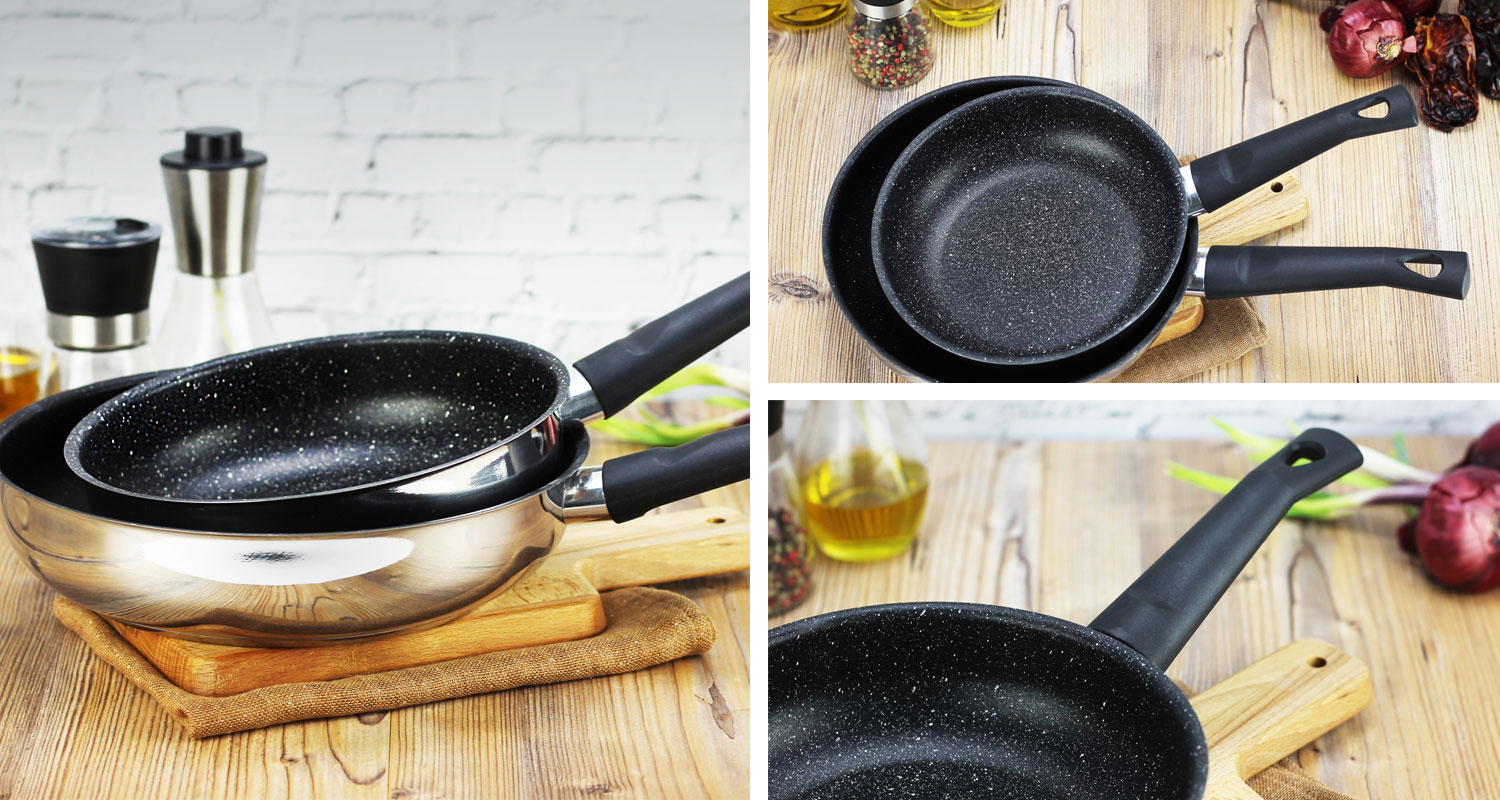
Heat tolerance is one of the clearest differences between the two materials. Stainless steel generally handles higher temperatures, making it the stronger choice for searing and many oven-finished recipes. Always check the handle and lid specifications for your particular cookware, since oven safety can vary by design.
Nonstick pans work best at more moderate temperatures. Medium heat is often enough for eggs, vegetables, chicken cutlets, and fish. Starting with a lower setting may feel unfamiliar if you are used to cooking everything on high, but it protects the surface and often cooks delicate foods more evenly.
Durability also depends on what you mean by the word. Stainless steel can tolerate regular use, metal utensils, and vigorous cleaning better than coated cookware. It may show water spots or discoloration over time, yet those marks are usually cosmetic and do not stop the pan from performing.
Nonstick cookware needs more care, and its surface will not last forever. Replace it when the coating is significantly scratched, peeling, or no longer releases food properly. Treating it gently from day one helps you get the best service from it.
Which Cookware Is Easier to Clean?
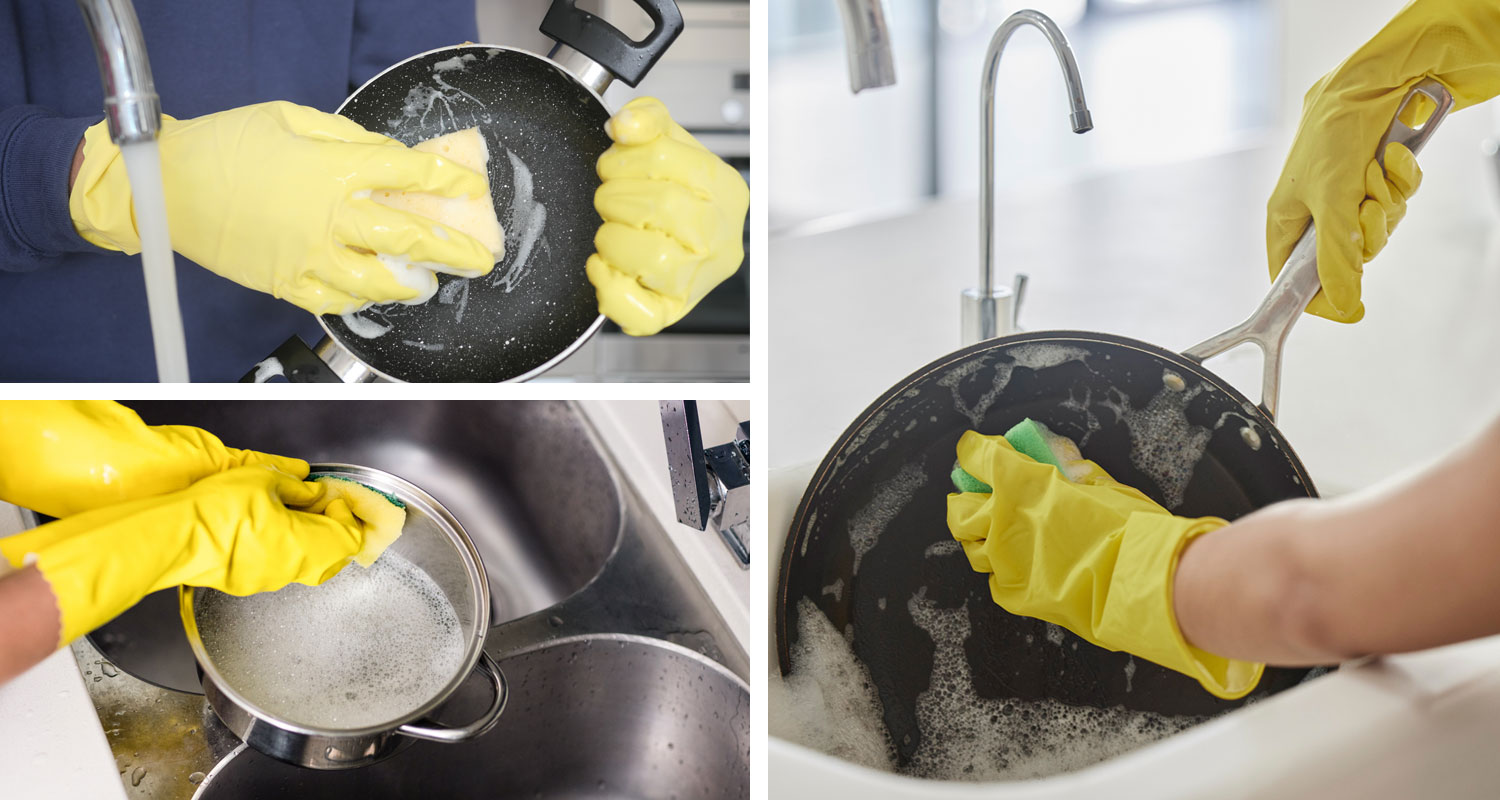
Nonstick wins for the quickest cleanup. Most residue lifts away easily, particularly after cooking eggs, cheese, or batter-based foods. Let the pan cool before washing, then use warm water, mild dish soap, and a soft sponge.
Stainless steel asks for a little more attention after sticky or browned foods, but it is not difficult to maintain. For ordinary cleanup, soak the pan in warm soapy water and wash with a nonabrasive sponge. For stubborn residue, add water to the pan, warm it gently, and loosen the food with a wooden spoon or soft utensil. A paste of baking soda and water can help with persistent marks.
Do not judge stainless steel by a mirror-like finish alone. A pan that has cooked hundreds of family meals may develop a few signs of use, and that is part of a kitchen built for real cooking. The goal is dependable performance, not a pan that never looks touched.
A Smart Cookware Setup for Most Homes
If you are building a kitchen from scratch, start with one quality stainless steel skillet and one everyday nonstick skillet. The stainless pan covers searing, sauces, vegetables, and one-pan meals. The nonstick pan handles breakfast, delicate proteins, and quick dishes that need an easy release.
Then consider the meals your household makes most often. If Sunday dinners involve braises, soups, beans, or tender cuts of meat, a pressure cooker can bring speed and consistency to the routine. If gatherings center on rice dishes and outdoor cooking, a paella pan and burner can turn a meal into an occasion. Magefesa USA has supported home cooks with high-quality kitchenware since 1948, with practical pieces designed for everyday use as well as traditions worth sharing.
The best purchase is not always the pan with the most features. It is the one you will reach for often, care for properly, and enjoy using year after year.
Choosing Based on What You Cook
Choose stainless steel if you regularly cook meat, enjoy pan sauces, want high-heat flexibility, or prefer cookware built for a long service life. It is also a good fit for cooks who like to develop their skills and appreciate the control that comes with adjusting heat, timing, and technique.
Choose nonstick if your kitchen relies on eggs, pancakes, fish, quick lunches, and easy cleanup. It is a sensible choice for busy households, newer cooks, and anyone who wants reliable results from delicate foods without much fuss.
There is no need to make the decision an either-or test. Keep stainless steel ready for the meals that deserve a rich sear and nonstick close by for the foods that need a gentle touch. With both working together, everyday cooking becomes easier to manage and more enjoyable to share.

