4 Delicious Greek Yogurt Sauce Recipes to Try
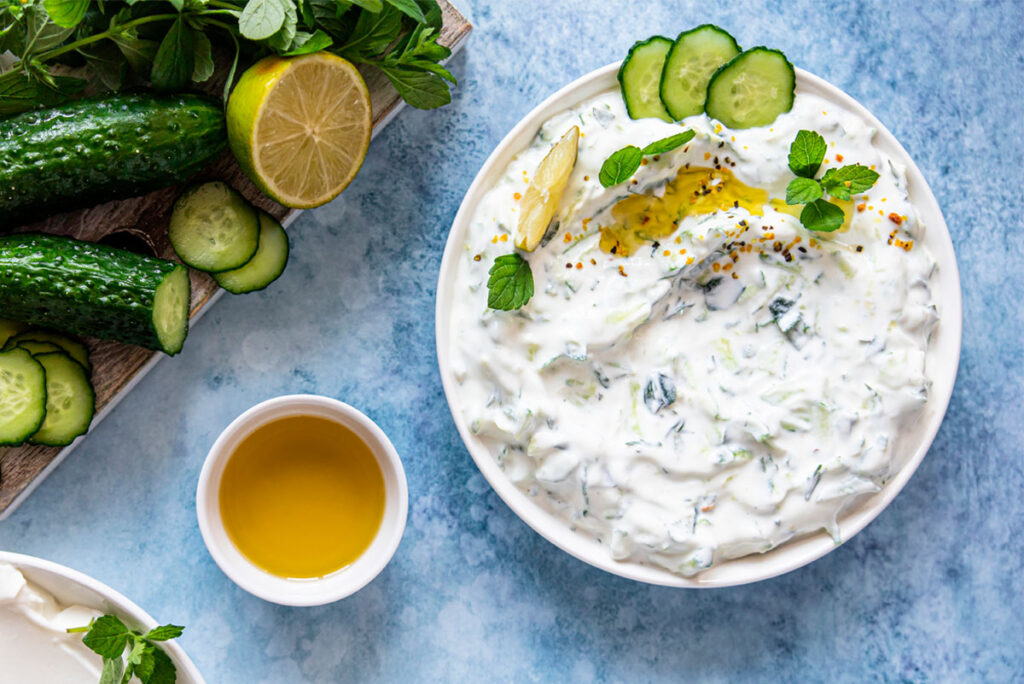
4 Delicious Greek Yogurt Sauce recipes for Meat, Fish, and Vegetables
Greek yogurt makes an excellent base for homemade sauces. Its thick texture and gentle tang pair well with fresh herbs, cucumber, spicy peppers, and even rich ingredients such as foie gras.
These four yogurt sauces are easy to prepare and require little or no cooking. Each has a distinct flavor, from fresh and herbal to creamy, savory, or spicy.
For the best results, use plain, unsweetened Greek yogurt. Sweetened or flavored varieties can upset the balance of a savory sauce.
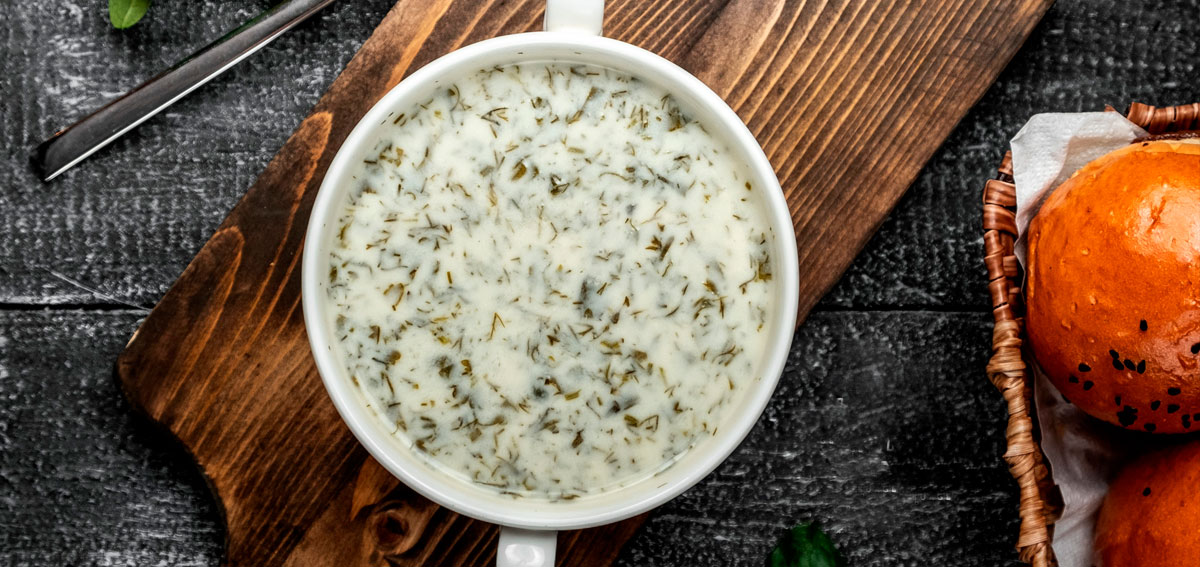
1. Tarragon Yogurt Sauce for Roast Beef and Chicken
Fresh tarragon has a distinctive herbal flavor with subtle anise notes. Combined with Greek yogurt and lemon, it creates a bright, creamy sauce that works particularly well with roast beef, chicken, and cold sliced meats.
10 minutes
0 minutes
25 minutes
Ingredients:
-
1 Cup plain, unsweetened Greek yogurt
-
1 tablespoon finely chopped fresh tarragon leaves
-
1 teaspoon fresh lemon juice
-
½ teaspoon Dijon mustard
-
1 teaspoon extra-virgin olive oil
-
¼ teaspoon kosher salt, or to taste
-
Freshly ground black pepper
Instructions:
-
Wash and thoroughly dry the tarragon. Remove the leaves from the stems and chop them finely.
-
Combine the Greek yogurt, tarragon, lemon juice, Dijon mustard, and olive oil in a small bowl.
-
Stir until evenly mixed.
-
Season with salt and freshly ground black pepper.
-
Cover and refrigerate for 15 minutes before serving to allow the flavors to develop.
Best served with:Roast beef, grilled chicken, turkey sandwiches, and roasted potatoes.
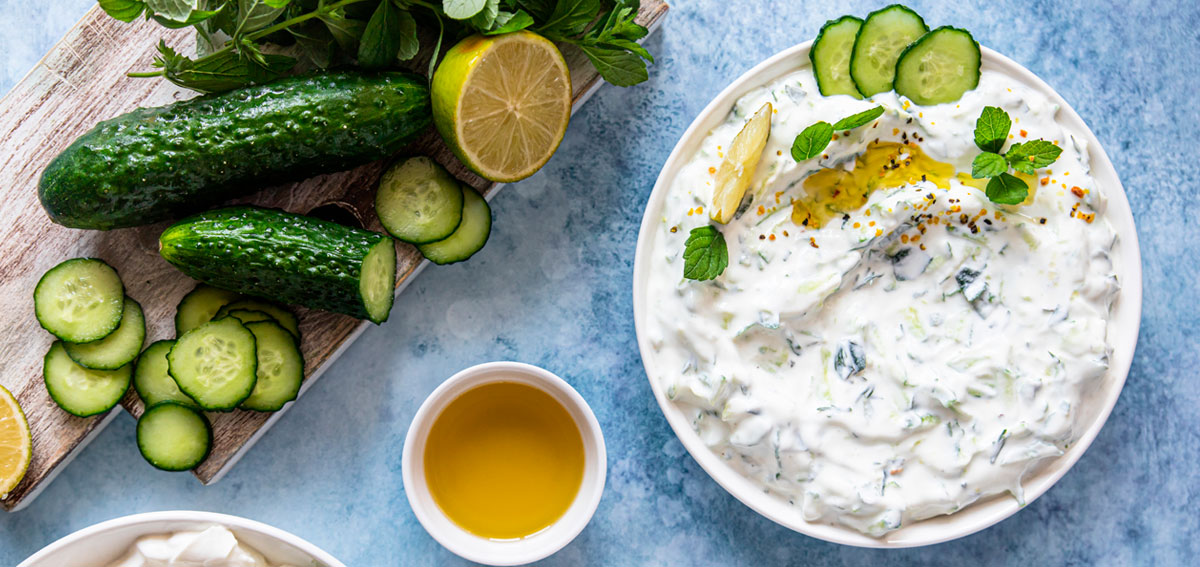
Creamy Cucumber Yogurt Sauce
Cucumber gives Greek yogurt sauce a cool, refreshing flavor. The key to a thick consistency is removing excess moisture from the cucumber before mixing it with the yogurt.
This version is inspired by Mediterranean cucumber-yogurt sauces and is particularly good with grilled fish, chicken, and raw vegetables.
8–10 servings
15 minutes
35–40 minutes
Ingredients
-
1 cup plain, unsweetened Greek yogurt
-
½ medium cucumber, approximately ½ cup grated
-
1 small garlic clove, finely grated
-
1 tablespoon fresh lemon juice
-
1 tablespoon extra-virgin olive oil
-
1 tablespoon chopped fresh dill, optional
-
¼ teaspoon kosher salt, plus a pinch for the cucumber
-
Freshly ground black pepper
Instructions
-
Wash the cucumber and grate it using the large holes of a box grater. Peel it first if the skin is thick or bitter.
-
Sprinkle the grated cucumber with a small pinch of salt and let it stand for 5 minutes.
-
Transfer it to a clean kitchen towel or fine-mesh strainer and squeeze out as much liquid as possible.
-
Combine the Greek yogurt, drained cucumber, garlic, lemon juice, olive oil, and dill in a bowl.
-
Season with salt and black pepper, then mix thoroughly.
-
Cover and refrigerate for 15 minutes before serving.
Kitchen tip: Avoid blending the cucumber into a smooth purée. Grating and draining it preserves a pleasant texture and prevents the sauce from becoming watery.
Best served with: Grilled salmon, chicken skewers, roasted vegetables, pita bread, and salads.
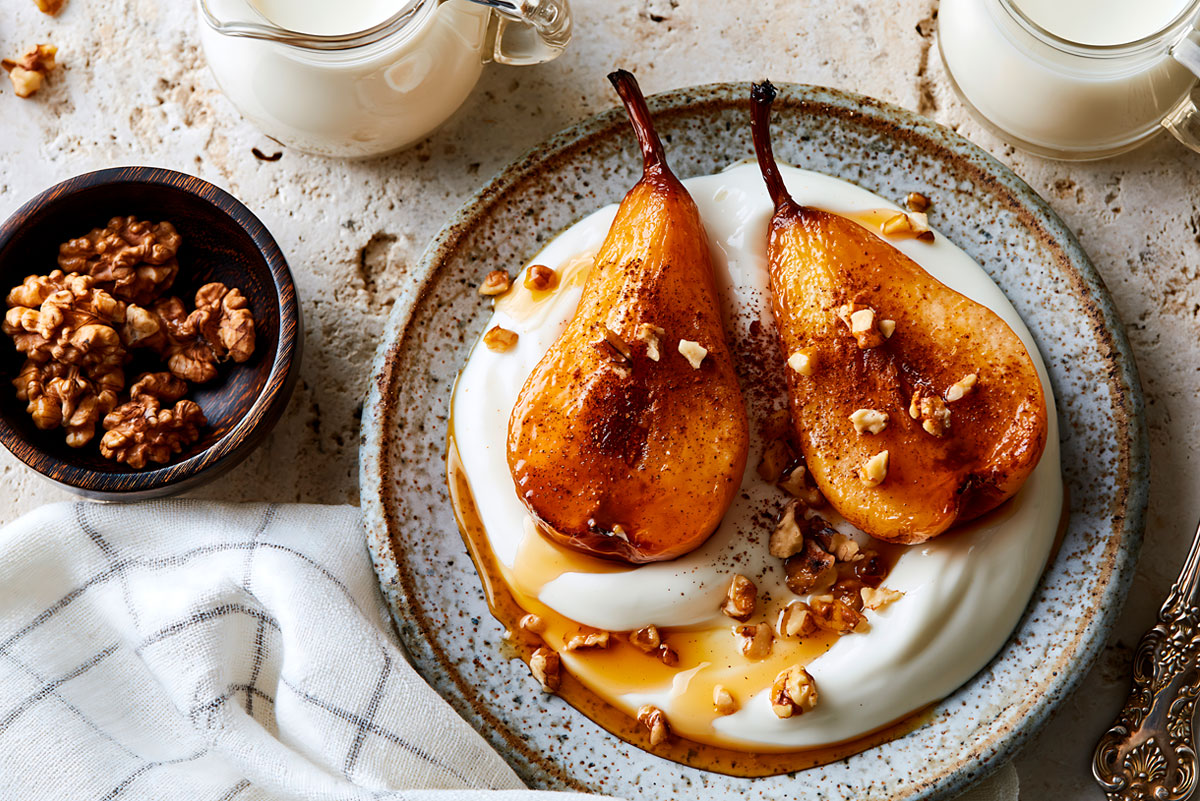
Honey-Baked Pears with Lemon and Almonds
Not every baked dessert needs flour, eggs, or a cake pan. Pears become tender and concentrated in the oven, while honey, lemon, and toasted almonds provide sweetness, acidity, and crunch.
This is also the most forgiving of the three recipes.
4 servings
10 minutes
30–40 minutes
Ingredients
- 4 ripe but firm pears
- 2 tablespoons honey, plus more to serve if desired
- 2 tablespoons fresh lemon juice
- Finely grated zest of 1/2 lemon
- 2 tablespoons extra-virgin olive oil
- 1/2 teaspoon ground cinnamon
- Pinch of fine salt
- 1/3 cup (30 g) sliced almonds
- Plain Greek yogurt, optional, for serving
Directions:
- Heat the oven to 375°F (190°C).
- Halve the pears lengthwise and scoop out the cores with a teaspoon or melon baller.
- Arrange the pears cut side up in an oven-safe baking dish.
- Stir together the honey, lemon juice, lemon zest, olive oil, cinnamon, and salt. Spoon the mixture over the pears.
- Bake for 20 minutes, then spoon some of the juices from the bottom of the dish back over the fruit.
- Continue baking for another 10–20 minutes, depending on the ripeness and variety of the pears. They should be tender when pierced with a knife but still hold their shape.
- Meanwhile, toast the sliced almonds in a dry skillet over medium-low heat, stirring frequently, until lightly golden.
- Serve the pears warm with their baking juices and the toasted almonds. Add a spoonful of plain Greek yogurt if you want a creamy contrast.
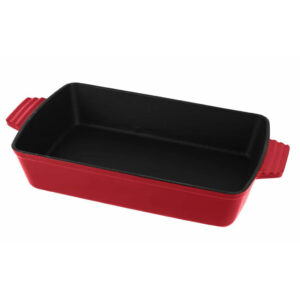
The Magefesa Ferro Cast Iron Baker 13″ is particularly well suited to this kind of dessert because it can go directly into the oven and retains heat well.
⚠️ The mistake to avoidStarting with very soft pears. They can collapse before the cooking juices have had time to concentrate. Choose fruit that is ripe enough to smell fragrant but still feels firm around the neck.
Simple Ways to Bring Mediterranean Flavors Into Your Baking
You don’t need a specialized recipe every time you want these flavors in a dessert. A few techniques can be applied to many familiar cakes and baked fruits.
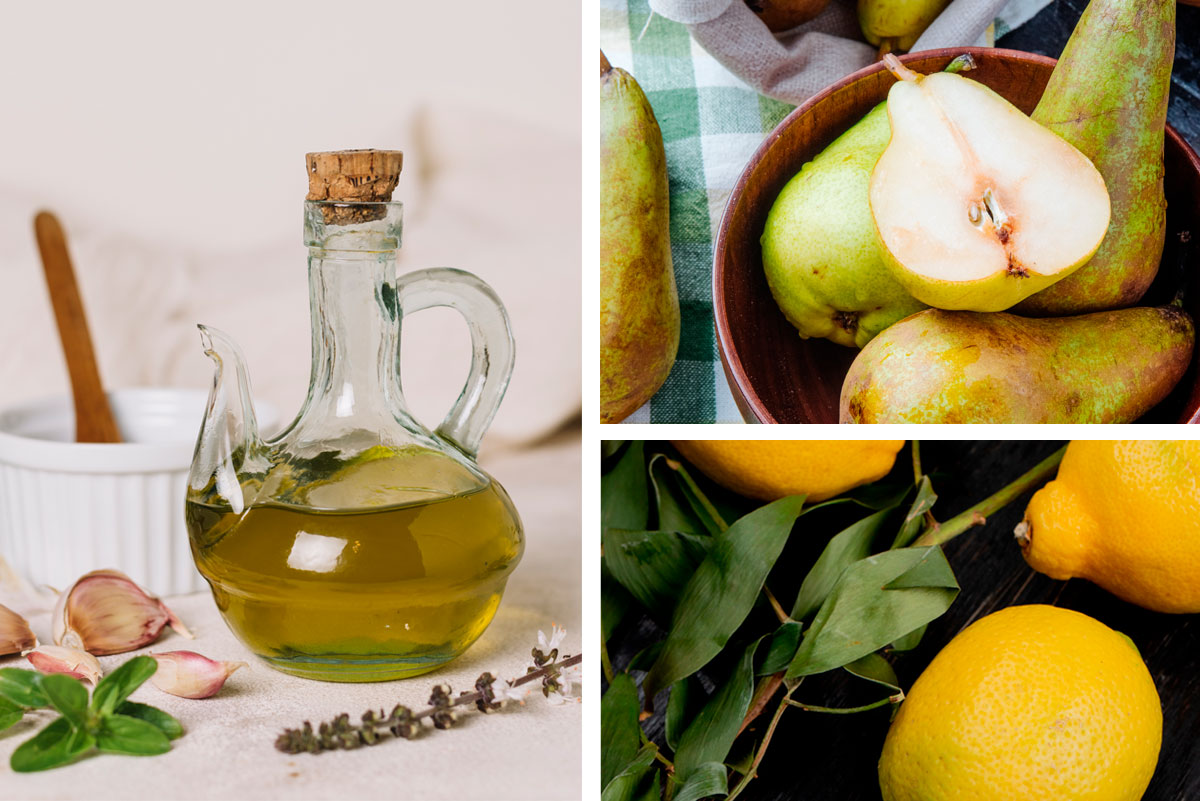
Make the most of citrus Use citrus zest for aroma and juice for acidity; they are not interchangeable. Rub freshly grated zest into sugar before mixing a cake to release more of its aromatic oils.
Choose your olive oil by flavorWhen baking with olive oil, consider the flavor of the oil as carefully as you would its quantity. Mild, fruity oils tend to work well with lemon, orange, yogurt, vanilla, and almonds. More assertive oils can be delicious with chocolate or spice, but may dominate a delicate cake.
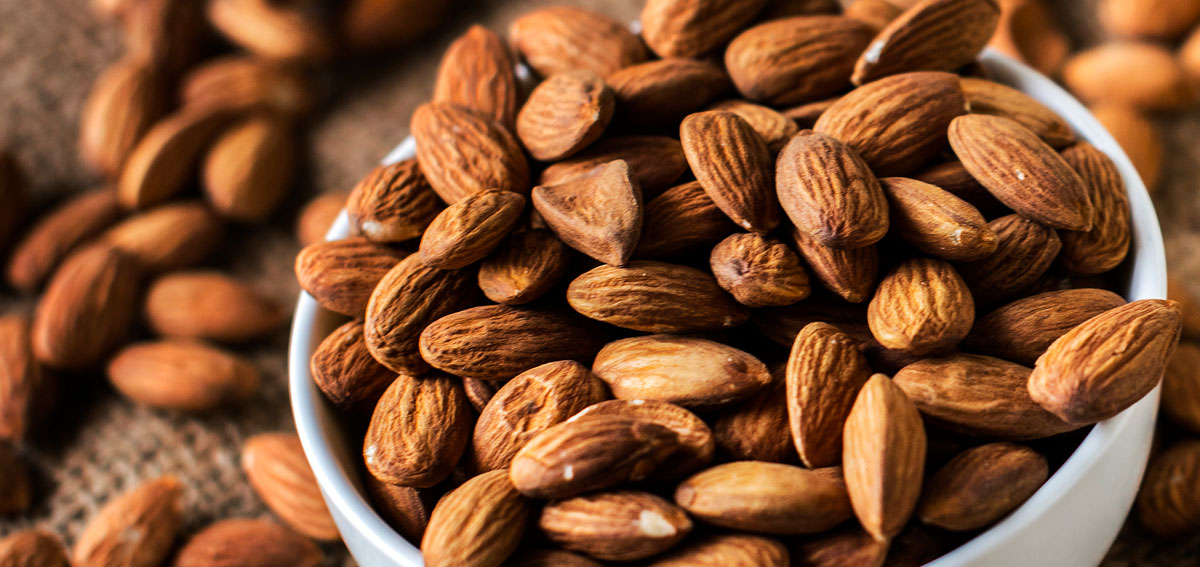
Use almonds two waysGround almonds contribute richness and tenderness inside a cake, while sliced or chopped toasted almonds add contrast at the end.
Let fruit do the work Pears, apples, figs, peaches, apricots, and citrus can become a complete dessert with little more than gentle heat, honey, nuts, yogurt, or spices.
Keep it simpleThe Mediterranean character of a dessert doesn’t come from adding as many regional ingredients as possible. It comes from allowing a few good ingredients to remain recognizable.

Frequently Asked Questions about Mediteranean Baking
Share