Why Choose Pressure Cookers for Better Meals

Rushing through weeknights with a hungry family can leave even the most organized American home cook searching for a faster, tastier way to prepare dinner. The desire for efficiency and flavor has put pressure cookers in the spotlight, offering a unique blend of speed and reliability that stands out from other kitchenware. Highlighting multiple advanced safety features and rapid cooking capabilities, this guide helps you discover how modern pressure cookers can transform everyday meals while keeping safety and taste at the forefront.
Table of Contents
- Pressure Cookers Defined And Common Myths
- Types Of Pressure Cookers And Key Features
- How Pressure Cookers Work For Faster Cooking
- Safety Innovations And Modern Usability
- Comparing Pressure Cookers To Other Methods
- Primary Benefits For U.S. Home Cooks
Key Takeaways
| Point | Details |
|---|---|
| Modern Pressure Cookers are Safe | Today’s pressure cookers come equipped with advanced safety features that effectively eliminate the risks associated with older models. |
| Types of Pressure Cookers | Home cooks can choose between stovetop and electric pressure cookers based on their cooking style and needs. |
| Faster Cooking Method | Pressure cooking significantly reduces cooking times while preserving nutrients and enhancing flavor compared to traditional methods. |
| Financial and Nutritional Benefits | Pressure cookers allow for efficient cooking of inexpensive ingredients, reducing food waste and supporting diverse meal planning. |
Pressure Cookers Defined and Common Myths
A pressure cooker is a specialized cooking vessel designed to cook food faster and more efficiently by creating a high-pressure, sealed cooking environment. Unlike traditional pots and pans, these innovative kitchen tools trap steam and increase cooking temperatures dramatically, transforming how home cooks prepare meals.
Modern pressure cookers are sophisticated kitchen appliances with multiple safety features that address historical misconceptions about their reliability. Unlike early models prone to accidents, today’s pressure cookers include advanced mechanisms that prevent potential risks:
- Dual pressure regulators
- Spring-loaded safety locks
- Automatic pressure release systems
- Robust gasket designs
- Precision temperature controls
Contrary to popular belief, pressure cookers have multiple fail-safes that make them extraordinarily safe for home use. Electric and stovetop models now offer remarkable cooking flexibility, allowing temperatures to reach approximately 250°F and significantly reducing cooking times compared to traditional methods.
The most persistent myth surrounding pressure cookers involves safety concerns stemming from older, less advanced models. Home cooks often imagine dramatic explosions or dangerous cooking scenarios. However, contemporary pressure cookers are engineered with multiple redundant safety mechanisms that virtually eliminate such risks.
Pro tip: Always read your specific pressure cooker’s instruction manual and follow manufacturer guidelines to ensure safe and optimal cooking performance.
Types of Pressure Cookers and Key Features
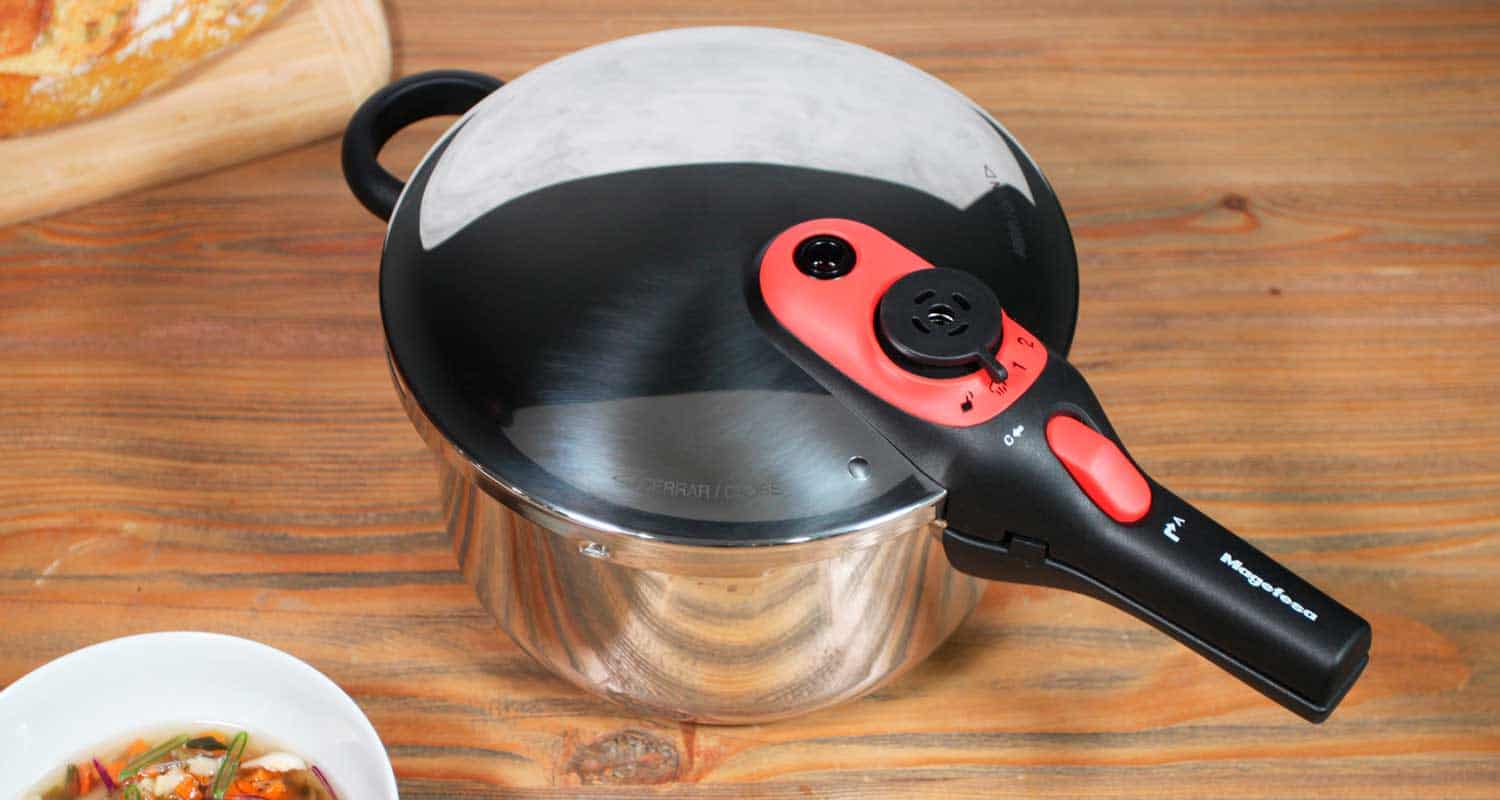
Home cooks have several options when selecting a pressure cooker, with two primary categories dominating the market: stovetop and electric models. Pressure cookers come in multiple configurations designed to meet different cooking needs and preferences.
Stovetop pressure cookers represent the traditional approach to high-pressure cooking. These versatile kitchen tools feature key characteristics:
- Manual pressure control
- Higher maximum pressure capabilities
- Direct heat from stovetop burners
- Typically made from stainless steel or aluminum
- Faster cooking times compared to electric models
- More compact storage requirements
Electric pressure cookers, by contrast, offer advanced technological features that appeal to busy home cooks. These multicookers provide automated cooking functions that simplify meal preparation:
- Programmable cooking settings
- Built-in timers and temperature controls
- Multiple cooking modes (sauté, slow cook, steam)
- Digital displays and preset recipes
- Automatic pressure regulation
- Safety shutdown mechanisms
A third category, pressure canners, exists specifically for food preservation purposes. However, these specialized devices should not be confused with standard cooking pressure cookers, as they serve a distinct purpose in home food processing.
Pro tip: Consider your cooking style, kitchen space, and technical comfort level when selecting between stovetop and electric pressure cooker models.
Here’s a quick comparison of stovetop and electric pressure cookers:
| Aspect | Stovetop Pressure Cooker | Electric Pressure Cooker |
|---|---|---|
| Control Method | Manual heat and pressure | Automated via electronics |
| Cooking Speed | Faster due to higher pressure | Slightly slower, more consistent |
| Usability | Requires experience | User-friendly and convenient |
| Maintenance | Fewer parts, easier to clean | More parts, periodic checks |
| Ideal Users | Traditional cooks | Busy or novice cooks |
How Pressure Cookers Work for Faster Cooking
The science behind pressure cookers reveals a remarkable approach to transforming home cooking. Steam trapped at high temperatures dramatically accelerates the cooking process, allowing home cooks to prepare meals in significantly less time than traditional methods.
At the core of pressure cooking technology are several key scientific principles:
- Increased atmospheric pressure inside the sealed container
- Elevated moisture temperature beyond water’s standard boiling point
- Concentrated heat distribution around food ingredients
- Reduced cooking time through accelerated molecular reactions
- Enhanced flavor retention through sealed environment
- Minimal nutrient loss compared to conventional cooking
Traditional cooking occurs at standard atmospheric pressure, typically around 212°F. In contrast, pressure cookers create an enclosed environment where steam builds up, raising internal temperatures to approximately 250°F. This temperature increase means food molecules vibrate and break down faster, resulting in quicker and more efficient cooking.
The mechanism works through a sophisticated interplay of pressure, temperature, and steam. As heat builds inside the sealed container, pressure increases, which subsequently raises the boiling point of water. This unique environment allows ingredients to cook more rapidly while maintaining moisture and preserving nutritional value.
Pro tip: Always ensure your pressure cooker’s safety valve is clean and functioning to maintain optimal cooking performance and safety.
Safety Innovations and Modern Usability
Modern pressure cookers have transformed dramatically from their early, potentially dangerous predecessors. Third-generation safety mechanisms now provide home cooks with unprecedented protection and peace of mind during meal preparation.
Today’s pressure cookers incorporate multiple advanced safety features designed to prevent accidents and enhance user experience:
- Multiple independent pressure release valves
- Automatic pressure regulation systems
- Digital temperature and pressure monitoring
- Spring-loaded safety locks
- Fail-safe mechanisms preventing lid opening under pressure
- Comprehensive digital control interfaces
Electric pressure cookers include sophisticated safety innovations that dramatically reduce potential risks. These advanced models feature automatic pressure release functions, precise temperature controls, and built-in timers that eliminate many traditional cooking hazards. Unlike older models that required constant manual monitoring, modern pressure cookers essentially manage themselves, providing a safer and more convenient cooking experience.
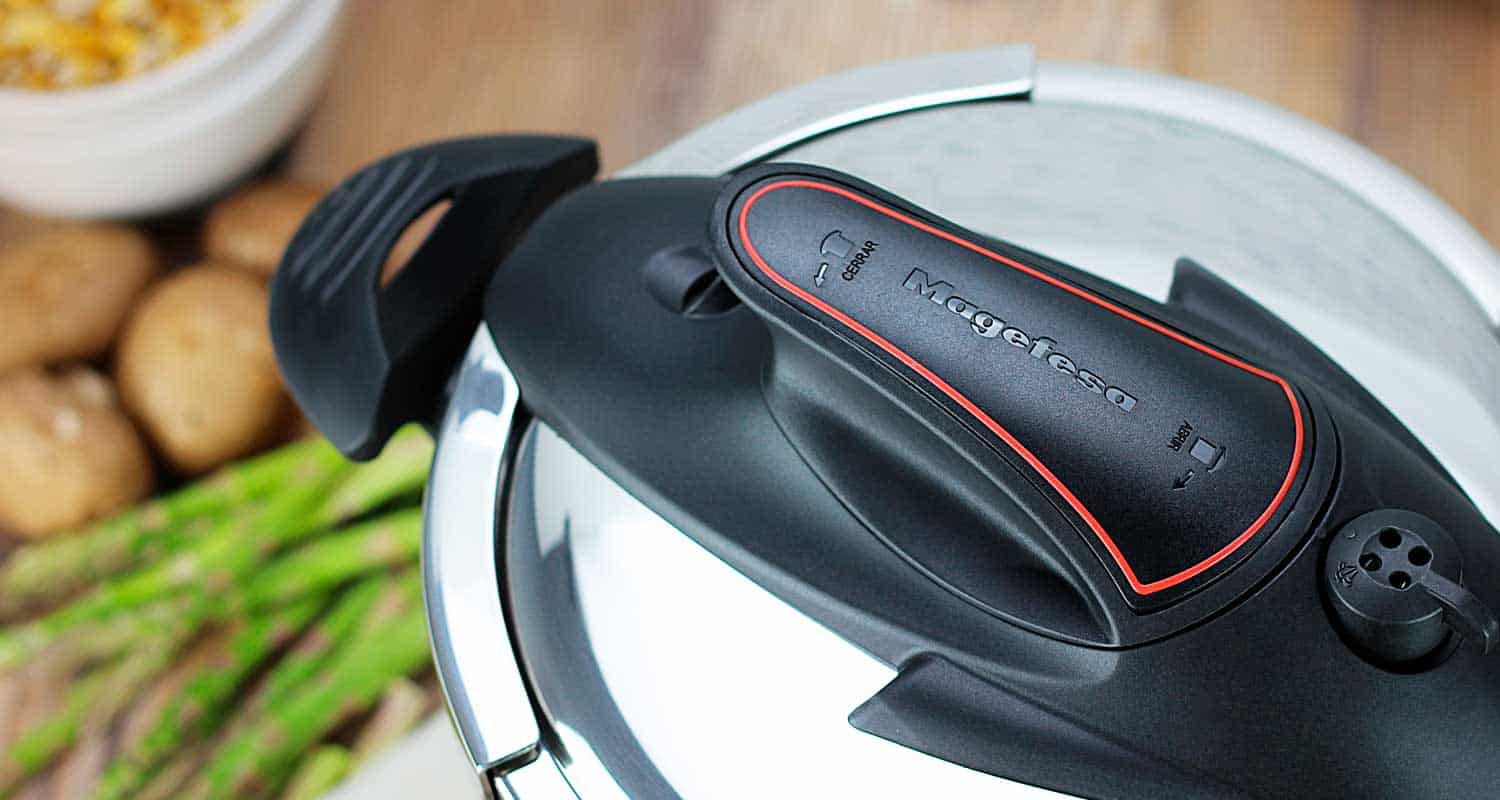
The technological evolution of pressure cookers has effectively addressed historical safety concerns. Manufacturers have integrated redundant safety systems that prevent steam buildup, control internal pressures, and ensure consistent performance. These innovations have transformed pressure cookers from potentially dangerous kitchen tools into reliable, user-friendly appliances that home cooks can confidently use.
Pro tip: Always read your specific pressure cooker’s instruction manual carefully and perform a periodic safety valve inspection to maintain optimal cooking performance and safety.
Comparing Pressure Cookers to Other Methods
Pressure cooking stands out as a revolutionary cooking method that significantly differs from traditional culinary approaches. Cooking techniques vary dramatically in terms of time efficiency, nutrient retention, and overall meal quality.
Comparing pressure cookers to other cooking methods reveals several key advantages:
- Dramatically reduced cooking times
- Higher nutrient retention
- More consistent heat distribution
- Lower energy consumption
- Enhanced flavor preservation
- Minimal moisture loss during cooking
Electric and stovetop pressure cookers offer unique benefits compared to conventional cooking methods. Traditional stovetop cooking typically requires constant monitoring and longer preparation times, whereas pressure cookers generate higher internal temperatures and cook food more efficiently. Electric models provide additional convenience with programmable settings and multi-functional cooking capabilities that standard pots and pans cannot match.
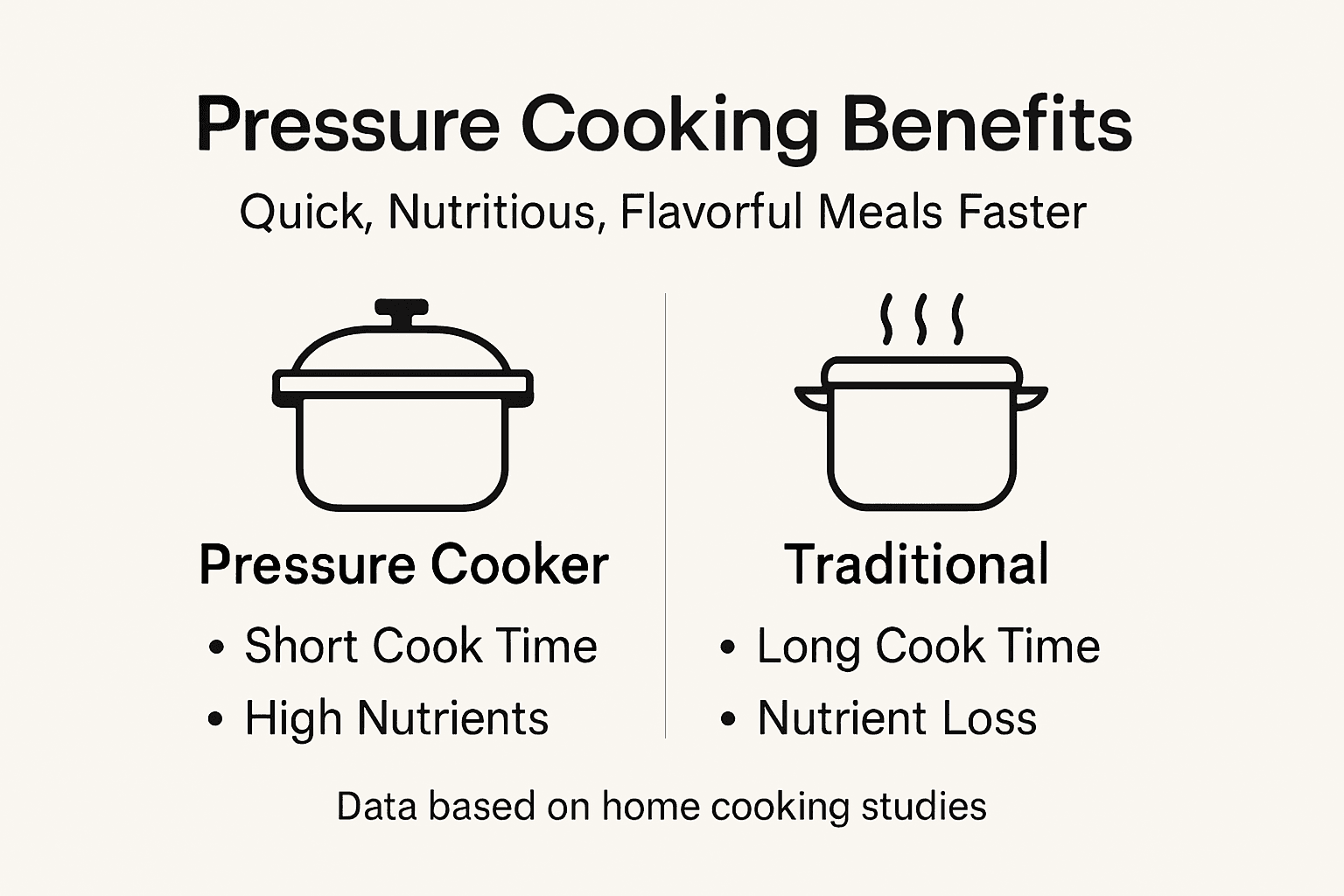
The primary distinctions between pressure cookers and alternative cooking methods lie in their scientific approach to heat transfer. While boiling, steaming, and slow cooking rely on standard temperature ranges, pressure cookers create a sealed environment that increases steam temperature and cooking pressure. This unique mechanism allows for faster cooking, deeper flavor development, and more tender results compared to traditional techniques.
Pro tip: Experiment with converting your favorite traditional recipes to pressure cooker versions by reducing liquid quantities and adjusting cooking times to maximize your culinary efficiency.
The following table summarizes how pressure cooking compares to other popular cooking methods:
| Method | Average Cooking Time | Nutrient Retention | Flavor Development |
|---|---|---|---|
| Pressure Cooker | Shortest | Highest | Enhanced, deeper flavors |
| Boiling | Long | Moderate | Some loss, milder taste |
| Slow Cooking | Longest | Good | Strong, but slower result |
| Steaming | Moderate | High | Preserves fresh flavors |
Primary Benefits for U.S. Home Cooks
Pressure cookers have revolutionized meal preparation for busy American households, offering unprecedented convenience and efficiency. Modern home cooking solutions provide time-strapped families with innovative ways to prepare nutritious meals quickly and easily.
The primary advantages for U.S. home cooks include:
- Dramatically reduced cooking preparation times
- Enhanced nutrient preservation
- More efficient energy consumption
- Ability to tenderize less expensive meat cuts
- Simplified cooking of complex ingredients
- Support for diverse meal planning strategies
- Versatility across multiple recipe types
Pressure cookers transform home meal preparation by addressing multiple culinary challenges simultaneously. They excel at making traditionally difficult ingredients more accessible, turning dried beans, whole grains, and tough meat cuts into tender, flavorful dishes with minimal effort. Electric models particularly shine by offering programmable settings that accommodate varying skill levels and busy lifestyle demands.
Beyond time savings, pressure cookers represent a smart financial strategy for American home cooks. By enabling efficient cooking of less expensive ingredients and supporting batch cooking techniques, these appliances help families reduce food waste, control portion sizes, and maintain nutritional quality without extensive kitchen time or complicated preparation processes.
Pro tip: Start with simple, forgiving recipes when first using a pressure cooker to build confidence and understand its unique cooking dynamics.
Discover the Power of Pressure Cooking with Magefesa USA
The article highlighted how pressure cookers solve everyday kitchen challenges by reducing cooking times, preserving nutrients, and ensuring safety with advanced features. If you want to transform your meal preparation and enjoy tender, flavorful dishes without the hassle, Magefesa USA has the high-quality pressure cooker solutions you need. Designed for American home cooks and culinary enthusiasts who value durability and innovation, our products bring professional-level efficiency and safety into your kitchen.
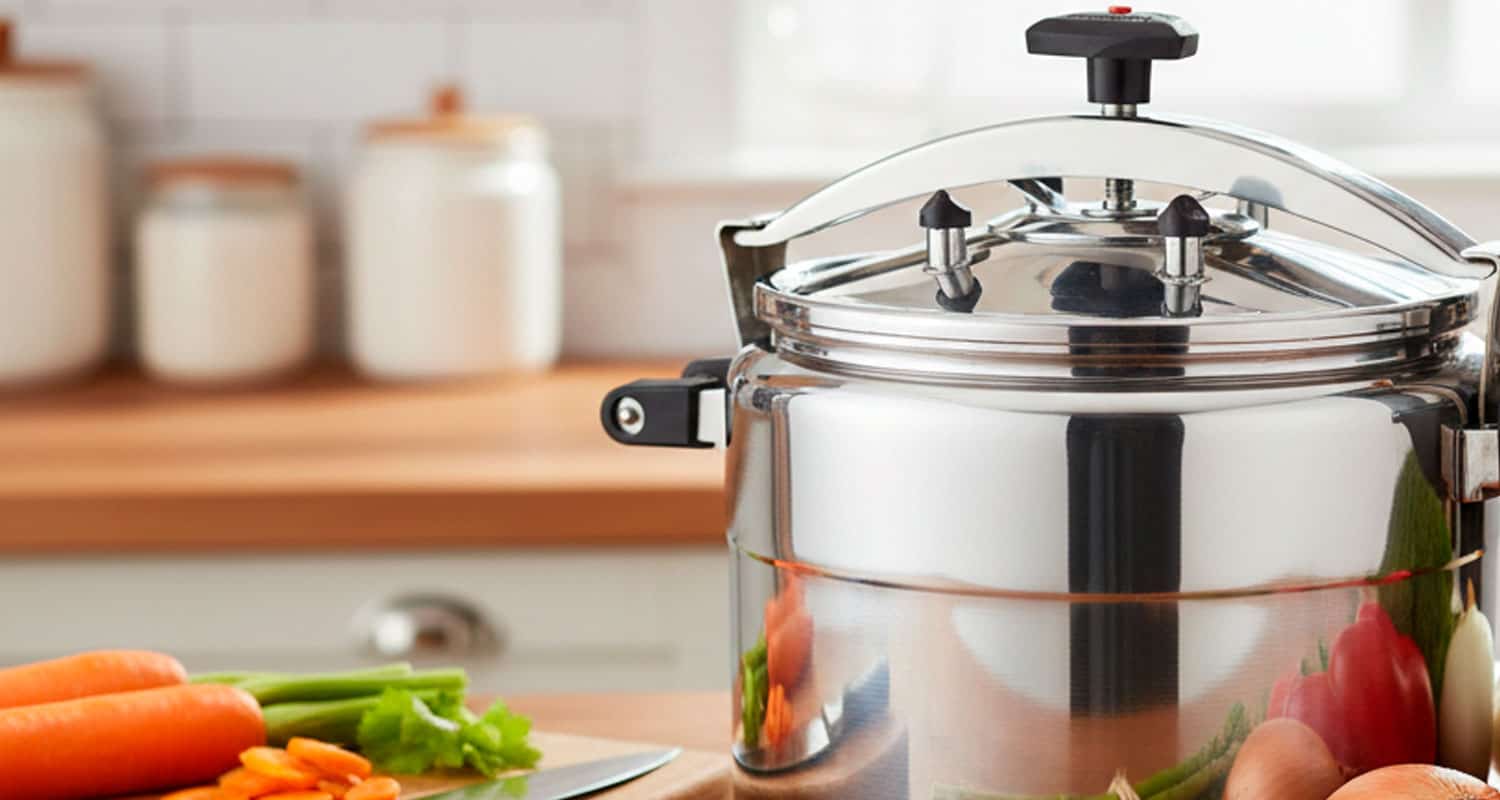
Explore our carefully curated collection of pressure cookers and cookware at Magefesa USA. Take advantage of cutting-edge designs that make cooking faster, safer, and more enjoyable. Don’t wait to elevate your cooking game. Visit Magefesa USA now and choose the pressure cooker that fits your style and needs perfectly. Your next great meal starts here.
Frequently Asked Questions
What are the benefits of using a pressure cooker?
Using a pressure cooker can dramatically reduce cooking preparation times, enhance nutrient preservation, and allow for the tenderizing of less expensive cuts of meat. They simplify complex cooking tasks and support diverse meal planning strategies.
How does a pressure cooker work?
A pressure cooker creates a high-pressure environment that increases the boiling point of water, allowing steam to build and cook food at higher temperatures, resulting in faster cooking times and more flavorful meals.
What types of pressure cookers are available?
There are two primary types of pressure cookers: stovetop and electric. Stovetop pressure cookers offer manual pressure control and higher maximum pressure, while electric pressure cookers provide automated cooking functions and convenience for busy cooks.
Are modern pressure cookers safe to use?
Yes, modern pressure cookers come equipped with multiple safety features, such as automatic pressure release systems, spring-loaded safety locks, and fail-safe mechanisms that prevent accidents and ensure safe cooking.

