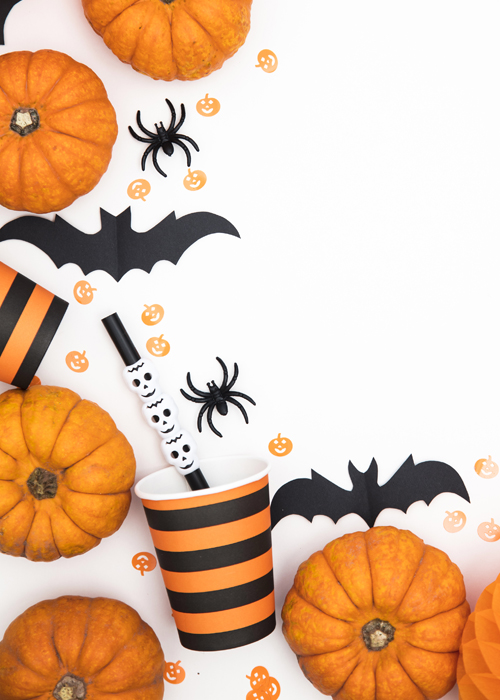
Considering the different sizes, shapes and colors available, selecting the perfect pumpkin for your purpose can be a tough task. The following basic guidelines will help you ease (and enjoy!) the process.
Size and Weight. Depending on what you’re going to be using your pumpkin for, size makes a significant difference. If you want it for carving, then go for Field pumpkins. They are larger and usually have a flat bottom, which comes in handy for making a Jack o’ lantern. And very important, think of a design to carve before you go pumpkin shopping! Some are tall and narrow, while others are short and more rounded. Once you have made up your mind, look for a pumpkin with a shape that best suits your pattern. Another aspect to consider is weight. Pick a pumpkin that is light weight. The heavier the pumpkin, the thicker the walls, making the carving process more difficult.
But not all pumpkins will taste good in a pie. If you are in the hunt of a pumpkin for cooking and baking, you will want the sweetest pumpkins you can find. Smaller, heavier varieties such as ‘Small Sugar Pumpkin’ or ‘New England Pie Pumpkin’ have denser flesh and higher sugar content, making them more suitable for pies, soups, muffins and breads.
Outer Appearance. Whether you are using it for baking or as a hallowing decoration for your porch, stay away from bruised or blemished pumpkins. Inspect the entire pumpkin carefully. The skin should be smooth, firm and free of cuts and scratches. As a decorative display you will want it to last and look nice. A damaged surface is prone to infections, making the pumpkin go to rotten very quickly. A perfectly ripened pumpkin has a firm, resilient skin that does not puncture or scratch easily when pressing on it with a thumbnail. To test for maturity give the pumpkin a gentle slap with your open hand and listen. It should sound hollow.
Color. Although pumpkins can range in color from white to nearly red, depending on the variety, a bright and uniform color ensures ripeness and freshness. Evenly colored pumpkins are also more attractive and they will transfer your design more clearly when used for carving.
Look at the stem. Choose a pumpkin with a stem. This way you can use the top as a lid after the pumpkin is carved. A dry, woody stem is a good indicator the pumpkin has reached maturity. Longer stems also help slowing down the decay process, extending the life of your pumpkin. And remember to always protect your pumpkin from the cold. If a frost is predicted, bring your pumpkins inside!
Compartir:
UNLOCK
10% OFF
YOUR ORDER WHEN YOU SIGN UP FOR EMAIL
[mailpoet_form id="5"]
We have not been able to validate your subscription